What that musty smell in your Fort Pierce home really means
A musty smell in your Fort Pierce home is not just an odor problem. It is a moisture signal. Here is how to find the source before mold spreads.
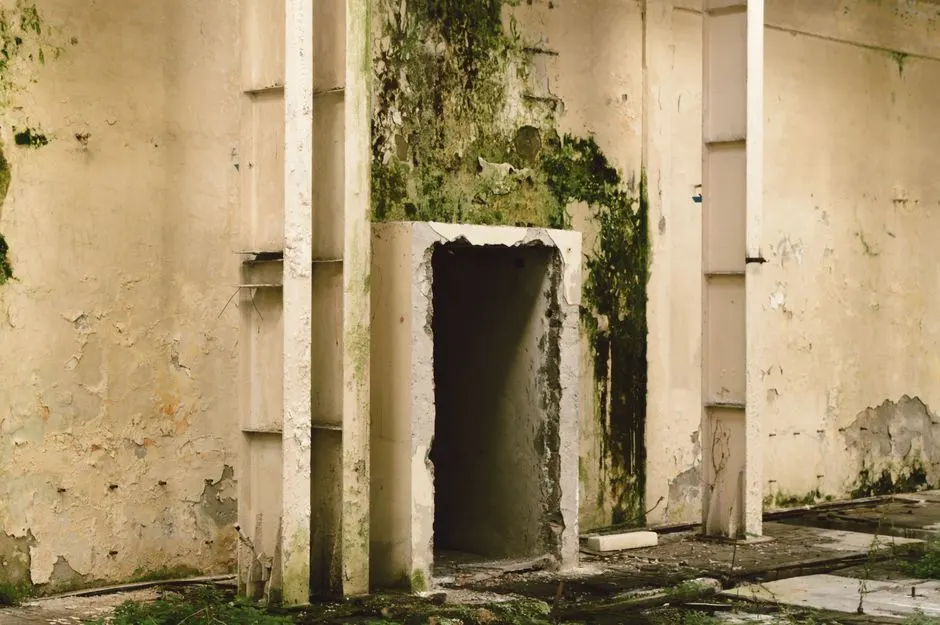
A musty smell in your Fort Pierce home almost always means active mold growth or a hidden moisture source feeding it. The smell is not the problem itself - it is a signal that water is getting into a place it should not be, and something is growing there. That answer holds whether you live in a 1920s bungalow near downtown or a newer build out by the inlet. The rest of this post walks through where the smell comes from, how to track it down, and when it is time to stop guessing and bring in a pro.
The short answer: musty smell means moisture
A musty smell in Fort Pierce home meaning comes down to one thing: mold or mildew is digesting organic material somewhere in your house, and the byproduct of that digestion is a gas you can smell. Mold needs three things to grow - food (drywall paper, wood, carpet backing, dust), a temperature between roughly 60°F and 85°F, and moisture. Fort Pierce gives mold the first two for free almost year-round. The moisture is the variable you can actually control.
That is why we treat the smell as a symptom, not a problem. Spraying air freshener or running a plug-in deodorizer does nothing except mask the signal while the colony keeps expanding behind the wall. If you want the smell gone for good, you have to find and fix the water source first.
If you want a full picture of how we handle this on a typical job, our Black Mold Remediation Fort Pierce FL page walks through the whole process from inspection to clearance.
Why Fort Pierce homes smell musty more often
Fort Pierce sits in one of the most mold-friendly climate zones in the continental United States. Average relative humidity here runs between 70% and 80% for most of the year, and summer dew points regularly sit above 70°F. That means condensation forms on cool surfaces - AC ducts, window frames, tile floors, concrete block walls - for months at a time.
Add in the tropical systems that roll through from June through November, and you get a housing stock that takes on water in ways homeowners do not always see. A slow roof leak above a ceiling can drip for weeks before a stain appears. A pinhole supply line under a kitchen sink can soak the cabinet base for a month before the wood swells.
Older neighborhoods like Lincoln Park and the areas around Orange Avenue have another factor: original construction from the 1950s and 1960s often used paper-faced drywall and untreated framing lumber, both of which mold colonizes faster than modern moisture-resistant materials. We see this pattern constantly on Residential Mold Remediation Fort Pierce FL calls - the smell shows up long before the damage is visible.
What does a musty smell in my Fort Pierce home mean?
What does a musty smell in my Fort Pierce home mean in practical terms? It means you have an active moisture problem that has probably been running for at least one to two weeks. Mold colonies typically become visible around the 48 to 72 hour mark after a water event, but the smell can show up even earlier because volatile organic compounds (VOCs) produced by mold metabolism are airborne.
Different smells point to different problems:
- Earthy, wet-dirt smell - usually mold growing in carpet, padding, or a crawl space.
- Sour, gym-bag smell - often bacteria plus mold in an HVAC system or a wet AC drain pan.
- Sharp, urine-like smell - sometimes cat urine, but in a Florida attic it can also be a strong mold colony on OSB sheathing.
- Chemical or bleach-like smell - usually means someone already tried to clean it and the mold is reacting to the product.
The intensity of the smell does not tell you how bad the mold is. A small colony in a closed closet can smell stronger than a larger one behind drywall. What matters is where it is and whether it is still getting water.
The five most common sources we find
After enough jobs in this county, the sources of musty odor mold Fort Pierce FL homeowners call us about fall into five buckets. Here is what we find most often, ranked by frequency:
- HVAC systems. The evaporator coil, drain pan, and ductwork stay damp for months. A clogged condensate line backs water up into the pan and the cabinet, and mold colonizes the insulation and the coil fins.
- Crawl spaces. Fort Pierce has a lot of pier-and-beam homes with open crawl spaces. Ground moisture wicks up, humidity climbs past 80%, and the floor joists and subfloor start growing mold from underneath.
- Attics. A roof leak, a poorly sealed exhaust fan, or a bath vent that dumps into the attic instead of outside. Attic temps swing 40°F to 130°F, which stresses materials and creates condensation.
- Bathrooms and kitchens. Slow supply-line leaks, failed caulk at tubs and showers, and dishwasher or refrigerator lines that drip behind cabinets.
- Windows and exterior walls. Failed flashing, cracked stucco, or a sliding door that has lost its seal. Water gets in during a rain event and never fully dries.
We handle each of these with a different approach. Attic work, for example, uses different containment and PPE than a bathroom because of the heat and the access. If you suspect the attic, our Attic Mold Remediation Fort Pierce FL service covers the inspection, removal, and treatment of the sheathing and framing.
How to find the source of musty smell in Fort Pierce
How to find source of musty smell Fort Pierce homeowners can do themselves comes down to a process of elimination. You are looking for the room or area where the smell is strongest, then narrowing down from there.
Step 1: Walk the house at the right time
Do this in the late afternoon, when the AC has been running all day and the house is closed up. The smell concentrates when air is not moving. Stand in each room for 30 seconds and note where it is strongest.
Step 2: Check the usual suspects
Open the air handler closet. Look at the drain pan and the insulation around it. Pull the return-air grille and look at the filter slot. If the smell hits you when the AC kicks on, the problem is in the system, not the room.
Step 3: Look for water evidence
You are looking for stains, bubbling paint, warped baseboards, soft drywall, or discolored grout. A $20 moisture meter from a hardware store will tell you if a wall is wet even when it looks dry. Anything above 16% moisture content in drywall is a problem.
Step 4: Check the crawl space and attic
If you have a crawl space, get a flashlight and look at the floor joists and the bottom of the subfloor. White or black fuzz, dark staining, or a strong smell means you have found it. In the attic, look at the roof decking around any penetration - vents, chimneys, plumbing stacks.
If you cannot pin it down after an hour of looking, that is normal. Hidden mold smell Fort Pierce FL cases often sit inside wall cavities or above ceiling tiles where you cannot see them without opening the assembly. That is when a professional moisture survey and air sampling make sense. Our Mold Inspection and Testing Fort Pierce FL service uses thermal imaging and lab-analyzed air samples to locate the source without tearing the house apart.
Musty smell but no visible mold? Here is why
Musty smell but no visible mold Fort Pierce FL situations are the most common reason people call us. There are three explanations, and all three are worth taking seriously.
First, the mold is inside a wall cavity, above a ceiling, or under flooring. You cannot see it because it is behind a surface. Second, the mold is in the HVAC system - on the coil, in the duct liner, or in the drain pan. Third, the colony is small enough that it has not produced visible growth yet but is already producing odor compounds.
In all three cases, the fix is the same: find the moisture, remove the mold, and dry the assembly. If you have had a roof leak, a plumbing failure, or a storm intrusion in the last 12 months, that history is a strong clue. We see a lot of this after tropical systems, and our Water Damage Restoration Fort Pierce FL team often ends up coordinating with our mold crew on the same property.
Common mistakes homeowners make
The mistakes we see most often on musty odor calls actually make the problem worse or hide it until the damage is expensive.
- Bleaching the surface. Household bleach kills mold on non-porous surfaces but does not penetrate drywall, wood, or grout. The colony regrows within weeks.
- Running a fan without fixing the water. Air movement dries the surface but does not stop the source. You just spread spores to other rooms.
- Painting over stained drywall. Paint traps moisture and the mold keeps eating the paper behind it. The stain comes back through within a season.
- Ignoring the HVAC. If the system is contaminated, every time the AC runs it re-seeds the house. You can clean a room ten times and still smell it.
- Assuming a dehumidifier alone will fix it. A dehumidifier helps control humidity, but it does not remove an established colony or repair the water intrusion that started it.
One more: do not trust a $15 home test kit to tell you the species. Those kits can confirm mold is present, but they cannot tell you where it is coming from or how much of the house is affected. Lab-based air sampling with a control sample from outside is the only way to get a defensible answer.
When to call a professional
Call a professional when the smell comes back after you clean, when you cannot find the source within an hour, or when the affected area is larger than roughly 10 square feet. Those are the thresholds where DIY cleaning stops being effective and starts spreading contamination.
We also recommend a professional inspection any time the musty smell follows a known water event - a burst pipe, a roof leak, a storm surge, or a slow drip you just discovered. Mold can establish itself in 48 to 72 hours, and the first sign is often the odor, not visible growth.
CoveGuard Mold Solutions handles the full scope: we find the moisture, remove the mold, treat the surfaces, and verify the air is clean before we close the job. We work directly with homeowners and property managers across St. Lucie County, and we document everything for insurance if the cause was a covered event.
Frequently Asked Questions
What does a musty smell in my Fort Pierce home mean?
It means active mold or mildew growth somewhere in the house, usually fed by a hidden moisture source. The smell is caused by microbial volatile organic compounds released as mold digests organic material. In Fort Pierce, the most common sources are HVAC systems, crawl spaces, attics, and slow plumbing leaks.
Can musty smell be mold in Fort Pierce FL?
Yes. In this climate, a persistent musty smell is mold until proven otherwise. Mold needs humidity above roughly 60% and a food source, both of which are common in Fort Pierce homes. If the smell is strongest in one room or when the AC runs, that is a strong indicator of an active colony.
How do I find the source of musty smell in Fort Pierce?
Walk the house in the late afternoon with the AC running and note where the smell is strongest. Check the air handler, drain pan, and return grille first. Then use a moisture meter on walls and baseboards, and inspect the crawl space and attic. If you cannot find it in an hour, call for a professional moisture survey.
Does musty smell always mean black mold in Fort Pierce?
No. Musty odor can come from many mold species, including Cladosporium, Penicillium, and Aspergillus, not just Stachybotrys (black mold). The species matters less than the moisture source. Any mold colony in your home needs to be removed and the water problem corrected.
How do I get rid of musty smell in Fort Pierce?
You have to remove the mold and fix the moisture, not just treat the air. That means locating the water source, removing contaminated materials, treating the surfaces with an antimicrobial, and drying the area. In HVAC cases, the system itself needs cleaning. Expect a professional job to take one to three days depending on scope.
Get help with Black Mold Remediation in Fort Pierce
If the musty smell in your Fort Pierce home has been there for more than a week, the odds are good that mold is already established somewhere you cannot see. We can find it, remove it, and verify the air is clean. Call CoveGuard Mold Solutions at (772) 477-0320 to schedule an inspection.