Focused arrival windows
Useful updates and clear arrival timing.
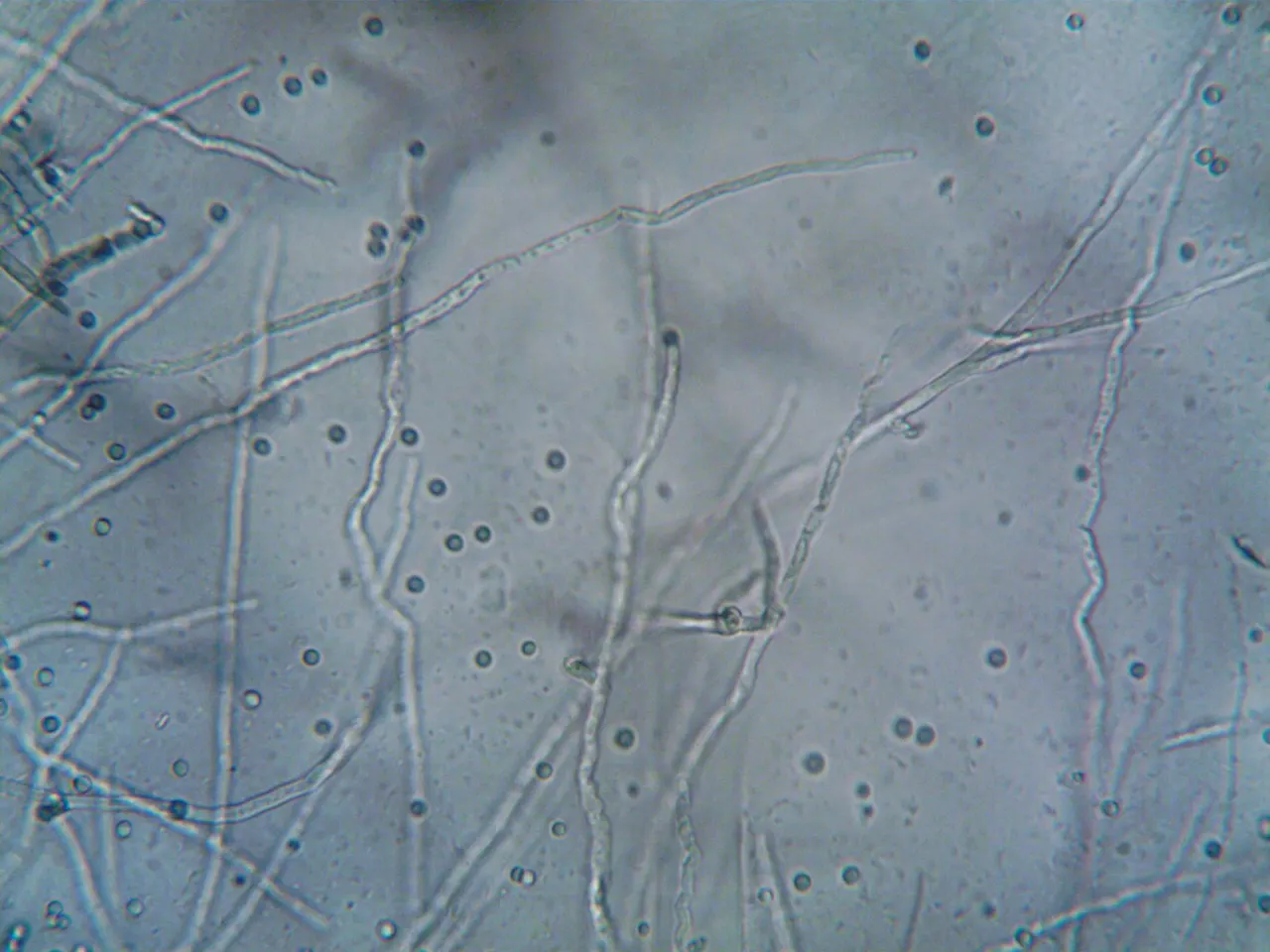
Black Mold Remediation in Hutchinson Island South means pulling mold out of salt-air condos, resort rentals, and stilt homes before it spreads through the walls. We run moisture meters and thermal imaging cameras, set negative air machines, and treat every affected cavity with antimicrobial spray. One call to (772) 477-0320 gets a licensed crew on the island the same day.
Useful updates and clear arrival timing.
Review the approach and price before deciding.
Equipped vehicles and respectful cleanup.
Neighbors serving neighbors with follow-through.
Black Mold Remediation in Hutchinson Island South is the removal, treatment, and clearance testing of toxic mold growth inside homes, condos, and commercial buildings on the island. We work 34949 every week, from the condo towers near Hutchinson Island South Beach to the canal-front stilt homes off South Hutchinson Island. Coastal humidity here sits above 70 percent most of the year, and that alone keeps building materials wet enough for black mold growth to start in 24 to 48 hours after any leak. Salt air corrosion eats through pipe fittings and AC drain pans, so slow drips behind drywall are common. We use moisture meters, thermal imaging cameras, and a boroscope inspection camera to find hidden mold behind drywall and under tile before it reaches the living space. As a Hutchinson Island South mold remediation company FL homeowners and property managers call back, we handle everything from a single bathroom to a full resort building. Our technicians hold IICRC AMRT and WRT credentials, and we follow the IICRC S520 standard on every job.
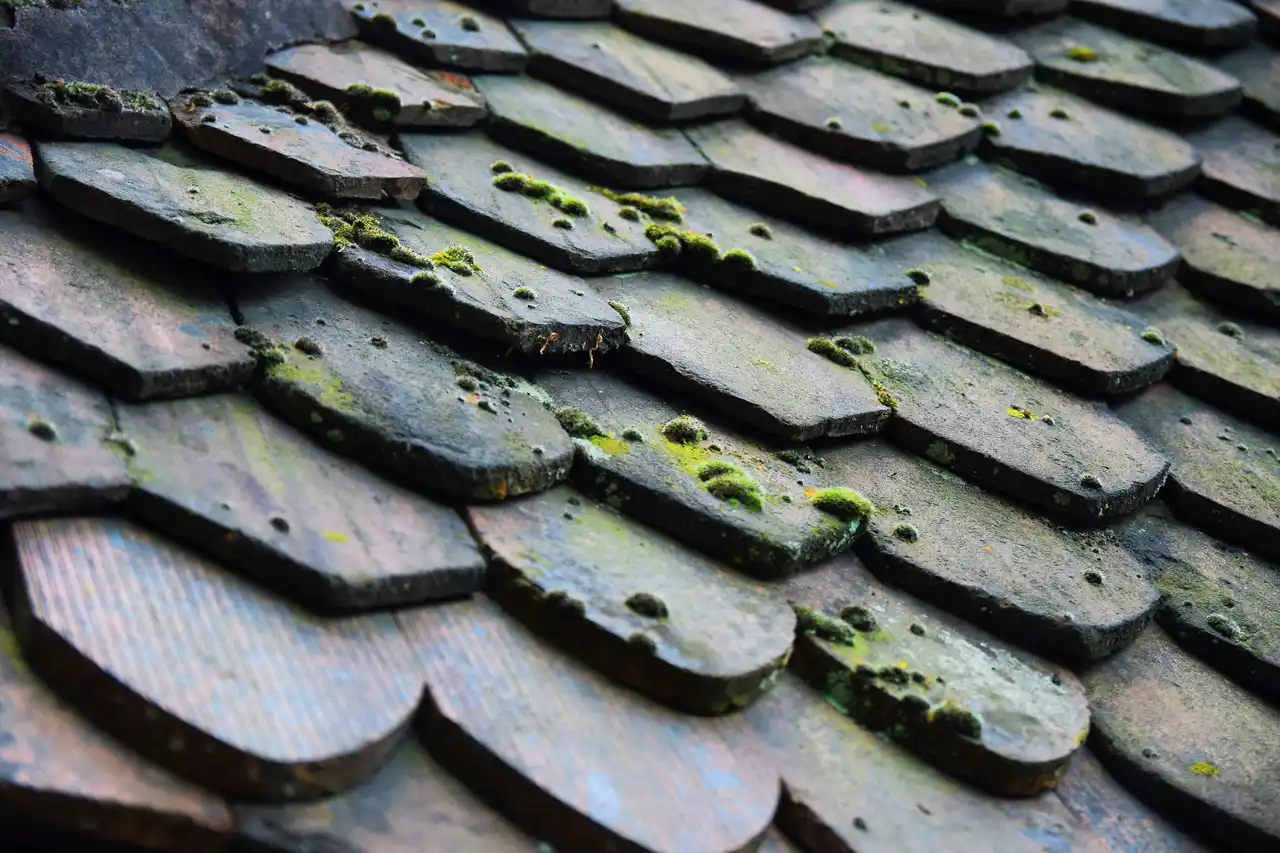
Island buildings fail differently than inland ones. Salt air corrosion, storm surge, and year-round humidity push water into places a standard inspection misses. If you have been searching for Black Mold Remediation in Hutchinson Island South FL near me, we cover the whole island, from Nettles Island to the beachside towers. Every job starts with a real inspection, not a guess.
Full removal of black mold growth from walls, ceilings, and framing in Hutchinson Island South homes and condos. We contain the work zone with plastic sheeting, run negative air machines with HEPA filters, and remove contaminated material instead of painting over it. Every job ends with antimicrobial spray and clearance testing.
View service →02We inspect Hutchinson Island South units with moisture meters, thermal imaging cameras, and a boroscope inspection camera to find hidden mold behind drywall and inside wall cavities. Air and surface samples go to a third-party lab, and you get a written report you can hand to your HOA or insurer.
View service →03Physical removal of mold-damaged drywall, insulation, and trim, followed by HEPA vacuuming and surface treatment. In island condos we coordinate with building management on elevator use and debris removal so the hallway stays clean and the neighbors stay undisturbed.
View service →04Storm surge and burst supply lines do not wait for business hours. Our crew responds 24/7 across Hutchinson Island South, sets containment, and starts drying the same night. Getting air movers and a dehumidifier running within hours is what keeps a small flood from becoming a full gut.
View service →05Single-family homes, stilt houses, and townhomes on South Hutchinson Island get the same process: find the moisture source, contain, remove, treat, verify. We pay attention to the lower levels and crawl spaces that stay damp because of the water table and coastal humidity.
View service →06Resorts, restaurants, and rental offices on Hutchinson Island South need mold work done without closing for a week. We phase the job, work nights when needed, and keep containment tight so guests and staff stay clear. Documentation is built for insurance and health inspections.
View service →07Island attics cook in summer and pull humid air through every vent. That combination grows mold on roof sheathing and truss lumber fast. We treat the framing with antimicrobial spray, correct the ventilation, and add a vapor barrier where it belongs.
View service →08Below-grade rooms on Hutchinson Island South sit close to a high water table. We remove mold from block walls and framing, seal the masonry, and install a vapor barrier and dehumidifier so the space stays dry through the wet season.
View service →09Crawl spaces under island homes trap ground moisture and grow mold on joists and subfloor. We remove the growth, treat the wood, and install an encapsulation vapor barrier with a sealed dehumidifier to stop it from coming back.
View service →Every job on the island starts the same way: find the water, then deal with the mold. We walk the unit with a moisture meter and thermal imaging camera, check the AC drain pan and supply lines, and use a boroscope inspection camera inside wall cavities. Once we know the scope, we build containment with plastic sheeting and duct tape, set a negative air machine with HEPA filters, and put the crew in personal protective equipment. Removal comes next, then antimicrobial spray, then drying with air movers and a dehumidifier. If you need 24/7 mold removal Hutchinson Island South FL, we answer the phone at 2 a.m. and roll a truck. Scheduling around HOA rules, elevator reservations, and seasonal rental turnovers is part of the job here, and we plan for it before we arrive.
Building materials stay damp long after a leak is fixed, so mold can start within 24 to 48 hours. Drying alone is not enough on the island; we have to treat and verify. We run dehumidifiers and air movers until moisture readings match dry standard, then treat every cavity with antimicrobial spray. We log readings daily so you can see the building actually drying, not just feel like it is.
Salt water soaks drywall, insulation, and cabinetry, and the damage is often worse than it looks on the surface. Contaminated material has to come out, not dry in place. We cut drywall to the flood line, remove saturated insulation, and treat the framing. Then we dry the structure, rebuild with mold-resistant drywall, and document everything for your flood or wind claim.
Corroded fittings and rusted drain pans leak slowly behind walls and above ceilings, feeding hidden mold for months before anyone notices a stain. We trace leaks with thermal imaging and moisture meters, repair or replace the failed fitting, and only then start remediation. Fixing the source first is what keeps the mold from coming back.
Florida requires a state license to perform mold assessment and remediation for pay. We hold the MRSA license, so the work and the documentation meet state requirements your HOA or insurer may ask to see.
S520 sets the industry standard for containment, removal, and verification. Following it means our process holds up when a third-party inspector or adjuster reviews the job.
When mold removal turns into drywall, framing, or electrical repair, permits come into play. We pull the right permits and coordinate inspections so the rebuild is code-correct.
Island buildings face a specific set of conditions: high humidity, salt air, storm surge, and long vacancy periods. Those conditions drive the mold problems we see most. Understanding why they happen is the first step toward fixing them for good.
When the AC is shut off, indoor humidity climbs past 70 percent within days. Carpet, upholstery, and interior drywall absorb that moisture, and mold grows on the surfaces nobody is there to notice. We remove the growth, treat the surfaces, and set up a dehumidifier with a humidity monitor. We also give owners a simple off-season checklist so the unit stays dry while they are away.
Salt air corrosion eats pipe fittings and AC drain pans. The resulting drip is small enough to go unnoticed for months while mold grows inside the wall cavity. We use thermal imaging and a boroscope inspection camera to find the leak and the mold before opening anything unnecessary. Then we repair the source, remove the affected drywall, and treat the framing.
The water table on Hutchinson Island South sits high, and ground moisture rises into the crawl space year-round. Joists and subfloor stay damp, and mold grows on the wood within weeks. We remove the mold, treat the wood, and install an encapsulation vapor barrier tied to a sealed dehumidifier. That combination keeps the crawl space dry instead of just cleaning it once.
Air handlers in island condos run almost year-round and pull in humid outside air. The coils and drain pan stay wet, and mold grows inside the system, then gets pushed into every room. We clean the air handler, coils, and ductwork, replace the HEPA filters, and treat the system with antimicrobial products. Fixing the drain and airflow keeps it from coming back.
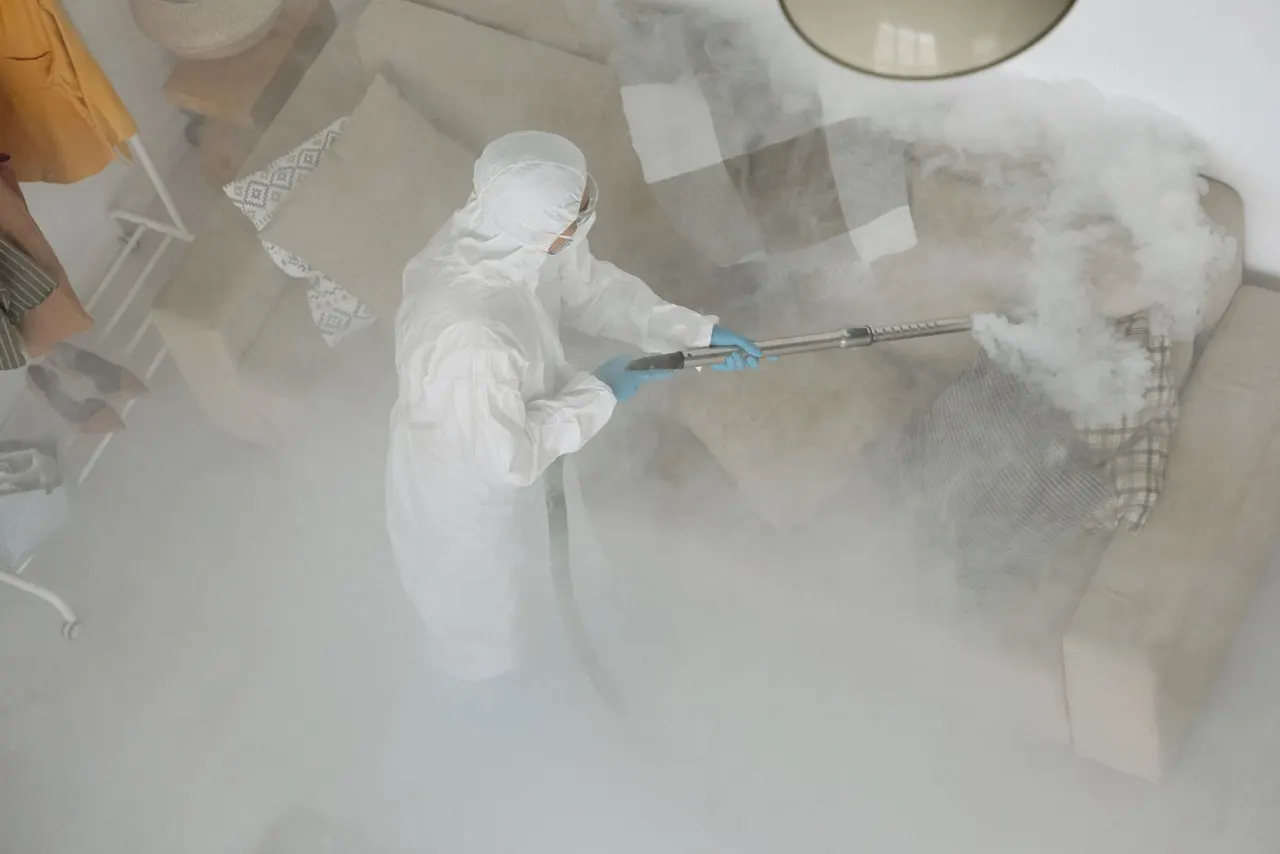
Typical 2026 pricing for mold work in Hutchinson Island South runs from about $1,200 for a single bathroom or closet up to $12,000 or more for a full condo or commercial space. Most island jobs land between $2,500 and $6,000. What drives the number is how far the mold spread, how much material has to come out, and whether the source was a one-time leak or ongoing humidity. Condo work adds cost because of containment in shared buildings, elevator scheduling, and debris handling. Crawl space encapsulation with a dehumidifier typically runs $3,000 to $8,000 depending on square footage. If you want affordable mold removal in Hutchinson Island South, ask for a written scope with the moisture readings and lab results attached. We give you that before any work starts.
A single bathroom is a one-day job. A whole condo with mold in multiple rooms takes longer, uses more containment, and generates more disposal. We measure the affected area during inspection so the estimate reflects the real scope.
Surface mold on framing can be treated. Saturated drywall, insulation, and carpet have to be removed and replaced, which adds labor and material cost. On the island, storm surge and long-vacant units usually mean more removal.
Condo towers and gated communities on Hutchinson Island South require elevator reservations, protection of common areas, and specific work hours. That coordination adds time, and we build it into the quote instead of surprising you later.
Hutchinson Island South runs along a single main road, so orientation is simple once you know the landmarks. We route crews by the Fort Pierce Inlet bridge, Hutchinson Island South Beach, and the Nettles Island entrance, which keeps drive time short and lets us tell you exactly when we will arrive. If you are directing us to a specific unit, mention the nearest landmark and we will find it.
The inlet and its bridge are the main access point onto the island from Fort Pierce. We use it to route crews and estimate arrival times for addresses on the south end.
The beach and its public access points mark the ocean side of the island. It helps us confirm which side of the main road an address sits on and which cross street to turn at.
Nettles Island is a large gated community with its own entrance and internal road network. Knowing the gate location lets us coordinate access with the HOA before we arrive.
A small stretch of restaurants, shops, and rental offices serving beach visitors and residents. Commercial mold work here has to be phased around business hours and guest traffic.
The primary vehicle route onto Hutchinson Island South from Fort Pierce. Crews cross here for nearly every island call.
Hutchinson Island South is not one uniform place. A beachside condo tower, a canal-front stilt home, and a gated island community each have different moisture problems and different access rules. Here is how we work across the areas we cover most.
Mostly single-family homes, stilt houses, and low-rise condos close to the beach. Salt air corrosion and wind-driven rain push water into roof decks and window frames, and the crawl spaces under stilt homes stay damp from the water table. We cross the Fort Pierce Inlet bridge and reach most South Hutchinson Island addresses in 20 to 30 minutes.
A large gated community of manufactured and modular homes with tight lot spacing and shared utility runs. Humidity builds under the homes, and a leak in one unit often shows up as mold in the next. HOA rules govern how crews access and stage equipment. We schedule Nettles Island work through the gate, usually arriving within 30 minutes of dispatch.
The beachside stretch of condo towers and resort rentals. Units sit closed during the off-season, AC gets shut down, and indoor humidity climbs until mold grows on carpet, furniture, and interior walls. Beachside towers are a short run from our island staging point, with same-day response most weekdays.
Properties near the inlet see the strongest salt air and wind-driven rain on the island. Window frames, exterior doors, and roof penetrations are the usual entry points for water that ends up feeding hidden mold behind drywall. The inlet corridor is our first stop coming onto the island, so response is typically under 25 minutes.
These are the kinds of calls we run on the island every month. Names and exact addresses stay private, but the problems, the process, and the results are real.
A beachside condo sat empty from May to October with the AC off. The owner returned to find mold across the carpet, sofa, and interior wall of the living room. We contained the living area, removed the contaminated carpet and pad, HEPA vacuumed the subfloor, and treated the walls with antimicrobial spray. A commercial dehumidifier ran for three days until moisture readings matched dry standard, and we installed a humidity monitor for the off-season. Clearance testing came back clean on the first pass. The owner now runs a dehumidifier set to 50 percent whenever the unit is vacant.
A stilt home on the south end had a musty smell in the lower level and mold on the crawl space joists. The ground under the house stayed wet from the water table. We removed the mold from the joists and subfloor, treated the wood, and installed a full encapsulation vapor barrier with a sealed dehumidifier. Seams were overlapped and taped, and the barrier was fitted around every pier and pipe penetration. Moisture readings in the crawl space dropped from 22 percent to under 12 percent, and the musty odor cleared within a week.
A Nettles Island manufactured home had mold behind the bathroom drywall after a slow supply line leak went unnoticed for months. We traced the leak with a moisture meter and thermal imaging camera, repaired the fitting, then cut out the mold-damaged drywall. The framing was treated with antimicrobial spray, and we rebuilt with mold-resistant drywall and a new exhaust fan vented outside. The repair passed third-party clearance testing, and the homeowner filed the documentation with a successful insurance claim.
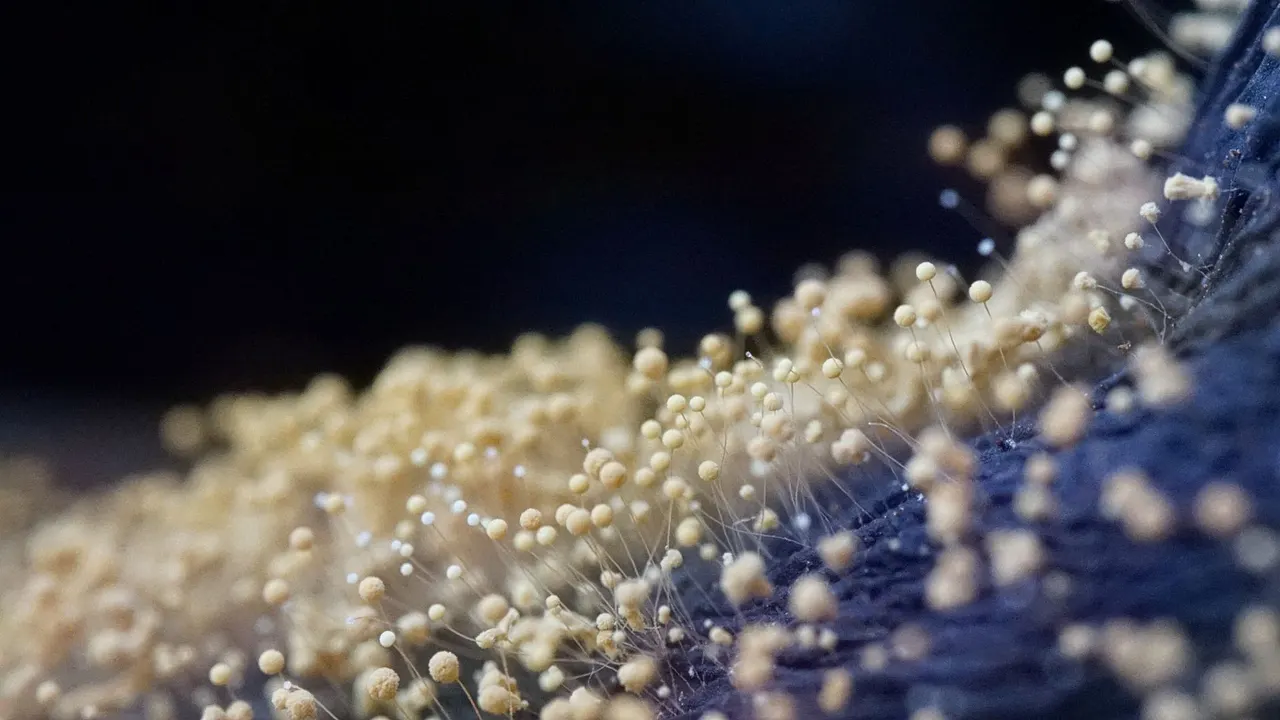
Our condo sat closed all summer and came back with mold on the carpet and one wall. They contained the room, pulled the carpet, treated everything, and ran a dehumidifier for days. They also set us up so it will not happen again next off-season. Straight answers, no upselling.
Called at 11 p.m. after a supply line let go under the kitchen sink. A crew was at the house within the hour, set containment, and started drying. They found mold behind the cabinet base the next morning and handled it in the same visit. Fair price and they documented everything for our claim.
We manage several rentals on the island and use them for every turnover issue. They know the buildings, they work around guest check-ins, and the clearance reports are always in order. The crawl space encapsulation on one unit solved a damp smell we had been chasing for two years.
Hutchinson Island South has two real seasons for mold work: the humid stretch from late spring through fall, and the drier winter months when snowbird units sit empty. Each one brings its own problems, and knowing what to expect helps you stay ahead of them.
Humidity climbs fast in April and May, and AC systems that sat idle all winter restart with wet coils and clogged drain lines. We see a spike in musty odors and mold growth in units that were closed up.
This is peak mold season on the island. Indoor humidity stays high, AC systems run constantly, and any slow leak turns into visible growth within days. Storm season also starts, bringing wind-driven rain and the first surge threats.
Snowbird units start closing up, and that is when off-season mold begins. We get calls in October and November from owners who shut the AC off and came back to a musty unit weeks later.
Temperatures drop enough that some owners turn off cooling altogether, and closed units stay humid. Roof and window leaks from winter storms also feed hidden mold behind drywall and in attics.
Hutchinson Island South is part of a service region we cover from Fort Pierce down the Treasure Coast. If you are on the island or just across the bridge, the same crew and the same process apply. Here is how the surrounding areas connect to our island work.
Just across the inlet bridge, our home base and the fastest supply run for island jobs.
Local coverage and details
Inland from the island, we serve Lincoln Park homes with the same crews that work Hutchinson Island South.
Local coverage and details
A short drive from the inlet bridge, with older buildings that share the same humidity problems.
Local coverage and detailsAdjacent beachside area with similar condo and rental stock and the same coastal mold pressure.
Local coverage and detailsMold work on the island attracts a lot of out-of-town crews after every storm. Some are good, some are not. These five questions will tell you quickly which one you are talking to, and any reputable contractor will answer them without hesitation.
Florida requires a Mold-Related Services license to perform mold assessment and remediation for pay. Ask for the license type and a certificate of insurance. An unlicensed crew can leave you with a failed inspection and no recourse.
Removing mold without fixing the leak is a waste of money. A good contractor traces the moisture with meters and thermal imaging before quoting removal. If they skip that step, the mold comes back.
Clearance testing by an independent lab is how you know the job actually worked. It also gives you documentation for your HOA, your insurer, or a future home sale. Contractors who test their own work are grading their own paper.
In a condo or shared building, containment matters. Ask how they will seal the work zone, whether they use negative air machines with HEPA filters, and how they will protect hallways and elevators during the job.
A real scope lists the affected areas, the moisture readings, the removal plan, the treatment products, and the verification step. If you get a one-line quote with a lump sum, you have no way to compare it or hold anyone to it.
IICRC
IICRC
American Council for Accredited Certification
$2M general liability plus pollution and mold liability
Member
Vendor Member
Most island jobs run $2,500 to $6,000 in 2026, with small bathroom or closet jobs starting around $1,200 and full condo remediations reaching $12,000. Crawl space encapsulation with a dehumidifier typically adds $3,000 to $8,000. The final number depends on how much material has to be removed and how much building access coordination is required.
The right company is the one that holds a Florida MRSA license, follows the IICRC S520 standard, and provides third-party clearance testing. Ask for the license type, proof of insurance, and a written scope with moisture readings. We work 34949 weekly, know the condo and HOA access rules, and hand you the lab report when the job is done.
Most policies cover mold that results from a sudden covered event, like a burst supply line or storm surge damage. Long-term humidity and neglected maintenance are usually excluded. We document moisture readings, photos, and lab results in the format adjusters expect, which gives you the best shot at a covered claim.
Yes. We answer the phone 24/7 and roll a truck for flooded units, storm surge, and burst lines anywhere on the island, including Nettles Island and the beachside towers. Getting containment and drying equipment running within hours is what keeps a small flood from turning into a full gut.
A single bathroom or closet usually takes one day. A full condo with mold in several rooms runs three to five days, plus drying time. Crawl space encapsulation takes two to three days. We give you a realistic timeline after the inspection, not a guess over the phone.
Not seeing your question? Our local team can help you understand urgency, scheduling and what to expect.
Ask the local team
Call (772) 477-0320 any time, day or night. We answer live and dispatch same-day for mold inspections and emergency remediation across Fort Pierce. If you prefer email, send photos and your address to info@coveguardmoldsolutions.com and we will follow up within one business hour.