Focused arrival windows
Useful updates and clear arrival timing.
Dehumidification Services Fort Pierce FL keeps indoor air between 45% and 55% relative humidity, the range where mold spores stop colonizing drywall and wood. We size, install, and service whole-home and crawl space dehumidifier installation Fort Pierce systems for homeowners from Mariner Bay to Lakewood Park. If your windows sweat, your closets smell musty, or your AC runs all day without drying the house, the problem is humidity, not temperature. We fix that.
Useful updates and clear arrival timing.
Review the approach and price before deciding.
Equipped vehicles and respectful cleanup.
Neighbors serving neighbors with follow-through.
Every job starts with a free moisture survey and ends with verified humidity readings. Here is what comes standard on a CoveGuard dehumidification install in Fort Pierce, and what we quote separately if your crawl space or HVAC needs extra work.
Room-by-room moisture meter and thermal imaging camera readings, plus a pints-per-day calculation based on your square footage, ceiling height, and occupant load. You get the numbers in writing before we install anything.
Unit mounting, condensate drain line to a floor drain, sump, or outside, dedicated circuit wiring if needed, and HVAC return tie-in for whole-home systems. Most installs take three to five hours.
We set the target to 50% RH, run a full cycle, and log the drop with a moisture meter. You learn how to read the display, change the HEPA filter, and clear the drain pan.
If we find surface mold during the survey, we treat it with Concrobium, ShockWave, or Fiberlock antimicrobial spray and HEPA vacuum the area. That stops regrowth while the dehumidifier takes over moisture control.
We return within two weeks to confirm the unit holds 50% RH through a rain event or cold snap. If readings drift, we adjust placement or add a second unit at no extra labor charge.
Moisture readings, photos, and drying logs packaged for your adjuster if the humidity problem came from a covered pipe burst or storm intrusion. We have helped Fort Pierce homeowners file these claims before.
Share what is happening and receive a clear next step from the local team.
Dehumidification Services Fort Pierce FL is a mechanical moisture-control service that removes excess water vapor from your indoor air before it condenses on cold surfaces and feeds mold growth. We start with a moisture meter and thermal imaging camera survey to map where humidity is highest, then size a dehumidifier to your square footage, ceiling height, and air-change rate. Most Fort Pierce homes need a 70-pint portable unit or a 100-pint whole-home system tied into the HVAC return. We install drain lines, set humidistats, and verify the unit holds 50% RH through a full cooling cycle.
Fort Pierce sits between the Indian River Lagoon and the Atlantic, so outdoor humidity runs 75% to 90% most of the year. That vapor pushes through doors, windows, and crawl space vents. Homes built before 1990 in Lincoln Park and Fort Pierce North often have no vapor barrier under the house, so ground moisture rises straight into the subfloor. We see black mold growth on floor joists and musty odors in closets within two weeks of a slow leak. A crawl space dehumidifier Fort Pierce installation stops that cycle at the source.
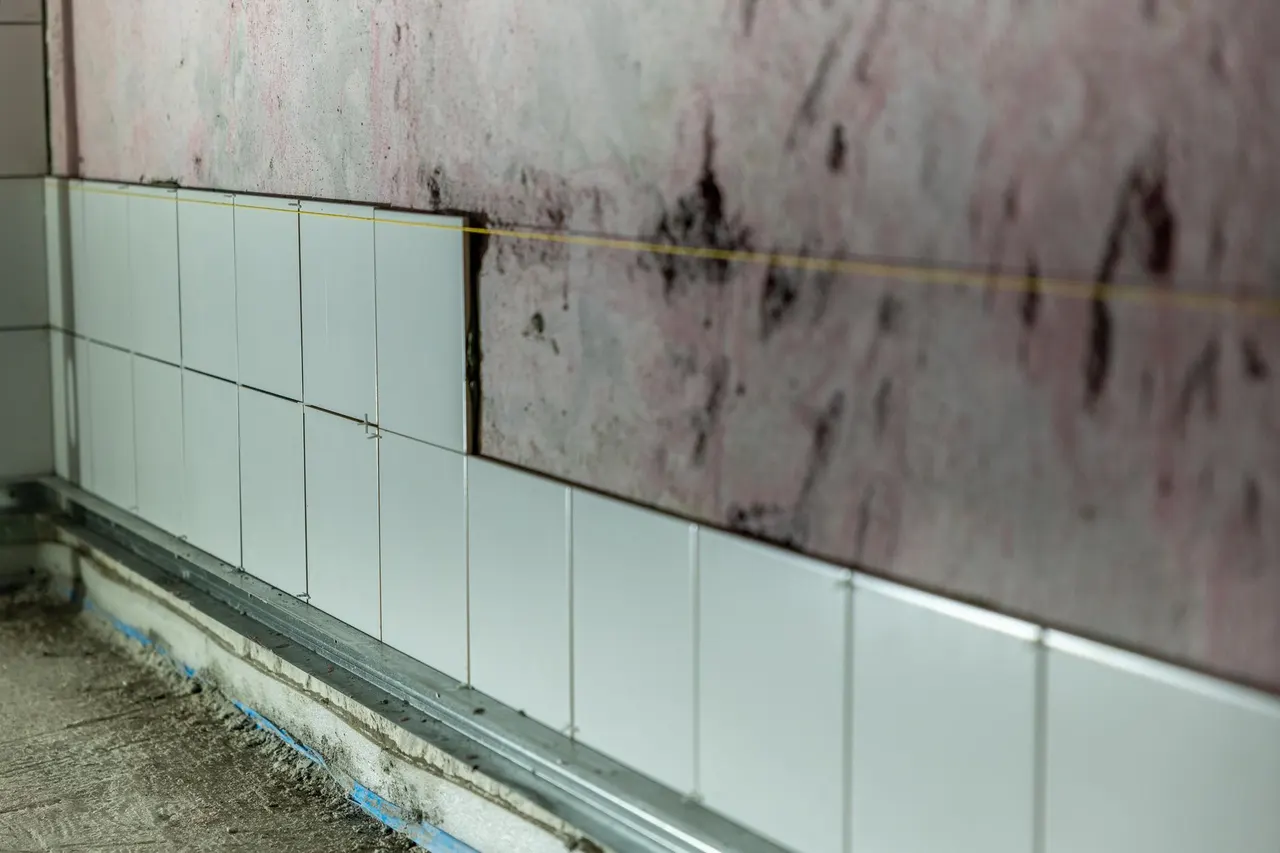
We walk the house with a moisture meter and thermal imaging camera, checking drywall, baseboards, crawl space joists, and HVAC closets. You get readings room by room and a written target RH. This takes 45 to 60 minutes and costs nothing.
We calculate pints-per-day capacity from your square footage, ceiling height, and occupant load. A 1,200-square-foot condo near the Marina District usually needs 50 pints; a 2,400-square-foot house in White City needs 100 pints or two 70-pint units. Wrong sizing is the number one reason dehumidifiers fail.
We mount the unit, run a condensate drain to a floor drain, sump, or outside, and wire it to a dedicated circuit if needed. Whole-home units tie into the HVAC return so every room gets dry air. Install takes three to five hours.
We set the humidistat to 50% RH, run the unit through a full cycle, and log the drop with a moisture meter. You learn how to read the display, change the HEPA filter, and clear the drain pan. We leave the manual and our direct number.
We return within 14 days to confirm the unit holds 50% RH through a rain event or a cold snap. If readings drift, we adjust placement or add a second unit. Crawl space installs get a boroscope inspection camera check on the joists at the same visit.
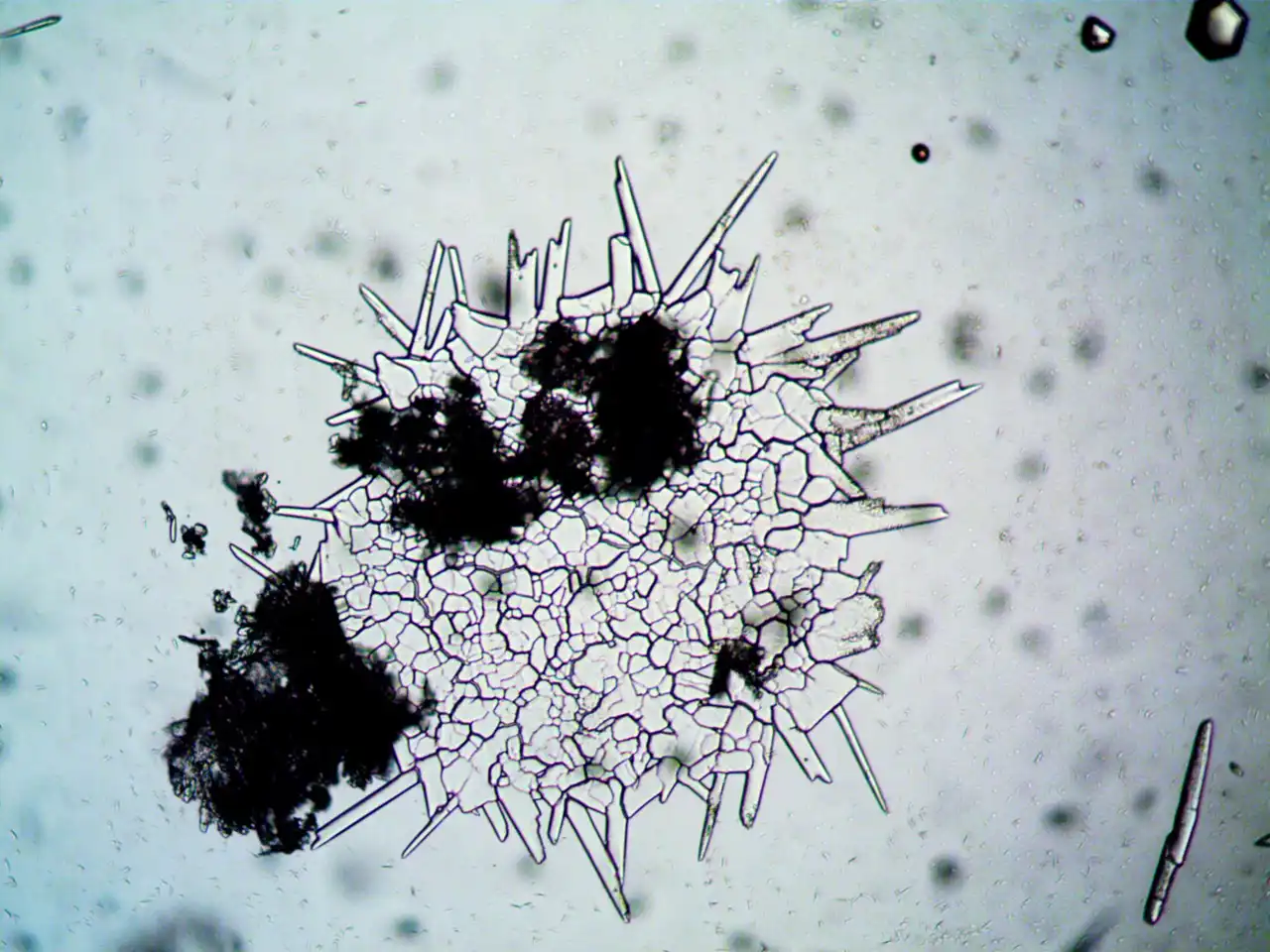
Pin and pinless readings on drywall, wood, and concrete to find hidden moisture and verify drying progress. We log readings before and after every install.
Maps temperature differences to reveal wet wall cavities, hidden leaks, and areas where insulation is failing. It finds moisture you cannot see or smell.
Slides into wall cavities and crawl space joists to inspect for mold growth and water damage without cutting open finished surfaces.
Commercial LGR units for water damage drying. We run these after a leak or storm to pull structural moisture below 16% before mold can colonize.
Filters airborne mold spores and dust during remediation. We run it alongside the dehumidifier so spores do not settle back onto clean surfaces.
Creates pressure differentials to keep mold spores contained in the work area. Standard equipment on any job where we cut out drywall.
Applies Benefect or Concrobium as a fine mist into wall cavities and ductwork to reach surfaces a spray bottle cannot.
We follow the IICRC S500 for water damage drying and S520 for mold remediation. Those standards set the moisture targets we dry to and the containment procedures we use on every job.
We calculate dew point and grains of moisture per pound of air to size dehumidifiers correctly. That is why we ask about square footage, ceiling height, and how many people live in the house.
A 6-mil or 12-mil liner sealed to the crawl space walls with tape and adhesive. It cuts ground moisture evaporation by 80% to 90%, which makes the dehumidifier far more effective.
Concrobium, ShockWave, RMR-86, or Fiberlock applied to framing, drywall, and block walls after mold removal. The dehumidifier keeps surfaces dry so the treatment keeps working.
Third-party clearance testing by an ACAC Certified Microbial Consultant after mold work. We confirm the dehumidifier holds 50% RH before the inspector arrives so the test passes the first time.
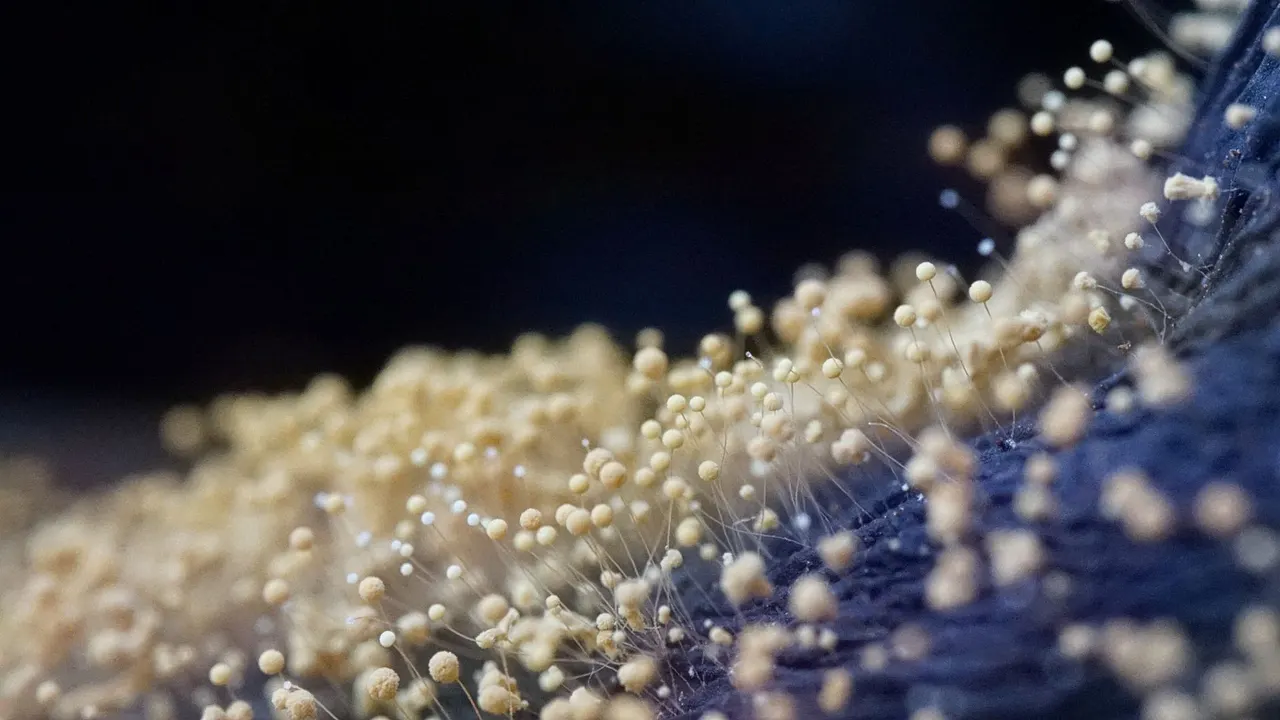
We run a moisture survey, install an encapsulation vapor barrier on the crawl space floor, and set a crawl space dehumidifier on a drain line. We also check the HVAC closet for mold and treat any growth with antimicrobial spray. Joist moisture drops below 16%, the musty smell clears within a week, and you have documented readings for your records.
We measure indoor RH and compare it to outdoor conditions. If the AC is short-cycling, we add a whole-home dehumidifier tied into the return so moisture gets removed independently of cooling demand. Indoor humidity holds at 50%, you can raise the thermostat 2 to 3 degrees, and the windows stop sweating.
We extract standing water, deploy Dri-Eaz or Phoenix Restoration air movers, and set a dehumidifier to pull the structure below 16% moisture content. We document everything for your insurance claim. The kitchen dries in two to three days instead of two weeks, and mold never gets a chance to start.
We install a portable 70-pint dehumidifier with a condensate pump, set the humidistat to 50%, and show the tenant how to empty and clean the filter. We check readings at the 14-day follow-up. Tenant complaints stop, the unit runs on about $8 to $12 a month in electricity, and the condo stays dry between guests.
Fort Pierce humidity runs high year-round, but the worst stretch is May through October, when outdoor RH sits between 75% and 90% and afternoon thunderstorms dump an inch of rain in an hour. Homes on the barrier island, from Hutchinson Island North to Ocean Village, deal with salt air and storm surge that push moisture through every gap. Inland neighborhoods like White City and Fort Pierce South sit on sandy soil with a high water table, so crawl spaces flood after heavy rain and stay wet for weeks. Building stock matters too. Pre-1990 homes in Lincoln Park and the Edgar Town District often have no vapor barrier and undersized AC systems that cannot remove enough water vapor on their own. Newer construction in Waterstone and Bent Creek is tighter, which traps moisture indoors. We size every dehumidifier to the specific house, not a generic chart. If you need same-day dehumidifier service in Fort Pierce after a storm or a leak, call (772) 477-0320 and we will bring a portable unit while we schedule the permanent fix.
Canal-front homes here deal with constant water vapor off the Indian River. We often spec whole-home dehumidifiers tied into the HVAC return to keep interiors at 50% RH.
Storm surge and salt air push moisture through sliding glass doors and block walls. Portable units with condensate pumps work well in condos where a permanent drain is not available.
Sandy soil and a high water table mean crawl spaces stay wet after rain. Vapor barrier plus crawl space dehumidifier is the standard fix here.
1920s bungalows with pier-and-beam foundations and no vapor barrier. We see black mold growth on floor joists and treat it before installing a dehumidifier.
Larger lots with detached garages and workshops. We install separate dehumidifiers for those spaces so tools and stored items do not rust or grow mold.
Every time you open a door or window, humid air enters and the AC has to remove it. A dehumidifier takes that load off the AC and holds indoor RH at 50% even on rainy weeks.
An inch of rain in an hour can flood a crawl space and push indoor RH past 70% within a day. We set dehumidifiers with drain lines so they run continuously without you emptying a bucket.
Ground moisture rises through the slab and crawl space floor. An encapsulation vapor barrier plus a dehumidifier is the only combination that keeps joists and subfloors dry.
Older homes in Lincoln Park and Fort Pierce North have no barrier between soil and subfloor. We see mold on joists within two weeks of a slow leak, so we treat first, then control humidity.
A 1,600-square-foot ranch house had 78% RH in the crawl space and visible black mold growth on floor joists. The homeowner noticed a musty smell in the back bedroom and warped baseboards in the hallway.
We removed surface mold with ShockWave, installed a 12-mil encapsulation vapor barrier, and set a 70-pint crawl space dehumidifier on a condensate drain. Joist moisture dropped from 24% to 12% in five days, and indoor RH held at 49%.
Maintenance: Check the dehumidifier drain line monthly and have us inspect the vapor barrier twice a year. Keep the humidistat at 50% and replace the HEPA filter every three months.
A 2,400-square-foot canal-front home ran its AC constantly but indoor RH stayed at 68%. Windows sweated, closets smelled musty, and the homeowner was cleaning mold off bathroom grout every month.
We tied a 100-pint whole home dehumidifier Fort Pierce Florida unit into the HVAC return and set the humidistat to 50%. Indoor RH dropped to 48% in 24 hours. The homeowner raised the thermostat 3 degrees and cut $42 off the next power bill.
Maintenance: Change the HEPA filter every 90 days, flush the condensate drain each spring, and schedule a moisture meter check before hurricane season. We come out twice a year to verify readings.
Storm surge pushed humidity to 82% inside a ground-floor condo. Mold started on window frames and the base of the drywall within 48 hours. The owner needed documentation for an insurance claim.
We extracted standing water, ran Dri-Eaz air movers and a commercial dehumidifier for three days, treated mold with Benefect, and installed a portable 70-pint unit with a condensate pump. Clearance testing passed with RH at 47%.
Maintenance: Empty and clean the condensate pump monthly, keep the humidistat at 50%, and have us check the unit after any storm that pushes water near the sliding doors.
Fort Pierce humidity causes predictable damage. These are the four calls we get most often, and what happens if you wait.
That smell is mold off-gassing behind drywall or in carpet padding. Left alone, spores spread through the HVAC system and colonize every room within a few weeks. We find the moisture source with a thermal imaging camera, treat visible mold with antimicrobial spray, and install a dehumidifier sized to hold the whole house at 50% RH. Most customers notice the smell gone within 72 hours.
Sweating windows mean indoor air is above the dew point. That moisture drips into sills, feeds mold on wood trim, and rusts HVAC components. It also signals your AC is not removing enough water vapor. We measure RH room by room, then add a whole home dehumidifier Fort Pierce Florida unit tied into the HVAC return. That takes the load off the AC and holds humidity at 50% even on rainy weeks.
Ground moisture rises into floor joists and subfloor, growing black mold growth on wood within days. The smell travels up through the floor, and the framing starts to soften and rot. We install a 6-mil or 12-mil encapsulation vapor barrier, set a crawl space dehumidifier Fort Pierce installation on a condensate drain, and verify joist moisture with a meter. That three-part fix keeps the space dry year-round.
Cleaning mold without fixing humidity is a temporary fix. Spores reactivate the next time RH climbs above 60%, which in Fort Pierce happens most weeks from May through October. We treat the mold with Concrobium or ShockWave, HEPA vacuum the area, and install dehumidification to remove the moisture source. That is the only combination that passes post-remediation clearance testing.
$180 - $4,000 depending on scope
Typical 2026 pricing in this area runs $180 to $450 for a portable dehumidifier installed, $1,200 to $2,800 for a whole-home or crawl space system, and $1,500 to $4,000 more if you add an encapsulation vapor barrier. The moisture survey is free, and we give you a flat quote before any work starts. Cost depends on square footage, how many units you need, whether we have to run a new drain or circuit, and whether mold treatment is part of the job. We do not upsell commercial units into small houses, and we tell you when a cheaper fix will work.
A dehumidifier that holds your home at 50% RH costs less than replacing moldy drywall, warped hardwood, or a rusted HVAC coil. Most Fort Pierce customers see the unit pay for itself in lower cooling bills and avoided remediation within two years.
A 1,200-square-foot condo needs a 50-pint unit; a 2,400-square-foot house needs 100 pints or two 70-pint units. Higher ceilings and open floor plans increase the volume of air you have to dry.
Crawl space installs cost more because we often add a vapor barrier, a condensate drain, and sometimes a sump pump. Living-space installs are simpler and usually finish in a few hours.
If there is no floor drain or sump nearby, we run a condensate line to the outside, which adds labor. A dedicated circuit for a 100-pint unit can add $200 to $400 if your panel has room.
If we find active mold during the survey, we treat it with Concrobium or ShockWave and HEPA vacuum the area before installing the dehumidifier. That adds $300 to $900 depending on how much surface is affected.
Large or multi-story Fort Pierce homes sometimes need two dehumidifiers, one for the main living area and one for a crawl space or garage. Each additional unit adds $180 to $450 installed.
A 6-mil or 12-mil barrier on the crawl space floor cuts ground moisture by 80% to 90% and makes the dehumidifier far more effective. It adds $1,500 to $4,000 depending on square footage.
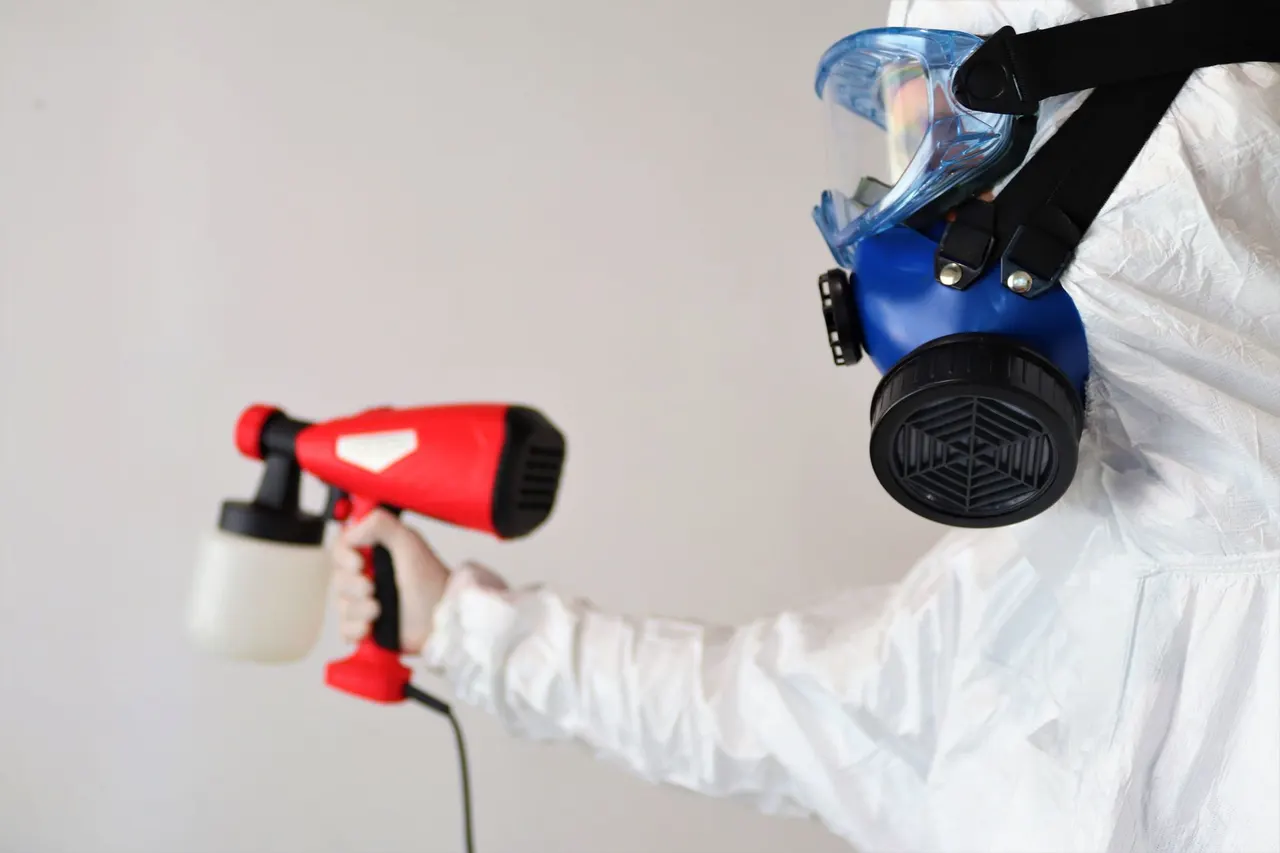
Our technicians hold IICRC Water Restoration Technician (WRT) and Applied Microbial Remediation Technician (AMRT) certifications, plus the Florida Mold-Related Services License (MRSA) required for mold-related work in this state. We carry EPA Lead-Safe Certification for pre-1978 homes and OSHA 10 cards. That training matters because dehumidification is a building-science problem, not a plug-in-and-forget purchase. We read psychrometrics, calculate dew points, and know when a dehumidifier alone will not fix a wet crawl space. We have dried out everything from Hutchinson Island condos after storm surge to 1920s bungalows in the Edgar Town District with no vapor barrier and 30 years of ground moisture.
Our closets smelled like a wet basement every summer. CoveGuard put in a whole-home dehumidifier tied to the AC and showed me the moisture meter drop from 71% to 49% in one day. Six months later, no smell, no mold on the baseboards. They also found a slow leak under the kitchen sink I did not know about.
Rental house had a crawl space that stayed wet all year. They installed a vapor barrier and a crawl space dehumidifier, and the joists finally read dry on the meter. Tenant stopped complaining about the musty smell. Fair price, showed up when they said they would.
After the last storm, our condo humidity hit 80% and mold started on the window frames. CoveGuard treated the mold with antimicrobial spray and set up a portable dehumidifier the same afternoon. They came back two weeks later to check readings. Everything passed clearance.
Typical 2026 pricing runs $180 to $450 for a portable 50- to 70-pint unit installed, and $1,200 to $2,800 for a whole-home or crawl space system with drain line and humidistat. Crawl space jobs that include an encapsulation vapor barrier add $1,500 to $4,000 depending on square footage. We give you a flat quote after the moisture survey, and the survey itself is free.
Yes, if your indoor humidity stays above 55% for more than a few days. Fort Pierce outdoor air runs 75% to 90% RH most of the year, and AC alone often cannot keep up in tight or older homes. Signs you need one: condensation on windows, musty closets, warped baseboards, or a crawl space that smells like dirt after rain. A $0 moisture survey tells you for sure.
CoveGuard Mold Solutions installs and services dehumidifiers across Fort Pierce and St. Lucie County, including Mariner Bay, Lakewood Park, and Hutchinson Island. We handle portable units, whole-home systems tied into the HVAC return, and crawl space units with drain lines. Call (772) 477-0320 and we can usually schedule a survey the same day.
Mold spores need 60% relative humidity and a food source like drywall paper or wood to colonize. Dehumidification holds your indoor air at 45% to 55%, which keeps spores dormant and stops the condensation that feeds them. We pair the unit with an antimicrobial spray on any existing growth and a HEPA vacuum to remove settled spores. That combination is what passes post-remediation clearance testing.
Not seeing your question? Our local team can help you understand urgency, scheduling and what to expect.
Ask the local team
When dehumidification alone will not clear active black mold growth, we contain the area with plastic sheeting and negative air machine, remove contaminated drywall, and treat framing with Concrobium or ShockWave before rebuilding.
View service
Before you buy a dehumidifier, we run a moisture meter and thermal imaging camera survey to find the source. Air and surface samples go to a third-party lab, and you get a written protocol for Fort Pierce humidity control.
View service
If humidity has already fed mold on baseboards or closet walls, we remove it with HEPA vacuum and antimicrobial spray, then install the dehumidifier so it does not come back. Most jobs finish in one to two days.
View service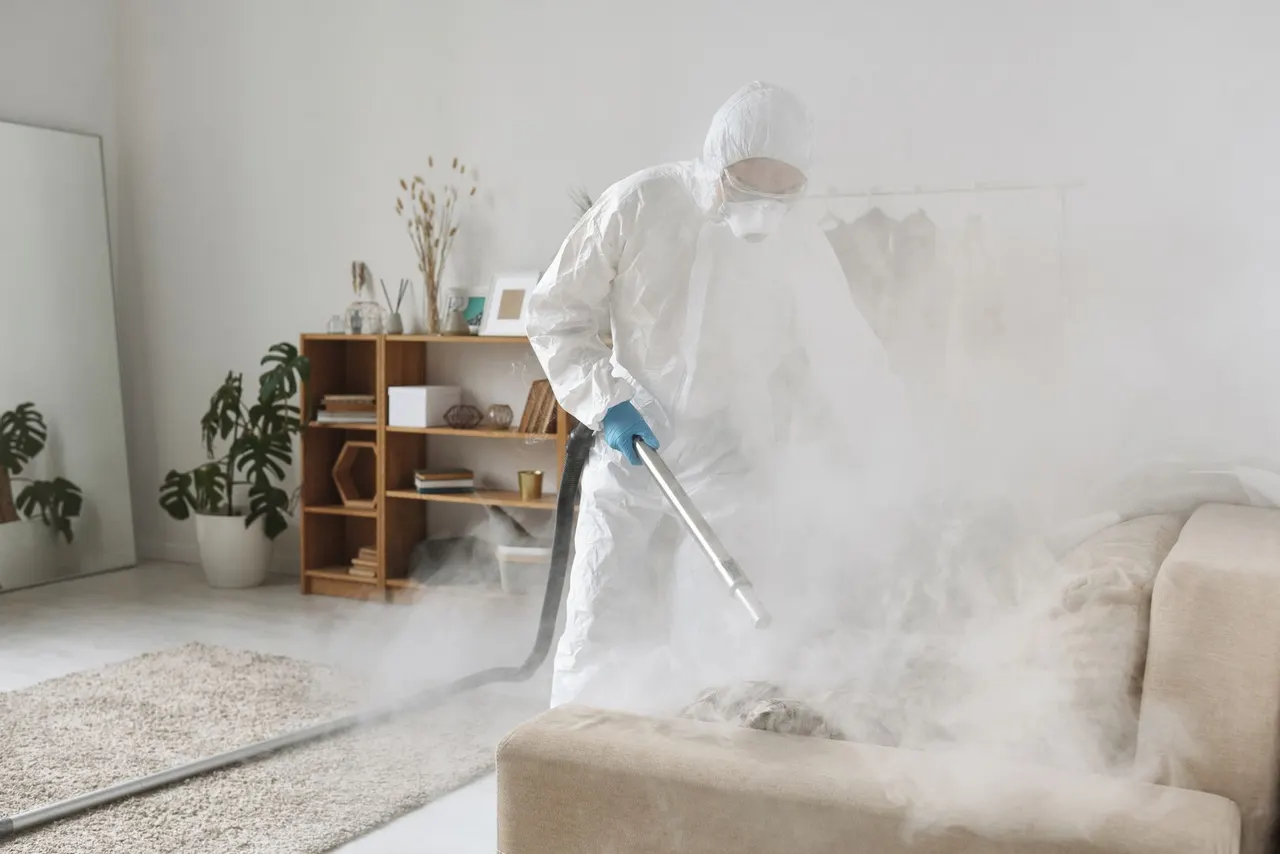
Storm surge, burst pipes, and AC pan overflows can push a Fort Pierce home past 80% RH in hours. We deploy Dri-Eaz or Phoenix Restoration drying equipment the same day, then set a dehumidifier to hold the dry standard.
View service
Call (772) 477-0320 any time, day or night. We answer live and dispatch same-day for mold inspections and emergency remediation across Fort Pierce. If you prefer email, send photos and your address to info@coveguardmoldsolutions.com and we will follow up within one business hour.