Focused arrival windows
Useful updates and clear arrival timing.
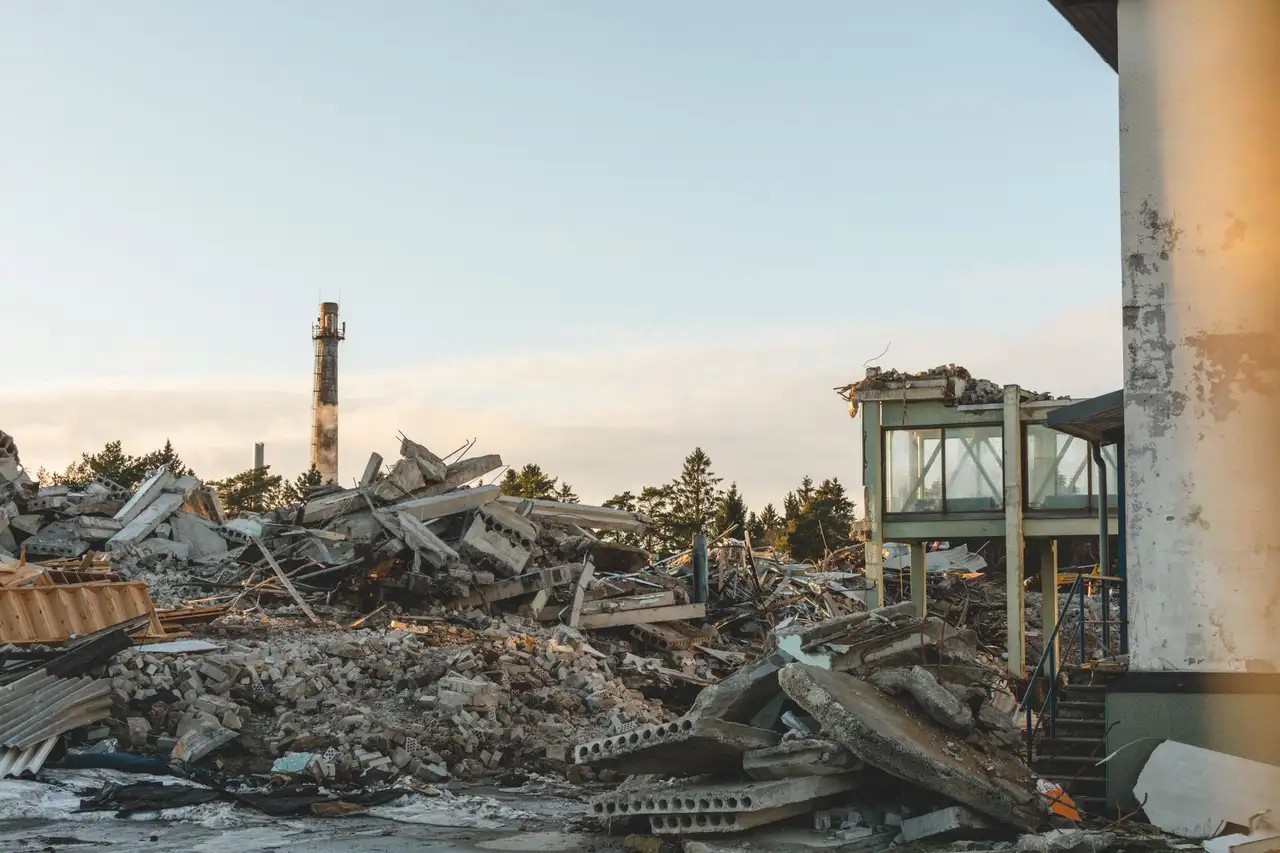
When you need Black Mold Remediation in Creekside, CoveGuard Mold Solutions answers the phone and shows up with the right equipment. We handle mold removal Creekside homeowners trust for older houses near Creekside Park and along Creekside Drive, where humidity and past water damage keep mold coming back. We find the moisture source, remove the growth, and verify the air is clean before we leave.
Useful updates and clear arrival timing.
Review the approach and price before deciding.
Equipped vehicles and respectful cleanup.
Neighbors serving neighbors with follow-through.
Black Mold Remediation in Creekside is the work we do most weeks, not a side service. Creekside sits in St. Lucie County with ZIP 34947, and the combination of high humidity, flood-prone low areas, and older homes with moisture issues keeps our schedule full. We work Creekside Main, Creekside Drive, and Creek Way, and we know which streets flood first after a heavy summer storm. Our technicians carry moisture meters, thermal imaging cameras, and air scrubbers on every truck, so we can confirm hidden mold behind drywall instead of guessing. If you have been searching for Black Mold Remediation near Creekside, we are local and we can usually be on-site the same day you call.
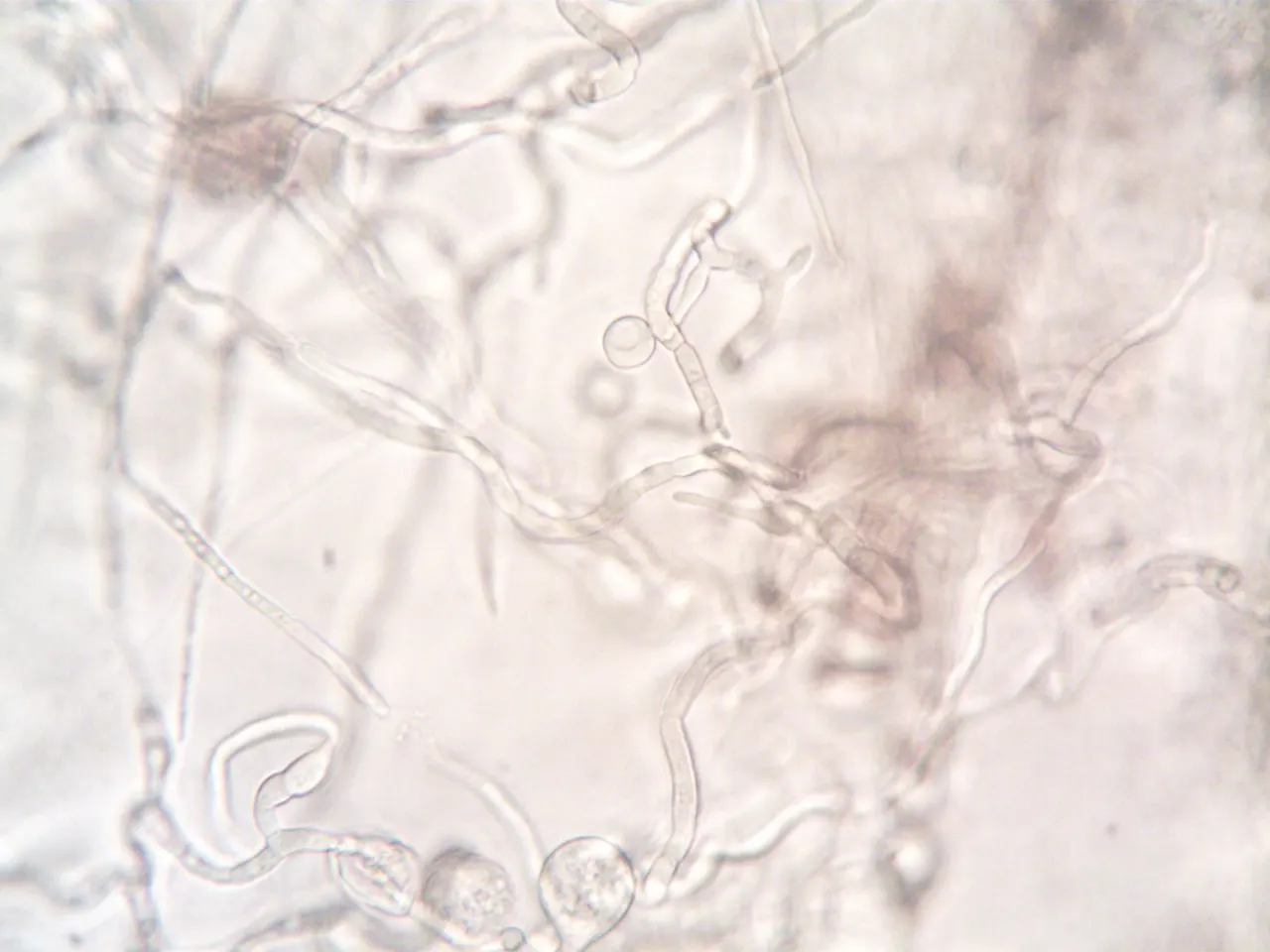
Creekside mold calls run the same pattern: a slow leak or a storm, then a musty odor weeks later. We handle the full scope, from inspection to clearance testing, so you are not coordinating three different contractors. If you have been searching for Black Mold Remediation in Creekside FL near me, this is the list of what we actually do here.
Our core service in Creekside. We contain the work area with plastic sheeting, run a negative air machine with HEPA filters, and remove affected drywall, insulation, and wood. We treat framing with an antimicrobial spray and verify with moisture meters before closing anything up. Most Creekside jobs take one to three days depending on how far the growth spread.
View service →02We inspect Creekside homes with a moisture meter, thermal imaging camera, and boroscope inspection camera to find hidden mold behind drywall and under flooring. Air and surface samples go to a third-party lab. You get a written report with lab results, which is what you need for an insurance claim or a real estate transaction in 34947.
View service →03Physical removal, not just spraying. In Creekside we cut out contaminated drywall, bag it, and HEPA vacuum every surface before we treat. We use Concrobium and Benefect on porous materials and RMR-86 on heavy staining. Cleanup includes odor removal, because musty odors in older Creekside homes usually mean growth you cannot see yet.
View service →04When a pipe breaks at 2 a.m. or a storm pushes water into your Creekside home, mold can start within 24 to 48 hours. We run 24/7 emergency calls across Creekside and St. Lucie County. We extract water, set Dri-Eaz dehumidifiers and air scrubbers, and start remediation as soon as the structure is dry enough to work.
View service →05Most of our Creekside work is residential. We handle single-family homes, duplexes, and rentals around Creekside Main and Creek Way. We protect your furniture and floors with plastic sheeting, keep the work area sealed, and give you a clear daily update. You get a post-remediation report when we finish.
View service →06Creekside businesses near Creekside Community Center and the Creekside Drive corridor call us when a roof leak or HVAC problem spreads mold through a workspace. We work after hours to avoid disrupting your operation, contain the area, and document everything for your insurance carrier. Commercial jobs get a written scope before we start.
View service →07Attic mold is common in Creekside because roof decking stays hot and humid. We inspect with a boroscope, treat the sheathing with an antimicrobial spray, and fix the ventilation or leak that caused it. If the decking is too far gone, we remove and replace it. We also install proper intake and exhaust venting.
View service →08Creekside homes with basements or below-grade rooms fight groundwater and high humidity. We remove affected materials, treat concrete and framing, and install a dehumidifier sized for the space. If water is getting in, we address that first, because treating mold without fixing the water source is a waste of your money.
View service →09Crawl space moisture is one of the biggest mold drivers in older Creekside homes. We remove fallen insulation, HEPA vacuum the joists, treat with antimicrobial spray, and install a vapor barrier or full encapsulation. That keeps ground moisture out of the living space above and stops the musty smell.
View service →Every Creekside job starts with finding the water source, not spraying bleach. We inspect with a moisture meter and thermal imaging camera, then confirm hidden growth with a boroscope inspection camera before we cut anything open. Work areas get sealed with plastic sheeting and duct tape, and we run a negative air machine with HEPA filters so spores do not travel through your house. In older Creekside homes, that matters, because the same ductwork that heats your bedroom can spread mold to every room. We schedule around your workday, and we can usually be on-site within 60 to 90 minutes for emergency calls in 34947. If you have been looking for 24/7 mold removal Creekside FL homeowners can actually reach, we answer the phone at 2 a.m. and we show up.
Creekside sits in a humid subtropical climate, and indoor humidity often stays above 60 percent without mechanical control. That is enough for mold to grow on drywall, wood, and fabric even without a visible leak. We see it most in closets, under beds, and on exterior walls. We measure indoor humidity on every inspection and set target levels below 55 percent. After remediation, we install or recommend dehumidification sized to the home, and we show you how to monitor it with a simple hygrometer.
Low-lying streets in Creekside take on water during heavy summer storms and tropical systems. Water can wick into slab edges, crawl spaces, and garages, and mold can start within 24 to 48 hours. Homeowners often do not notice until they smell it. We prioritize emergency water extraction in these areas, set Dri-Eaz dehumidifiers and air scrubbers the same day, and monitor moisture daily. We also check grading and sump pump function so the next storm does not repeat the problem.
Many Creekside homes were built decades ago with galvanized or early copper plumbing and single-pane windows. Pinhole leaks and condensation around window frames are common, and both feed hidden mold inside wall cavities. The damage is usually worse than it looks from the room side. We use thermal imaging and a boroscope camera to inspect inside walls before we open them. We fix the leak or condensation source first, then remove and treat affected materials. We replace with mold-resistant drywall and seal penetrations.
Older drainage systems and aging sewer laterals in Creekside can back up or drain slowly, leaving standing water in yards and crawl spaces. That constant moisture raises indoor humidity and creates a mold-friendly environment under the house. We inspect the crawl space for standing water and damaged vapor barriers, install or repair sump pumps, and lay new vapor barrier or full encapsulation. We also check exterior grading and downspout discharge to move water away from the foundation.
Florida requires a state license to perform mold assessment or remediation for compensation. We hold the MRSA license, which means our work and our documentation meet state standards. If a contractor cannot show you this license, do not hire them for mold work in Creekside.
The IICRC S520 sets the industry standard for how mold remediation is scoped, contained, and verified. We follow it on every Creekside job, from negative air containment to clearance testing. Following the standard is what makes your remediation defensible to an insurance adjuster or a future buyer.
Creekside has a specific set of conditions that drive mold calls: high humidity, flood-prone low areas, older homes with moisture issues, and aging infrastructure. Those factors combine to create problems we see over and over. Here is what we run into and how we handle it.
Creekside's high water table and humid air keep crawl spaces damp. Torn or missing vapor barriers let ground moisture rise into the floor system, and fallen insulation holds that moisture against the wood. It is the most common mold source we find in older homes here. We remove wet insulation, HEPA vacuum and treat the joists, then install a reinforced vapor barrier or full encapsulation. We add a crawl space dehumidifier with a drain line so the space stays dry year-round, not just after a storm.
Attics in Creekside get hot and humid, and many older homes have inadequate intake or exhaust venting. Bathroom and kitchen fans venting into the attic make it worse. The result is condensation on roof sheathing and mold growth that spreads across the decking. We inspect the roof deck with a boroscope, treat the sheathing with an antimicrobial spray, and correct the ventilation. If a fan is venting into the attic, we re-route it outside. We also check for active roof leaks and seal them before we finish.
A clogged condensate drain or a dirty evaporator coil keeps the air handler wet. Mold grows on the coil and inside the duct lining, then the system distributes spores to every room. In Creekside, this often shows up as a musty smell that is strongest when the AC first kicks on. We inspect the coil, drain pan, and duct runs, clean and treat the system, and replace contaminated filters. We fix the condensate drain so the moisture problem does not return. We also recommend a UV or filtration upgrade where it makes sense.
Supply lines, drain seals, and appliance connections fail slowly in older Creekside homes. Water seeps into the cabinet base and wall cavity, and mold grows out of sight. By the time a homeowner sees it, the damage has usually spread behind the wall. We use thermal imaging and a moisture meter to map the hidden spread before we open anything. We fix the leak, remove affected materials, treat the framing, and replace with mold-resistant drywall. We also check adjacent rooms for hidden moisture.
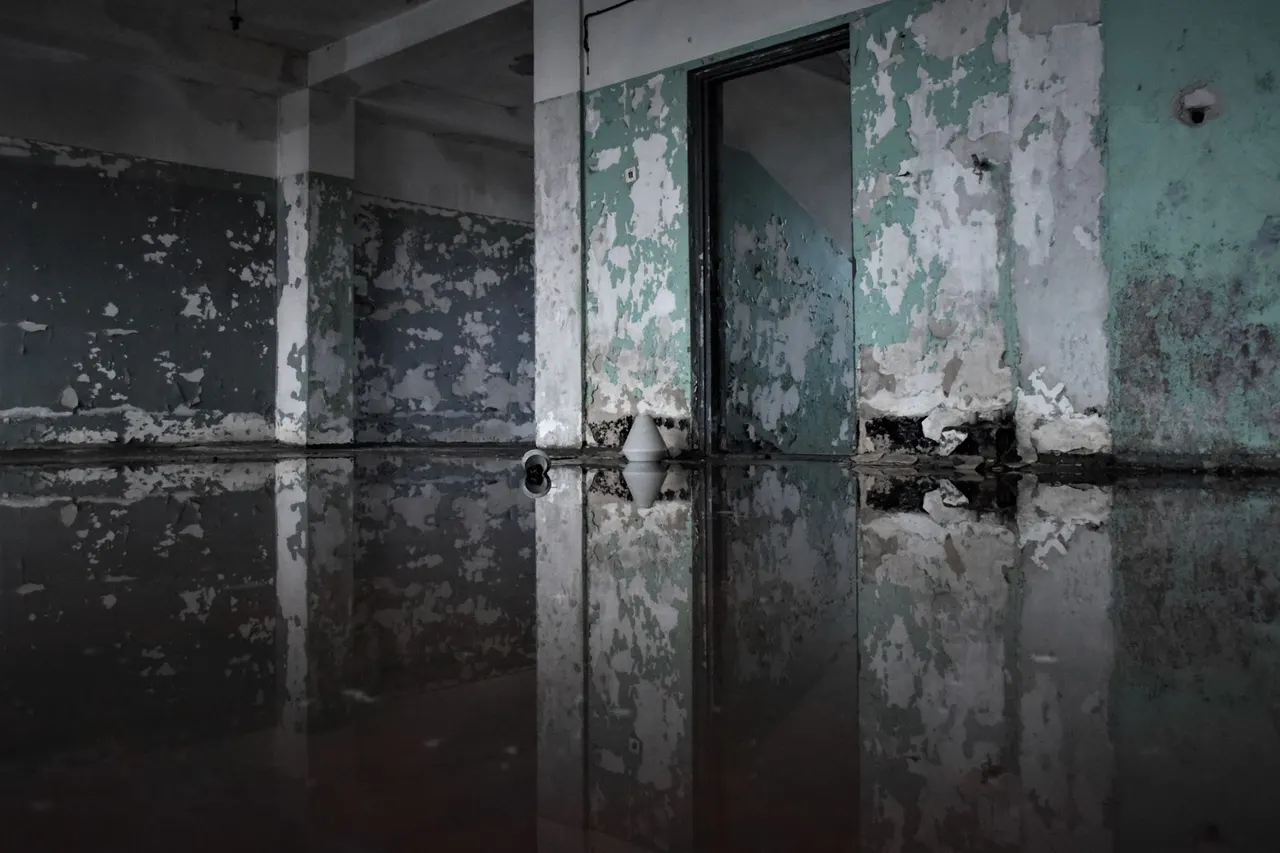
Typical 2026 pricing for Black Mold Remediation in Creekside runs from $1,200 to $6,500 for most residential jobs, with the average landing around $2,800. Small bathroom or kitchen jobs with limited growth often come in under $2,000. Whole-home remediation after a flood, or jobs that include crawl space encapsulation, can run higher. We give you a written estimate before we start, and we do not add charges for equipment or disposal. If you have been looking for affordable mold removal in Creekside, the honest answer is that the price depends on how much material has to come out and how far the moisture spread. We measure both before we quote.
Mold remediation is priced largely by the area of contaminated material. A single bathroom wall is a different job than a whole attic or crawl space. We measure the affected area in square feet and show you the number in the estimate.
Porous materials like drywall, insulation, and carpet pad usually have to be removed and replaced. Hard surfaces like concrete, framing, and tile can often be treated and saved. The mix of materials on your Creekside job drives a large part of the cost.
If the water source is a simple supply line, the repair is quick. If it is a slab leak, roof leak, or failed sump pump, the repair adds time and cost. We always fix the source first, because remediating mold without stopping the water is money wasted.
Creekside is easy to navigate once you know the landmarks. We use Creekside Park, Fort Pierce Westwood Academy, and the Creekside Community Center as orientation points when we dispatch. If you give us the nearest landmark, we can find your street without a back-and-forth. That saves time on emergency calls, especially at night.
Creekside Park is a central orientation point for the surrounding residential streets. We use it to route to nearby addresses quickly, especially when a caller is not sure of the exact street name.
Fort Pierce Westwood Academy is a well-known landmark on the west side of the area. It helps us locate nearby residential blocks and plan the fastest route during school traffic hours.
The Creekside Community Center is a familiar reference point for local residents. When a customer says they are near the Community Center, we know exactly which streets to check for access and parking.
The Creekside Drive corridor has small businesses, offices, and service shops. Commercial mold calls here usually involve roof leaks or HVAC condensate problems. We schedule after-hours work to avoid disrupting business operations.
The commercial strip along Creekside Main includes retail and light industrial spaces. Moisture problems here often trace to aging roofs and poor drainage. We document everything for the property owner and their insurance carrier.
US-1 runs along the eastern edge of the Fort Pierce area and gives us a direct route to Creekside from our base. It is our primary access corridor for emergency calls.
Orange Avenue is a main east-west artery through Fort Pierce that connects to the Creekside area. We use it to reach addresses quickly during peak traffic.
We run service routes through Creekside every week, so we know the streets, the housing stock, and the moisture problems that come with each area. Whether you are in Creekside Main or off Creek Way, we can be there fast and we bring the right equipment for the building type.
Creekside Main has a mix of older single-family homes and small commercial buildings. Many have crawl spaces and original plumbing, so we see hidden mold behind drywall and under floors. Humidity control is the recurring issue here, especially in homes without central dehumidification. Our trucks are usually within 15 minutes of Creekside Main, and we can often be on-site the same day.
Homes along Creekside Drive tend to be older with mature trees and shaded roofs, which keeps attic sheathing damp longer after rain. Attic mold and roof leak damage are common calls here. We inspect the roof deck and ventilation on every job in this area. Creekside Drive is a regular route for us, so response times are typically under 30 minutes.
Creek Way sits closer to the low areas, so storm water and high groundwater are real concerns. Crawl space moisture and slab wicking show up often. We install vapor barriers and encapsulation here more than anywhere else in Creekside. We know the parking and access on Creek Way, and we can usually reach the address within 20 to 30 minutes.
The blocks around Creekside Community Center include a mix of rentals and owner-occupied homes. Rental turnover means we get called for musty odors and bathroom mold that went unnoticed. We work with landlords and tenants to schedule inspections quickly. We are close to the Community Center area and can typically schedule an inspection within 24 hours.
These are real job patterns we see in Creekside, with the numbers that matter. Every case started with a moisture problem that was not addressed fast enough. In each one, fixing the water source was the difference between a one-time repair and a repeat call.
A homeowner on Creekside Drive noticed a musty odor in the hallway but no visible water. A moisture meter read 22 percent in the wall behind the baseboard. We opened the wall, found a pinhole leak in a copper supply line feeding the bathroom, and repaired it. The affected drywall and insulation were removed, the cavity was HEPA vacuumed, and the framing was treated with an antimicrobial spray. We dried the area with a Dri-Eaz dehumidifier for two days. Moisture readings returned to 11 percent, clearance testing passed, and the homeowner avoided a full bathroom remodel. Total job time was three days.
A rental near Creekside Community Center had visible black mold growth on the bathroom ceiling and a tenant complaining of musty odors throughout the unit. We inspected the attic and found the bathroom exhaust fan was venting directly into the attic space, not outside. We removed the moldy drywall, treated the framing, re-routed the exhaust duct through the roof, and installed a new fan. The attic sheathing was treated and dried. Post-remediation air samples came back at normal spore levels, the tenant renewed the lease, and the landlord now has a maintenance schedule for the fan.
A home on Creek Way had standing water in the crawl space after a summer storm. The vapor barrier was torn and fallen insulation was holding moisture against the floor joists. We pumped out the standing water, removed the wet insulation, HEPA vacuumed the joists, and treated the wood with ShockWave. We installed a new reinforced vapor barrier and a crawl space dehumidifier with a drain line. We also repaired the sump pump discharge line. Crawl space humidity dropped from 78 percent to 51 percent, and the homeowner has had no musty odor since. The job took two days.
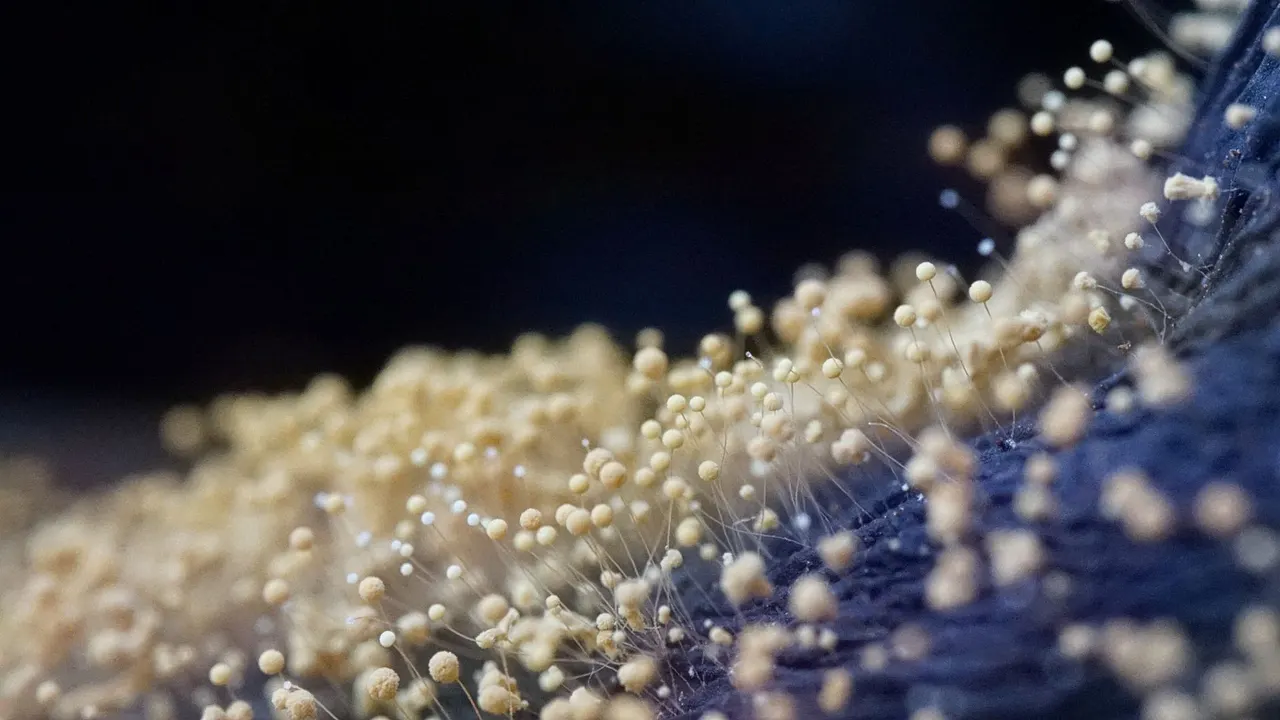
We had a leak under the kitchen sink that we did not catch for weeks. CoveGuard came out the same day I called, found mold behind the cabinets with a camera, and had it out and treated in two days. They showed me the moisture readings before and after. Fair price and no pressure to buy anything extra.
After the last big storm, our crawl space was full of water and the whole house smelled musty. The crew pumped it out, replaced the vapor barrier, and installed a dehumidifier. They explained why the old barrier failed and how to keep it dry. Six months later, still no smell and the humidity gauge stays in the green.
I called about a musty smell in the hallway and they found a pinhole leak in the wall that two other plumbers missed. They fixed the leak, removed the moldy drywall, and matched the texture so you cannot tell it was opened. The clearance test report came back clean. Professional and on time.
Creekside does not get a real winter break from mold. Humidity stays high most of the year, and storm season drives most of our emergency calls. If you are looking for 24/7 mold removal Creekside FL homeowners can count on, here is what each season typically brings.
Spring rains and rising humidity wake up mold that went dormant in cooler months. We see a spike in attic and crawl space calls as moisture levels climb. Pollen season also clogs HVAC filters, which reduces airflow and lets the coil stay wet.
Summer is our busiest season. Afternoon thunderstorms and tropical systems dump water on Creekside, and the heat keeps indoor humidity high. Water damage calls turn into mold jobs within 48 hours if the structure is not dried. AC systems run constantly, so condensate drain problems show up now.
Fall is when homeowners discover mold that grew during the summer. The musty smell is more noticeable as windows stay closed. We also get calls from snowbirds returning to find their Creekside home has been closed up for months with high humidity inside.
Winter in Creekside is mild, but it is not dry. Cooler air holds less moisture, so mold growth slows but does not stop. We still find active mold in crawl spaces and attics, especially after a wet winter. Cold fronts can also cause condensation on windows and exterior walls.
Creekside is part of a larger service region we cover across St. Lucie County. If you are in a neighboring community, we can still help. We run crews throughout the Fort Pierce area and coordinate scheduling so you are not waiting days for an inspection.

Downtown Fort Pierce is a short drive east of Creekside. Many of our Creekside customers also own rental property downtown, so we handle both addresses.
Local coverage and details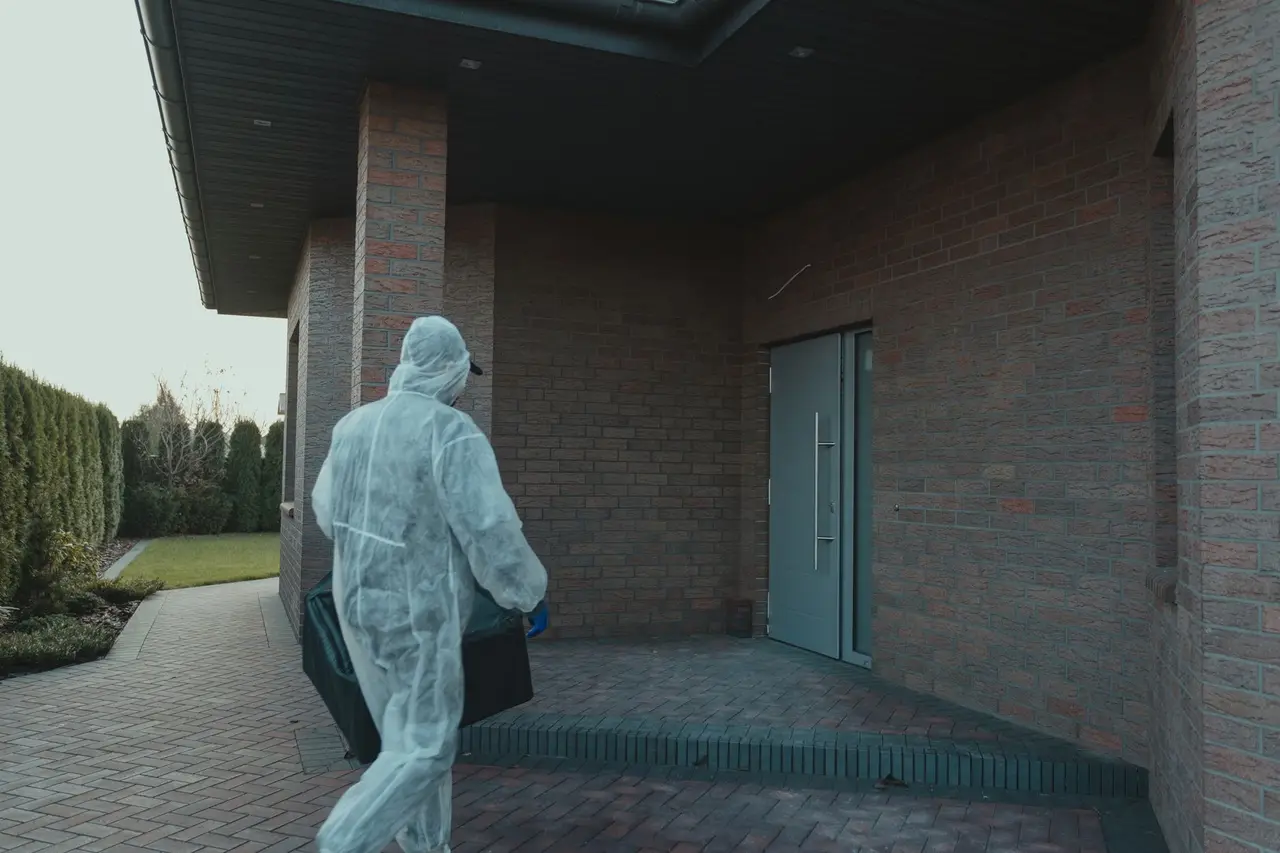
Lincoln Park is a nearby Fort Pierce neighborhood with similar older housing stock. We serve mold and water damage calls there on the same routes as Creekside.
Local coverage and details
The Peacock Arts District is just east of Creekside. We work commercial and residential mold jobs there, often after roof leaks in older buildings.
Local coverage and details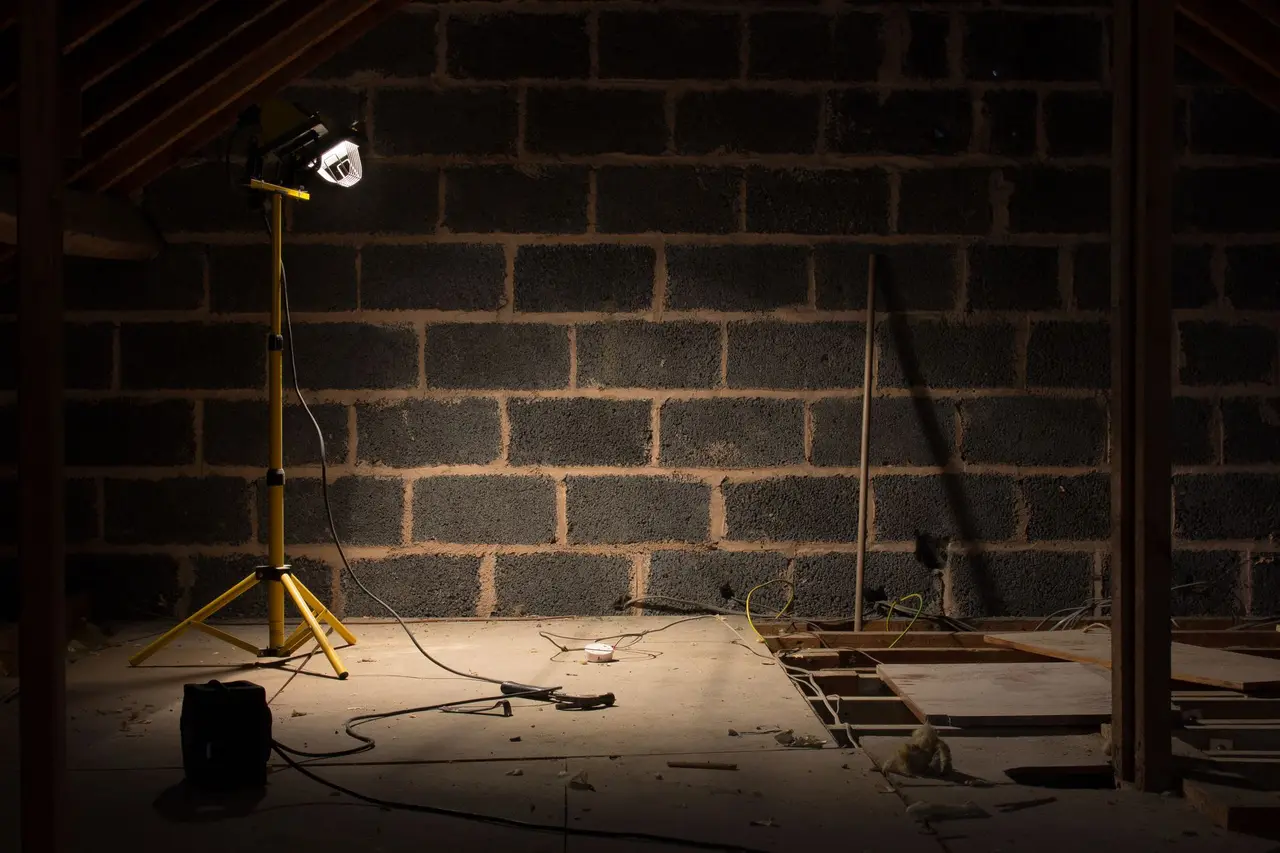
South Beach is a coastal Fort Pierce area we cover. Humidity and salt air make mold prevention important there, and we handle both remediation and dehumidification.
Local coverage and detailsMold remediation is not a commodity. Two contractors can quote the same job and deliver very different results. In Creekside, where humidity and older housing stock make the work harder, the questions you ask before hiring matter. Here are the ones that separate a real remediation company from a spray-and-paint operation.
Florida requires a Mold-Related Services License for paid mold work. Ask to see it. A licensed contractor carries liability and workers comp insurance, which protects you if something goes wrong. An unlicensed contractor can leave you holding the bill.
Mold is a symptom. If a contractor treats the mold without fixing the leak, condensation, or drainage problem that caused it, the mold comes back. Ask how they will identify the source and whether that repair is included in the scope.
The S520 standard covers containment, removal, and verification. A contractor who follows it will use negative air machines, HEPA filtration, and clearance testing. A contractor who does not may spread spores through your house during the job.
Clearance testing with an independent lab is the only way to prove the mold is gone. If a contractor says testing is unnecessary or wants to test their own work, that is a red flag. You want a written report from a third party.
A low verbal quote often grows once the work starts. Ask for a written scope that includes removal, disposal, treatment, and any drywall or material replacement. That way you can compare quotes fairly and avoid surprise charges.
IICRC
IICRC
American Council for Accredited Certification
U.S. Environmental Protection Agency
Occupational Safety and Health Administration
$2M general liability and workers compensation
Member
Member
Member
Most Creekside jobs run $1,200 to $6,500 in 2026, with the average around $2,800. A single bathroom or kitchen wall is often under $2,000. Whole-home jobs after a flood, or crawl space encapsulation, cost more. We give you a written estimate before we start, and the price includes removal, disposal, and treatment.
The best company is the one that finds the moisture source, follows the IICRC S520 standard, and provides third-party clearance testing. We hold the Florida MRSA license, carry insurance, and document every job with photos and moisture readings. Ask any contractor for those three things before you hire them.
Most Florida policies cover mold remediation when it results from a covered water loss, like a burst pipe or storm damage. They usually do not cover mold from long-term neglect or maintenance issues. We document the damage and work directly with your adjuster to support the claim. You still make the final decisions.
Yes. We run 24/7 emergency response across Creekside and St. Lucie County. For water damage, we can usually be on-site within 60 to 90 minutes. We extract water, set dehumidifiers and air scrubbers, and start remediation as soon as the structure is dry enough to work safely.
Most residential jobs take one to three days, including removal, treatment, and drying. Larger jobs, like a whole attic or crawl space, can take four to five days. Clearance testing results come back from the lab in one to two business days after we finish. We give you a timeline in the written estimate.
Not seeing your question? Our local team can help you understand urgency, scheduling and what to expect.
Ask the local team
Call (772) 477-0320 any time, day or night. We answer live and dispatch same-day for mold inspections and emergency remediation across Fort Pierce. If you prefer email, send photos and your address to info@coveguardmoldsolutions.com and we will follow up within one business hour.