Focused arrival windows
Useful updates and clear arrival timing.
Drywall Mold Removal and Repair Fort Pierce FL is what we do every day. If you spot black mold on drywall in Fort Pierce, Florida, we cut out the growth, treat the framing, and hang new board so your wall looks untouched. Our technicians carry moisture meters, thermal cameras, and HEPA vacuums to find hidden mold behind drywall before it spreads. Call (772) 477-0320 and we will be there fast.
Useful updates and clear arrival timing.
Review the approach and price before deciding.
Equipped vehicles and respectful cleanup.
Neighbors serving neighbors with follow-through.
Every job includes the full scope: inspection, containment, removal, antimicrobial treatment, drying, and drywall rebuild. If you need leak repair, duct cleaning, or crawl space work, we quote that separately so you can see exactly what you are paying for.
We scan the room with a moisture meter and thermal imaging camera, then confirm hidden growth with a boroscope inspection camera. You get a written scope showing which drywall sections are contaminated and which are dry.
Plastic sheeting and duct tape seal the work zone. A negative air machine pulls air out, and a Dri-Eaz air scrubber with HEPA filters runs the whole time. Your family stays in the house and the rest of the home stays clean.
We cut out contaminated drywall back to clean material, bag it, and haul it away. Exposed framing gets HEPA vacuumed and scrubbed. This is the step that removes the food source mold needs to keep growing.
Framing, block, and any remaining wood get treated with an antimicrobial product such as Concrobium, Benefect, or ShockWave. This kills remaining spores and leaves a surface mold cannot easily recolonize.
A dehumidifier and air movers dry the framing, usually over 24 to 72 hours. We return with the moisture meter and confirm the wood is dry before any new drywall goes up. No closing wet walls.
We hang mold-resistant drywall, tape, mud, texture, and prime so the repair matches the room. Most single-wall jobs are finished in one day after drying, and you get a wall that looks like it was never damaged.
Share what is happening and receive a clear next step from the local team.
Drywall Mold Removal and Repair Fort Pierce FL is the process of cutting out moldy sheetrock, killing the colony on the framing behind it, and installing new board that matches the rest of your wall. Drywall is basically paper wrapped around gypsum, and paper is mold food. Once a leak or high humidity wets that paper, black mold growth can start in 24 to 48 hours. We remove the contaminated section, treat the studs with antimicrobial spray, and rebuild so the repair disappears into the room.
Fort Pierce sits in St. Lucie County where summer humidity hangs in the 80s and afternoon storms push water through roofs, windows, and stucco cracks. We see drywall mold repair Fort Pierce calls spike after every named storm and during the rainy season from June through October. If you have a musty odor, a soft spot near a window, or a water stain that keeps coming back, there is likely hidden mold behind drywall. We find it with a boroscope inspection camera and fix the source first.
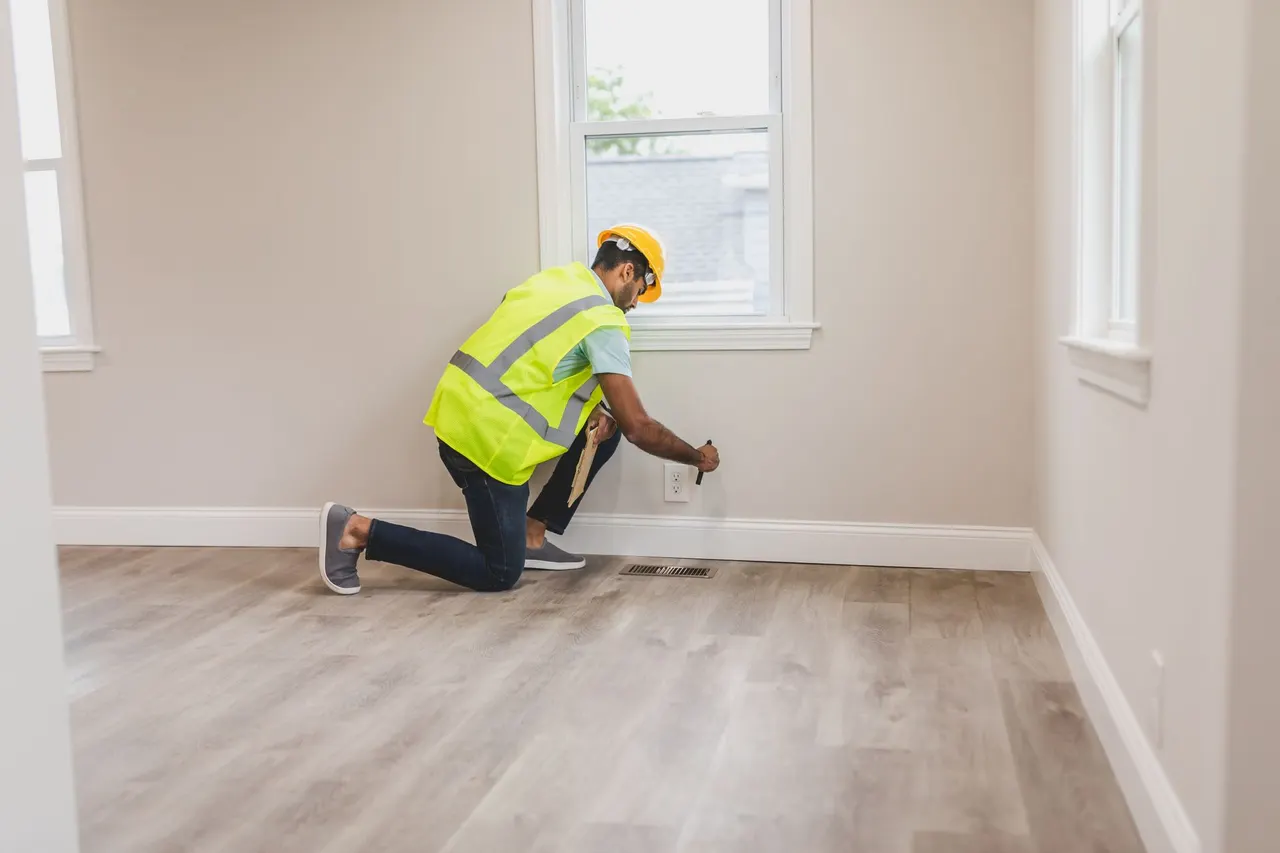
You call (772) 477-0320 and describe what you see. We schedule an inspection, usually same-day. A technician walks the room with a moisture meter and thermal imaging camera, checks the attic and crawl space if needed, and confirms whether you have black mold on drywall or just a stain. You get findings and a written price before any work begins.
We lay plastic sheeting over furniture and doorways, tape the seams, and set up a negative air machine so air flows out of the room, not into the rest of the house. A HEPA vacuum and air scrubber run continuously. This containment step takes about 30 minutes and keeps spores from riding your HVAC system into other rooms.
We cut out the moldy drywall back to clean material, bag it, and haul it out. Exposed framing gets scrubbed and sprayed with an antimicrobial product such as Concrobium or Benefect. If the studs are structurally sound, they stay. If the mold has eaten into the wood, we sister in new lumber. This step runs two to four hours on a typical wall.
We place a dehumidifier and air movers to pull moisture out of the framing. Drying usually takes 24 to 72 hours depending on how wet the wall was. We return with the moisture meter and confirm the framing reads dry before anything gets closed up. Closing a wall while it is still wet is how mold comes back.
We hang new mold-resistant drywall, tape, mud, texture, and prime so the repair blends in. The work zone gets wiped down with a HEPA vacuum, plastic comes down, and we walk the room with you. Most customers cannot tell where the old wall ended and the new one started.
Reads moisture content inside drywall and framing without cutting. We use it to map wet zones and to confirm the wall is dry before closing it up.
Shows temperature differences that reveal hidden moisture behind drywall, under floors, and around windows. It is how we find mold you cannot see yet.
A small camera on a flexible rod that goes through a quarter-inch hole in the wall. We use it to confirm mold growth inside the cavity before cutting.
Pulls air out of the work zone and filters it through HEPA filters. A Dri-Eaz air scrubber runs continuously so spores do not spread to other rooms.
Captures fine mold spores from framing, floors, and surfaces that a shop vac would just blow back into the air. Every job ends with a full HEPA vacuum pass.
Dries framing after removal. We run commercial units for 24 to 72 hours and monitor with moisture meters until readings confirm the wood is dry.
Applies a fine antimicrobial mist to reach surfaces a spray bottle cannot, including the back of the wall cavity and the top plate. Used after removal and before rebuild.
The industry standard for mold work. It defines containment, removal, cleaning, and verification steps. We follow it on every job, which is also what insurance adjusters expect to see documented.
We seal the work zone with plastic sheeting and duct tape, then run a negative air machine so air flows into the zone and out through a HEPA filter. This keeps spores out of the rest of your home.
After removal, exposed framing gets treated with products such as Concrobium, Benefect, RMR-86, or ShockWave. The choice depends on the surface and the level of growth. This step stops regrowth on clean wood.
We do not hang drywall until moisture meter readings show the framing is dry. Closing a wet wall is the single most common reason mold comes back after a repair.
For crawl space and below-grade moisture, we install vapor barriers and encapsulation liners to cut the humidity source. It is often the difference between a repair that lasts and one that fails next rainy season.
We inspect the wall with a moisture meter and thermal imaging camera, find the roof or plumbing leak, and contain the area. Moldy drywall comes out, framing gets treated, and drying equipment goes in the same day. You get a dry, mold-free wall and a repair that matches the ceiling paint. Most jobs like this are finished within two to three days, including drying time.
We open the wall, confirm black mold on drywall with a boroscope inspection camera, and remove the contaminated section. Studs get scrubbed and sprayed with antimicrobial, and we rebuild with mold-resistant drywall. The musty odor is gone, the wall is solid again, and the new board resists future moisture. We also check your exhaust fan so the problem does not return.
We inspect, document the growth with photos and moisture readings, remove the moldy drywall, treat the framing, and rebuild. You get a written report showing the repair and clearance readings. The deal moves forward with documentation the buyer's agent can review. Most real-estate drywall mold jobs are completed in one to two days.
We contain the closet, remove the moldy drywall, treat the framing, and dry the cavity. We also repair the AC drip pan and line so the leak stops. Photos and moisture logs go to the property owner for the insurance claim. The unit is rent-ready again, and the owner has the paperwork needed to file. Turnaround is usually two days from inspection to finished wall.
Fort Pierce has two things working against drywall: humidity and storms. Summer dew points sit in the 70s, and afternoon thunderstorms push water through roofs, windows, and stucco cracks from June through October. Add the older housing stock in Downtown Fort Pierce and Lincoln Park, where plumbing and roof flashing have had decades to fail, and you get a steady stream of drywall mold calls. We also see it in newer construction on Hutchinson Island, where AC drip pans and supply lines leak inside walls for weeks before anyone notices. Our approach is the same everywhere: find the moisture source, contain the work zone, remove the moldy drywall, treat the framing, dry it, and rebuild. If you are searching for drywall mold cleanup near me Fort Pierce, we are likely already working a few streets over. We also handle black mold on drywall remediation Fort Pierce Florida homeowners need after a storm, including emergency containment and same-day drying equipment.
Older homes and commercial buildings with aging plumbing and roof flashing. Slow leaks behind walls are common, and drywall mold often shows up around windows and in bathrooms.
Many homes here have had multiple roof repairs over the years. We frequently find hidden mold behind drywall near the ceiling line after a patch job that did not fully stop the leak.
Salt air and humidity attack window seals and AC components. Condo walls with shared plumbing are a common source of slow leaks that soak drywall from the inside out.
Larger lots mean more roof area and more chances for storm damage. After a named storm, we see drywall mold in ceilings and exterior walls where water pushed in through vents and soffits.
A mix of older and renovated homes. Renovations sometimes cover up old water damage, and we find moldy drywall behind new paint during inspections.
Drywall paper absorbs moisture from the air, especially in closets, garages, and rooms with poor airflow. It does not take a leak to start mold growth in these spaces.
Wind-driven rain finds its way past windows, doors, and roof penetrations. Wet drywall can start growing mold within 24 to 48 hours of a storm.
Galvanized and early copper lines develop pinhole leaks that drip inside walls for weeks. By the time you see a stain, mold has usually been growing behind the drywall for a while.
A clogged condensate line overflows the drip pan and soaks the closet or hallway wall. This is one of the most common hidden mold sources we find in Fort Pierce homes.
A slow leak behind the shower valve soaked the drywall for weeks. The paint was bubbling, the wall felt soft, and black mold was visible along the baseboard. A moisture meter read 28 percent in the framing, well above the 16 percent threshold for mold growth.
We removed four feet of moldy drywall, treated the studs with antimicrobial, and dried the cavity for 48 hours. New mold-resistant drywall went up, was taped, textured, and primed. Moisture readings came back at 11 percent before we closed the wall.
Maintenance: We replaced the shower valve and checked the exhaust fan. Run the fan for 15 minutes after every shower and check the caulk line twice a year. That keeps the wall dry and the repair intact.
A storm pushed water through a failed roof boot, and a brown stain spread across the hallway ceiling. Within a week the drywall was soft and a musty odor filled the house. Thermal imaging showed moisture spreading three feet beyond the visible stain.
We cut out the damaged drywall, treated the ceiling joists, and ran a dehumidifier for 72 hours. The roof boot was replaced, and new drywall was hung, taped, and textured to match the ceiling. The stain and the odor were gone.
Maintenance: We recommended a roof inspection every spring before storm season. Check attic insulation for damp spots after any major storm. Catching a leak early keeps the repair to a small patch instead of a whole ceiling.
A clogged condensate line overflowed the AC drip pan and soaked the closet wall for over a month. The drywall was stained and soft from the floor up to two feet. A boroscope inspection camera confirmed mold growth inside the wall cavity.
We removed the moldy drywall, HEPA vacuumed the framing, and treated it with antimicrobial. The condensate line was cleared and a float switch was installed. New drywall went up and was finished in one day after drying.
Maintenance: Pour a cup of vinegar down the condensate line every month during cooling season. The float switch shuts the unit off if the pan fills again, which prevents the overflow that started the problem.
Most drywall mold calls start with one of a handful of problems. Here are the ones we see most often in Fort Pierce homes, and how we handle each.
Shower steam and slow leaks wet the drywall paper, and black mold can spread across the whole wall cavity within a week. Left alone, it eats into the studs and pushes spores into the rest of the house. We cut out the moldy board, treat the studs with antimicrobial, and rebuild with mold-resistant drywall. We also check the exhaust fan and shower pan so the wall does not get wet again. Most bathroom wall jobs finish in a single day.
A musty smell usually means hidden mold behind drywall or in the crawl space. Air fresheners mask it for a day, then it returns. Long-term exposure irritates allergies and makes the whole house feel damp. We trace the odor with a thermal imaging camera and moisture meter, then open the wall where readings spike. Once we find the colony, we remove it, treat the framing, and run air scrubbers with HEPA filters. The smell is gone because the source is gone.
Painting over a water stain traps moisture and mold inside the wall. The stain bleeds back through within weeks, and the mold keeps growing behind the fresh paint where you cannot see it. We find the leak first, then remove the stained and moldy drywall, treat the framing, and dry the cavity. Only after moisture readings confirm the wall is dry do we hang new board and prime it. The repair holds because the water source is fixed.
Fort Pierce storm season pushes water through roofs, windows, and stucco cracks. Wet drywall starts growing mold in 24 to 48 hours. The longer it sits, the more wall has to come out. We run emergency containment, extract standing water, and set drying equipment the same day. Once the structure is dry, we remove the moldy drywall and rebuild. Fast action after a storm is what keeps a small repair from becoming a full room tear-out.
$350 - $1,800 depending on scope
Typical 2026 pricing for drywall mold removal and repair in Fort Pierce runs $350 to $1,800. Small patches behind a vanity or closet are on the low end. Full walls, ceilings, or rooms with hidden mold behind drywall land on the higher end. The price depends on how much drywall has to come out, how wet the framing is, and whether the repair includes paint and texture. We give you a written number before we start, and we do not add line items mid-job.
You are paying for removal, treatment, drying, and a finished wall, not just a hole in the drywall. One crew handles the whole job, so you are not coordinating a mold company and a drywall contractor. That saves time and usually money.
A two-foot patch costs far less than a full wall. We measure the contaminated area during inspection and price by the square foot, so you can see exactly what drives the number.
Wet framing needs 24 to 72 hours of drying before rebuild. The wetter the wood, the longer the equipment runs, and that adds to the total. We show you the moisture readings that justify the drying time.
If mold has moved past the drywall into insulation or adjacent cavities, the scope grows. A boroscope inspection camera tells us how far it spread before we quote the job.
Matching an orange-peel, knockdown, or smooth finish takes time. A simple patch in a closet is cheaper than a ceiling repair in a finished living room where the texture has to blend perfectly.
If the leak is still active, we fix it before rebuilding. Plumbing, roof, or AC repairs are quoted separately so you can see the mold work and the source repair as two clear line items.
Sudden-damage claims often cover part or all of the work. We document with photos and moisture logs, which helps your adjuster approve the claim faster and reduces what you pay out of pocket.
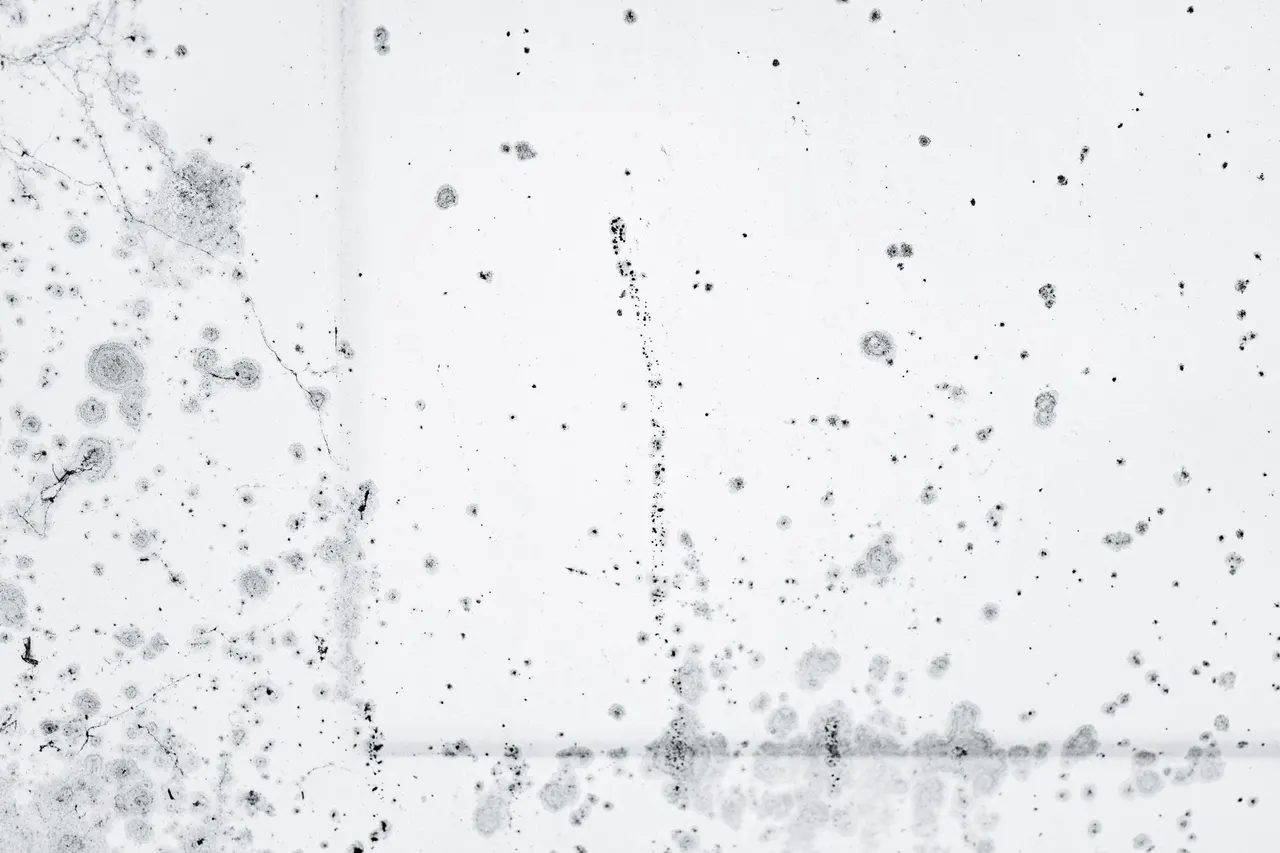
Our technicians hold IICRC Water Restoration Technician (WRT) and IICRC Applied Microbial Remediation Technician (AMRT) credentials, and we work under a Florida Mold-Related Services License (MRSA). That matters because Florida sets its own rules for how mold remediation is documented and cleared. We also carry EPA Lead-Safe Certification and OSHA 10 training, which come into play in older Fort Pierce homes where paint and asbestos may be present. We have handled everything from a two-foot patch behind a bathroom vanity to whole-room tear-outs after a roof leak in the Edgar Town District.
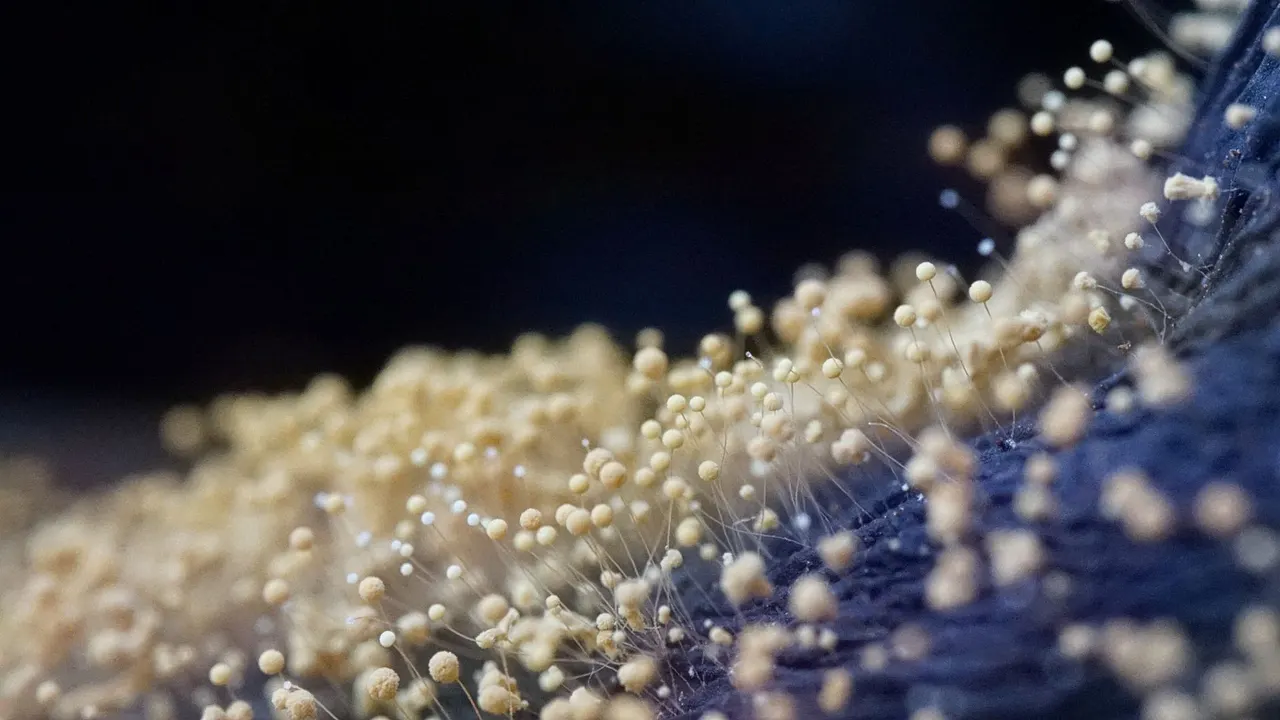
We had a roof leak during a summer storm and the drywall in the hallway turned black within a week. CoveGuard cut out the bad section, treated the studs, and had new drywall up and textured in two days. The moisture readings they showed me before closing the wall sold me. You cannot tell where the repair is.
I manage six rental units and one had a slow leak behind the shower wall. They found hidden mold with a camera, removed it, and rebuilt the wall without tearing up the whole bathroom. They also gave me the photos and moisture log for the insurance claim. Fast, clean, and they answered every call.
My AC drip pan overflowed and soaked the closet wall. I called three companies and CoveGuard was the only one that would both remove the mold and repair the drywall. Price was fair, they sealed off the room, and the musty smell was gone the same day. I have already recommended them to my neighbor.
Most drywall mold removal and repair jobs in Fort Pierce run $350 to $1,800 in 2026. A small patch behind a vanity might be $350 to $600. A full wall or a room with hidden mold behind drywall typically lands between $900 and $1,800. Price depends on square footage, how wet the framing is, and whether new drywall and paint are needed. We give you a written number before we start.
Sometimes yes, often no. If the black mold on drywall Fort Pierce Florida homeowners find is surface-level and the paper is still firm, we can treat it in place. But once mold has soaked into the gypsum or the paper is soft, that section has to come out. We test with a moisture meter and a boroscope inspection camera, then tell you honestly which sections can be saved and which need replacement.
We do. CoveGuard Mold Solutions handles drywall mold removal and repair across Fort Pierce and St. Lucie County, including Downtown, Lincoln Park, the Peacock Arts District, and Hutchinson Island. Call (772) 477-0320 and we will schedule an inspection, usually same-day. We are licensed, insured, and we carry the equipment to find hidden mold behind drywall without tearing your whole room apart.
It depends on the cause. Sudden events like a burst pipe or storm damage are usually covered under Florida homeowners policies. Long-term neglect or chronic humidity is usually not. We photograph the mold, log moisture readings, and give you a report your adjuster can use. Filing early matters, because most Florida policies require you to report damage within a set window.
Not seeing your question? Our local team can help you understand urgency, scheduling and what to expect.
Ask the local team
When black mold growth has spread beyond the drywall into framing, insulation, or the attic, we step up to full black mold remediation. Same containment, same HEPA filtration, larger scope. We handle both in one visit so you are not hiring two companies.
View service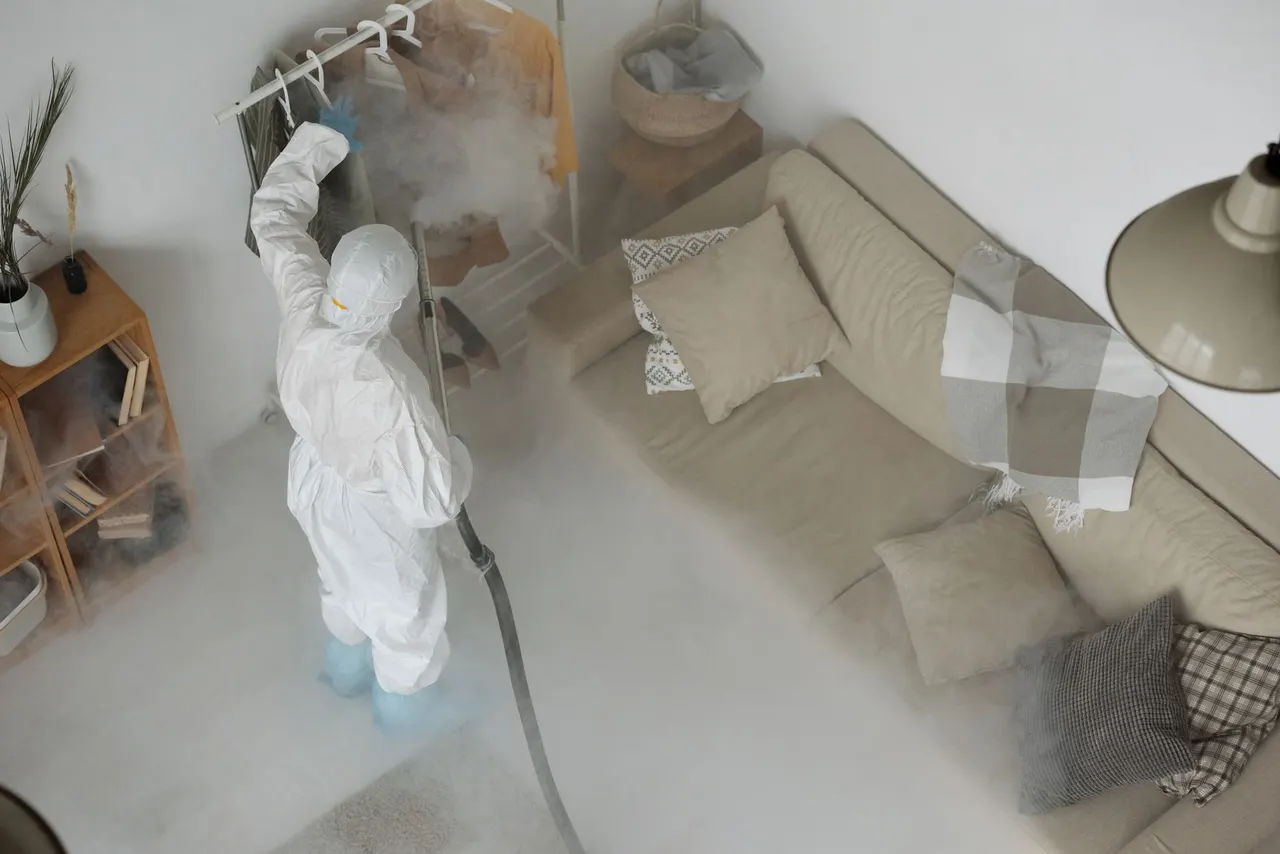
Not sure if that stain is mold or just water damage? We run moisture meter and thermal imaging scans, take air and surface samples, and tell you exactly what you are dealing with before you spend money on removal. Inspection findings feed directly into your drywall mold repair plan.
View service
Full-service mold removal and cleanup covers the whole room, not just the drywall. We pull contaminated insulation, clean framing, HEPA vacuum every surface, and fog the space with antimicrobial. It is the right call when mold has moved past the wall cavity.
View service
Storm pushed water into your walls overnight? We run 24/7 emergency mold remediation with same-day containment and drying equipment. Fast action after a Fort Pierce storm is what keeps a small wet patch from becoming a full drywall tear-out.
View service
Call (772) 477-0320 any time, day or night. We answer live and dispatch same-day for mold inspections and emergency remediation across Fort Pierce. If you prefer email, send photos and your address to info@coveguardmoldsolutions.com and we will follow up within one business hour.