Focused arrival windows
Useful updates and clear arrival timing.

Black Mold Remediation in River Park means finding the moisture source before we cut a single board. We serve River Park Main, Indian River Drive, and Orange Avenue with IICRC-certified crews, thermal imaging cameras, and moisture meters that read through tile and drywall. Riverfront humidity and historic homes off the 34950 ZIP keep us busy year-round. We test, contain, remove, and verify. You get a dry, clear structure and paperwork your insurance adjuster accepts.
Useful updates and clear arrival timing.
Review the approach and price before deciding.
Equipped vehicles and respectful cleanup.
Neighbors serving neighbors with follow-through.
CoveGuard Mold Solutions handles Black Mold Remediation in River Park with the same crew that covers St. Lucie County every week. River Park sits on the Indian River, and that riverfront humidity never really leaves. We work River Park Main, Indian River Drive, and Orange Avenue, plus the historic blocks where 1940s and 1950s homes still have original plumbing and single-pane windows. That combination of old pipes and damp air is why we see black mold growth behind drywall so often here. We are not a franchise dispatch. Our technicians carry IICRC AMRT and WRT credentials, Florida Mold-Related Services License (MRSA) coverage, and EPA Lead-Safe Certification for pre-1978 homes. We use moisture meters, thermal imaging cameras, and boroscope inspection cameras to find hidden mold before we quote. If you search for Black Mold Remediation near River Park, you will find plenty of names. We would rather you judge us on the containment setup and the clearance test at the end.
River Park mold work is not the same as inland Fort Pierce. The river keeps the air heavy, and the older housing stock means we open more walls than we would in a newer subdivision. If you need mold inspection and removal River Park FL homeowners trust, we run the full list below from one dispatch. Every job starts with moisture mapping and ends with a clearance test.
We treat black mold growth in River Park Main and Indian River Drive homes with full containment, HEPA filtration, and antimicrobial spray. Crews use moisture meters and thermal imaging cameras to confirm the moisture source first. We remove porous materials, treat framing, and run a post-remediation verification before we call it done.
View service →02We inspect River Park homes with boroscope inspection cameras, moisture meters, and thermal imaging. Air and surface samples go to a third-party lab. You get a written scope that separates the mold problem from the water problem, which matters when you file a claim on a historic Orange Avenue property.
View service →03Mold removal River Park jobs start with plastic sheeting and negative air machines. We HEPA vacuum surfaces, remove contaminated drywall and insulation, and bag debris on site. River Park homes often have original plaster, so we adjust removal methods to avoid unnecessary demolition.
View service →04Emergency Black Mold Remediation River Park calls come in after storms, burst supply lines, and AC pan overflows. We roll with dehumidifiers, air scrubbers, and extraction gear. If you need 24/7 mold removal River Park FL coverage, we answer the phone and stage a truck near the 34950 ZIP.
View service →05Most River Park work is residential. We handle single-family homes, duplexes, and the older bungalows near Orange Avenue. Crews wear personal protective equipment, set containment, and keep the family out of the work zone. We finish with antimicrobial treatment and a clearance test.
View service →06River Park commercial buildings near the marina and Orange Avenue need work scheduled around business hours. We run overnight containment, use negative air machines, and coordinate with property managers. Restaurants, offices, and rental units get the same documentation package as residential jobs.
View service →07River Park attic mold usually traces back to a roof leak or a bath fan venting into the attic. We inspect with boroscope cameras, remove contaminated insulation, treat the sheathing, and fix the ventilation issue. High humidity off the river makes attic mold a year-round problem here.
View service →08Basements are rare in River Park, but the ones we see are in older homes and flood-prone low areas. We pump standing water, run dehumidifiers, remove contaminated materials, and treat concrete and framing. We also check the sump pump and recommend a vapor barrier if the space stays damp.
View service →09Crawl space moisture is common in River Park's older housing stock. We crawl the space, check joists and subfloor with moisture meters, remove fallen insulation, and treat wood framing. We install encapsulation vapor barrier systems and ventilation fixes so the space stays dry.
View service →River Park jobs start with a moisture map, not a spray bottle. We walk the house with a moisture meter and thermal imaging camera, then check the attic and crawl space with a boroscope inspection camera. In the historic homes off Indian River Drive, we plan for plaster walls and old framing, which means slower removal and more hand work. We set plastic sheeting and duct tape containment, run a negative air machine with HEPA filters, and keep the work zone sealed. If you need same-day mold cleanup in River Park, we can usually have a crew on site within a few hours. We schedule around the homeowner's day, and we park the truck so it does not block your neighbor's driveway. Florida Mold-Related Services License (MRSA) rules and IICRC AMRT standards guide every step. We finish with antimicrobial spray, a clearance test, and a written report.
River Park homes near the water hold higher indoor relative humidity, so mold can grow on drywall and framing even without a visible leak. We see it behind headboards, in closets, and on exterior walls. We measure indoor humidity during the inspection and recommend a whole-home dehumidifier or targeted moisture control. We also treat exterior-wall framing with antimicrobial spray and check the AC system for short-cycling.
Older homes on Indian River Drive and Orange Avenue have galvanized or early copper plumbing that fails quietly inside walls. Plaster walls hide the leak longer than modern drywall, so the mold has more time to spread. We use thermal imaging cameras and moisture meters to find the leak path without tearing out more plaster than necessary. We repair the moisture source, remove contaminated plaster, and rebuild with materials that match the original.
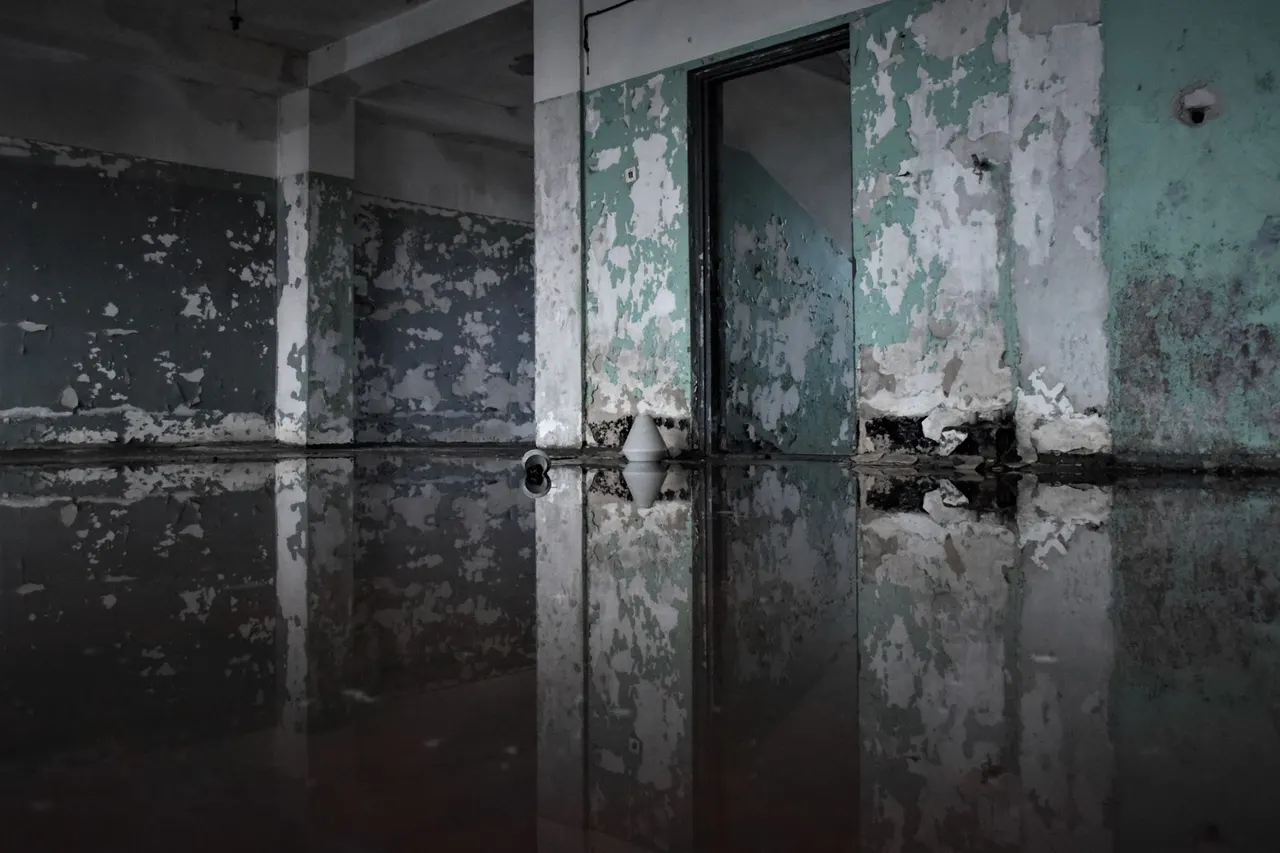
Low blocks in River Park take on water during heavy rain and storm surge. Crawl spaces and ground-floor rooms get wet first, and mold can start within 24 to 48 hours. We install sump pumps with battery backup, vapor barriers, and encapsulation systems in these homes. After a flood, we extract, dry with dehumidifiers and air movers, and treat framing before we close anything up.
Florida requires a state license for mold assessment and remediation. We hold the MRSA license, which means our scope of work and documentation meet state standards. Your insurance adjuster will ask for this.
The IICRC S520 standard governs how we set containment, remove contaminated materials, and verify clearance. Following it keeps the job defensible and gives you documentation that holds up if you sell the house.
Many River Park homes were built before 1978, which means lead paint may be present. Our EPA Lead-Safe Certification lets us handle remediation without creating a lead hazard during demolition.
River Park has a specific set of mold problems that come from its climate and housing stock. Riverfront humidity, historic homes, flood-prone low areas, and older plumbing all play a role. If you live here, you are more likely to deal with one of these four issues than a homeowner inland.
River Park's older plumbing fails quietly inside walls. A pinhole leak in copper or a cracked supply line can drip for months before you notice. The drywall holds the moisture, and mold grows on the back side where you cannot see it. We use thermal imaging cameras and moisture meters to find the leak path without tearing out the whole wall. We fix the moisture source, remove the contaminated drywall, treat the framing, and rebuild with mold-resistant materials.
River Park's low areas and riverfront humidity keep crawl spaces damp. Ground moisture rises through the soil, and without a vapor barrier, it condenses on the joists and subfloor. Mold grows on the wood within weeks. We inspect the crawl space with a boroscope camera, remove fallen insulation, treat the wood with ShockWave or antimicrobial spray, and install a vapor barrier or full encapsulation system with a dehumidifier.
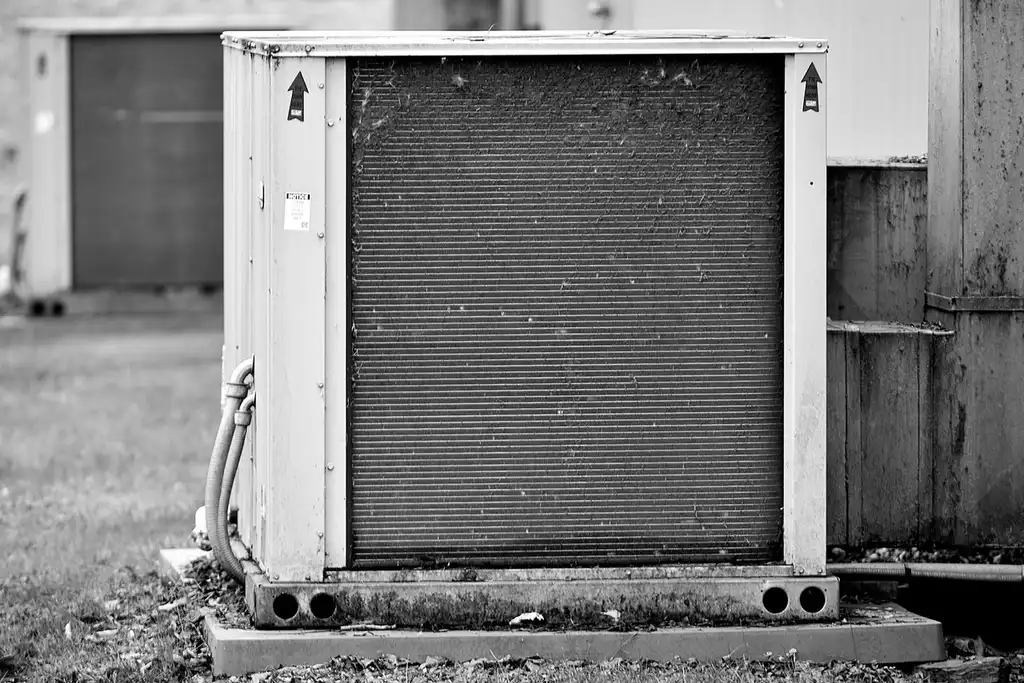
River Park homes run the AC most of the year. A clogged condensate drain or a dirty coil keeps the air handler wet. Mold grows on the coil and in the ductwork, then spreads spores every time the system runs. We inspect the air handler and ducts with a boroscope camera, clean the coil and cabinet, and run air duct mold cleaning with negative air machines and HEPA vacuums. We also treat the system with antimicrobial spray.
River Park's older roofs and bath fans vented into the attic create the perfect conditions for mold. The attic stays hot and humid, and a small roof leak adds moisture. Mold grows on the roof sheathing and insulation. We inspect the attic with a boroscope camera, remove contaminated insulation, treat the sheathing, and fix the ventilation. We also repair the roof leak or refer a roofer if the damage is beyond our scope.
Typical 2026 pricing for Black Mold Remediation in River Park runs from $1,200 to $6,500 depending on the size of the affected area and how much material has to come out. A small bathroom or closet job might land near the low end. A crawl space with encapsulation or a whole-room removal pushes toward the high end. The biggest cost driver is hidden mold. If we open a wall and find more than the inspection showed, the price goes up. We give you a written estimate before we start, and we do not add charges without your approval. If you are comparing affordable mold removal in River Park, ask for the scope of work, not just the number.
A 10-square-foot patch of drywall is a different job than a whole room. We measure the affected area during inspection and price by the square foot of material removed and treated. Larger areas also need more containment and more filtration time.
River Park's older homes often hide mold behind plaster and drywall. If we open a wall and find more contamination than the inspection showed, the job grows. We stop, show you what we found, and give you a revised price before we continue.
Crawl space jobs in River Park often include a vapor barrier or full encapsulation. That adds material and labor, but it also fixes the moisture source. Encapsulation typically adds $1,500 to $4,000 depending on the square footage and whether a dehumidifier is installed.
River Park is small enough that we navigate by landmarks. River Park Marina and Fort Pierce City Marina give us a quick reference for the riverfront blocks. Museum Pointe helps us orient toward the historic homes. When we dispatch a crew, we give them the nearest landmark, not just an address, because some side streets off Indian River Drive are easy to miss.
River Park Marina is a useful orientation point for the riverfront blocks. Crews use it to locate streets off Indian River Drive and the nearby residential blocks. It helps us route around boat traffic on busy weekends.
Fort Pierce City Marina sits just south of River Park and serves as a reference for the southern edge of our service area. Crews use it to navigate toward the marina district and the streets that connect to Orange Avenue.
Museum Pointe is a landmark near the historic residential blocks. We use it to orient toward the older homes with plaster walls and original plumbing. It helps us find parking on narrow streets during remediation jobs.
Orange Avenue has a mix of small businesses, offices, and rental properties. We handle commercial mold remediation here, often scheduling overnight to avoid disrupting business hours. The older buildings mean we check roofs and plumbing first.
The Marina District includes restaurants, shops, and rental units near the water. Humidity is high, and flat roofs are common. We work with property managers on scheduled maintenance and emergency response.
Indian River Drive is the main north-south route along the river. We use it to reach riverfront homes quickly, though we watch for flooding during high tide and storms.
Orange Avenue is a main east-west route through River Park. It gives us quick access to both residential and commercial jobs and connects to the wider Fort Pierce street grid.
We run regular routes through River Park Main, Indian River Drive, and Orange Avenue, plus the surrounding blocks in the 34950 ZIP. If you are on a side street off the main drag, we can still get to you. Response times stay short because we stage trucks in the area.
River Park Main is the core of the neighborhood, with a mix of single-family homes and small rentals. The older housing stock here means we see more plumbing leaks and crawl space moisture. We know the streets and where to park without blocking traffic. Truck staged nearby, typically 20 to 30 minutes from call to arrival.
Indian River Drive runs along the water, and those homes get the full effect of riverfront humidity. We see mold behind drywall from AC condensate leaks and window seepage. Historic homes here need careful removal to preserve original plaster and trim. Direct route from our staging area, usually 15 to 25 minutes.
Orange Avenue has a mix of homes and small commercial buildings. We handle both residential and commercial mold jobs here. The older plumbing and flat roofs on some buildings create recurring leak points that feed mold. Close to our route, typically 20 to 30 minutes.
The blocks near Museum Pointe include some of the oldest homes in River Park. Original wood framing and plaster walls mean we plan for slower, more careful removal. Crawl spaces here often need vapor barriers and encapsulation. Short drive from the marina district, usually 20 to 35 minutes.
These are real jobs we have run in River Park. They show what we find, how we fix it, and what the results look like. Names and exact addresses are left out, but the neighborhoods and numbers are accurate.
A homeowner on Indian River Drive noticed a musty smell in a hallway closet and a dark stain on the baseboard. The AC condensate line had been dripping inside the wall for months. We set containment with plastic sheeting and a negative air machine, then opened the wall. The drywall and insulation were contaminated. We removed them, treated the framing with antimicrobial spray, and ran a HEPA vacuum. We repaired the condensate line and rebuilt with mold-resistant drywall. Clearance testing came back clean. The job took two days, and the homeowner filed the documentation with their insurance and got the repair covered.
A rental property near Orange Avenue had a crawl space that stayed wet after heavy rain. Tenants complained of musty odors, and the floor felt soft in one room. We inspected with a boroscope camera and moisture meter. The subfloor and joists had mold growth. We removed fallen insulation, treated the wood with ShockWave, and installed a 20-mil vapor barrier. We also added a sump pump with battery backup. Moisture readings dropped to normal within three days. The landlord has had no mold complaints since, and the unit passed a follow-up inspection.
A small commercial building near Museum Pointe had mold on the ceiling tiles and a musty smell in the office area. The roof had a slow leak that had been going for at least a season. We worked overnight to avoid disrupting the business. Crews removed contaminated ceiling tiles and insulation, treated the roof deck and framing, and ran air scrubbers with HEPA filters. We also repaired the roof leak and replaced the tiles. The office reopened the next morning. Air samples came back clean, and the building owner scheduled annual moisture checks to prevent a repeat.
We had mold behind the drywall in our hallway from a slow AC leak. CoveGuard found it with a thermal camera and showed us the moisture reading. They set up containment, removed the bad drywall, and treated the framing. The clearance test came back clean. They also fixed the condensate line so it would not happen again.
Our crawl space was damp and smelled musty. The crew came out, inspected with a camera, and showed us the mold on the joists. They removed the old insulation, treated the wood, and installed a vapor barrier. They also put in a sump pump with a battery backup. The difference in the house is night and day.
We had a pipe burst in the kitchen and mold started growing under the cabinet within a week. CoveGuard came out the same day, extracted the water, and set up drying equipment. They removed the contaminated cabinet base and treated the subfloor. They handled the insurance paperwork and talked to our adjuster. Very straightforward.
River Park's mold season does not really end. The river keeps the air humid, and the AC runs most of the year. That said, some seasons bring specific problems. If you are searching for 24/7 mold removal River Park FL, here is what to expect through the year.
Spring brings rain and rising humidity in River Park. Roof leaks and window seepage show up now, and crawl spaces stay wet. Mold can start within 48 hours of a leak. This is a good time to check your attic and crawl space.
Summer heat and humidity push the AC hard. Condensate lines clog, drain pans overflow, and the air handler stays wet. HVAC mold contamination is most common in summer. Attic temperatures can hit 130 degrees, which speeds mold growth on roof sheathing.
Fall is hurricane season on the Treasure Coast. Storm surge and heavy rain can flood the low areas near the river. Water damage from storms is the leading cause of mold in River Park in the fall. If your home floods, you have 24 to 48 hours before mold starts.
Winter in River Park is mild, but the air can still be damp. Homes stay closed up, and humidity builds indoors. Mold can grow on exterior walls and in closets. This is also when we find mold from slow leaks that started earlier in the year.
River Park is part of a larger service region that includes downtown Fort Pierce, the beaches, and Hutchinson Island. We run crews across St. Lucie County, so if you are just outside River Park, we can still help. The list below shows the nearby areas we cover most often.
Downtown Fort Pierce is a short drive south of River Park. Many of our River Park customers own rental property downtown, so we handle both addresses.
Local coverage and details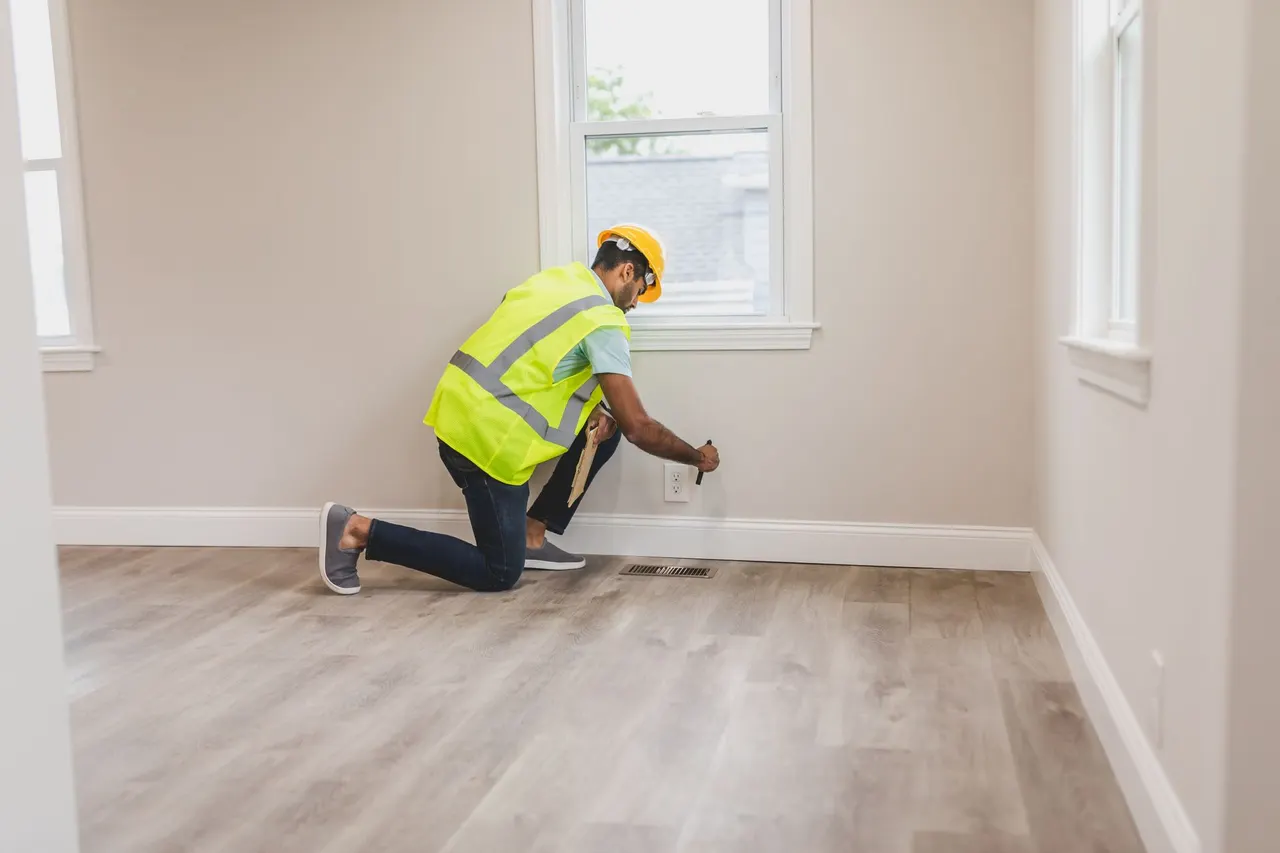
Lincoln Park is west of River Park, about 10 minutes away. We cover mold remediation there with the same crew and equipment.
Local coverage and details
Peacock Arts District is just south of River Park. The older buildings there have similar moisture issues, and we handle both residential and commercial jobs.
Local coverage and details
South Beach is across the inlet, about 15 minutes from River Park. Beachfront humidity drives mold demand there, and we run regular routes.
Local coverage and detailsNot every mold company in River Park does the same work. Some spray and leave. Some skip the clearance test. Before you hire anyone, ask these five questions. The answers will tell you whether you are getting a real remediation or a quick cover-up.
Florida requires a Mold-Related Services License (MRSA) for mold assessment and remediation. If the company cannot show it, they are not legal to do the work. Insurance matters too, because if they damage your home, you want coverage.
Mold comes back if the water source is still active. A good company finds the leak, the condensation, or the humidity problem before they remove mold. If they skip this step, you will be calling someone again in six months.
A clearance test uses third-party air and surface samples to confirm the mold is gone. Without it, you have no proof the job worked. Your insurance adjuster and any future buyer will want to see the report.
Mold remediation can be expensive, and most homeowners file a claim. A company that documents the loss with photos, moisture logs, and a written scope makes the claims process easier. Ask if they will talk to your adjuster directly.
The scope tells you exactly what will be removed, what will be treated, and what will be rebuilt. It also tells you what is not included. A company that will not put the scope in writing is a company you should not hire.
IICRC
IICRC
EPA
OSHA
$2M general liability
Member
Member
Most River Park jobs run $1,200 to $6,500 in 2026, depending on the size of the affected area and how much material has to be removed. Small bathroom or closet jobs land near the low end. Crawl space encapsulation or whole-room removal pushes toward the high end. We give you a written estimate before we start.
The best company is the one that finds the moisture source, sets proper containment, and gives you a clearance test at the end. Ask for the Florida MRSA license, IICRC AMRT certification, and proof of insurance. We carry all three, and we will show you the paperwork before you hire us.
Most homeowners insurance policies in Florida cover mold remediation when it results from a covered peril, like a burst pipe or storm damage. Mold from long-term neglect is usually not covered. We document the loss with photos, moisture logs, and a written scope to support your claim.
Yes. We answer the phone 24/7 for emergency Black Mold Remediation in River Park. We stage trucks near the 34950 ZIP, so we can usually be on site within a few hours. If you have standing water or a burst pipe, call us immediately. Mold can start within 24 to 48 hours.
Most residential mold removal jobs in River Park take one to three days. A small bathroom or closet can be done in a day. A crawl space with encapsulation or a whole-room removal takes longer. We do not pull equipment until moisture readings are dry and the clearance test comes back clean.
Not seeing your question? Our local team can help you understand urgency, scheduling and what to expect.
Ask the local team
Call (772) 477-0320 any time, day or night. We answer live and dispatch same-day for mold inspections and emergency remediation across Fort Pierce. If you prefer email, send photos and your address to info@coveguardmoldsolutions.com and we will follow up within one business hour.