Focused arrival windows
Useful updates and clear arrival timing.
Encapsulation Services Fort Pierce FL seals your crawl space with a heavy vapor barrier so humid Florida air stops feeding mold and wood rot. We serve homeowners and property managers across St. Lucie County, from riverfront cottages to slab-on-grade builds near the beaches. If your floors feel damp or your house smells like a wet basement, we can inspect and quote the same day.
Useful updates and clear arrival timing.
Review the approach and price before deciding.
Equipped vehicles and respectful cleanup.
Neighbors serving neighbors with follow-through.
Every encapsulation job we quote in Fort Pierce includes the full system, not just the plastic. Here is what is covered in a standard scope, plus the add-ons we price separately when your crawl space needs them.
We remove debris, fallen insulation, and organic material from the ground before anything else happens. A clean floor is what lets the vapor barrier lay flat and seal properly against the foundation walls.
Joists, beams, piers, and subfloor get treated with an antimicrobial spray. We use Concrobium or ShockWave depending on growth level, then fog the space with Benefect to knock down airborne spores before the liner goes in.
Standard jobs get 12-mil liner; homes with high water tables or sandy floors get 20-mil. Panels overlap 12 inches, get taped with liner tape, and are fastened to the walls so the barrier does not shift when the space is serviced.
Foundation piers get wrapped and sealed so moisture cannot wick up through the concrete. Existing foundation vents are closed and insulated. This is what turns a vented crawl space into a sealed, conditioned zone.
We size a Dri-Eaz or Phoenix Restoration dehumidifier to your cubic footage, install it on a stand, and run the condensate drain to the exterior. The unit is set to hold the space under 60% relative humidity year-round.
The morning after install, we re-meter the space with a moisture meter and thermal camera. You get the readings in writing. If the numbers are not where they should be, we correct the system before we call the job complete.
Share what is happening and receive a clear next step from the local team.
Encapsulation Services Fort Pierce FL is a moisture-control service that seals a vented crawl space with a reinforced vapor barrier, closing off the ground from the living space above. We start with a boroscope inspection camera and a moisture meter to map where water is entering. Then we remove debris, treat framing with an antimicrobial spray, and install a 12- to 20-mil liner that runs up the foundation walls and laps onto the piers. The result is a crawl space that stays under 60% relative humidity instead of tracking the outdoor air.
Fort Pierce sits in a humid subtropical zone where summer dew points hold above 70°F for months. That means vented crawl spaces pull in wet air every afternoon, and wood joists stay damp enough for mold spores to colonize. If you have been searching encapsulation near me Fort Pierce and finding only generic advice, the fix is local: we size the liner and dehumidifier to your square footage, not a national average. Most homes here need a 65- to 90-pint dehumidifier running year-round to hold the space dry.
We crawl the space with a boroscope inspection camera and take readings with a moisture meter and thermal imaging camera. You get a written map of every wet zone, every vent, and every penetration. This visit takes 60 to 90 minutes and costs nothing.
We set negative air machines and HEPA vacuums to keep spores out of your living space, then remove debris, fallen insulation, and any organic material on the ground. Crews wear full personal protective equipment. This phase usually runs one full day.
Framing, joists, and subfloor get treated with an antimicrobial spray. On heavier growth we use Concrobium or ShockWave, then fog the space with a Benefect botanical fogger. We let it dwell per label before any liner goes down. Half a day on most homes.
We lay a reinforced encapsulation vapor barrier, typically 12-mil on standard jobs and 20-mil on homes with high water tables. Panels are overlapped 12 inches, taped with liner tape, and mechanically fastened to the walls. Piers get wrapped and sealed. One to two days.
We install a Dri-Eaz or Phoenix Restoration dehumidifier sized to the cubic footage, drain it to the exterior, and run it overnight. The next morning we re-meter the space. If it is not under 60% relative humidity, we keep working until it is.
Lets us see behind piers, under ductwork, and into corners where a flashlight will not reach. We document what we find with photos so you see the same conditions we do.
We meter joists, subfloor, and ground moisture, then confirm with thermal imaging. This is how we set the baseline and verify the space is dry after encapsulation.
Keeps mold spores out of your living space during cleanout and treatment. Every job runs containment with HEPA filtration before any liner is unrolled.
Scrubbers run continuously during the job. The fogger applies Benefect botanical antimicrobial to framing and hard-to-reach surfaces after the manual treatment is done.
Sized to your crawl space cubic footage and set to hold relative humidity under 60%. These are the units we install permanently, and we stock parts locally for service calls.
Antimicrobial products matched to the growth level and surface. Light surface mold gets Concrobium; heavier staining on framing gets ShockWave or RMR-86 before the liner goes down.
We follow the IICRC Applied Microbial Remediation Technician standard for containment, removal, and verification. That means documented moisture readings before and after, not a verbal assurance that the space feels dry.
We close the vents, seal the ground, wrap the piers, and add active dehumidification. This is the sealed-crawl-space approach, and it is what works in Fort Pierce's humid subtropical climate where vented crawl spaces stay wet.
The morning after install, we re-meter the space and record relative humidity. You get the numbers in writing. If the system is not holding under 60%, we adjust it before we consider the job closed.
Homes built before 1978 may have lead paint on framing or surfaces in the crawl space. We follow EPA Lead-Safe Certification procedures for containment and disposal on those jobs.

We inspect, test, and quote encapsulation before closing so you know the real cost. If remediation is needed first, we scope that separately and can often complete both before your closing date. You walk into a home with a documented dry crawl space and a system already installed, not a surprise repair bill six months later.
We meter the crawl space and check the liner situation. In most cases the vents are still open and humid air is being pulled into the return ducts. Encapsulation plus a dehumidifier fixes both the moisture and the load on your AC. Indoor humidity drops, the AC cycles less, and the damp feeling near exterior walls goes away.
We extract standing water, set air scrubbers and negative air machines, and dry the space with dehumidifiers. Once moisture readings are back in range, we treat the framing and encapsulate so the next storm does not repeat the problem. The space dries out, mold growth is stopped before it colonizes, and the new liner protects the structure going forward.
Recurring mold almost always means an unfixed moisture source. We inspect the crawl space, find the humidity driver, and install encapsulation so the condition feeding the mold is removed instead of treated over and over. The remediation you already paid for finally holds, and you stop scheduling the same repair every other year.
Fort Pierce crawl spaces deal with a specific set of conditions: sandy soil that drains fast but stays humid, a water table that rises near the Indian River Lagoon, and summer dew points above 70°F for months at a time. Homes built in the 1950s and 1960s around Downtown Fort Pierce and Lincoln Park often have vented crawl spaces with minimal ground cover, which means humid air moves freely under the floor all summer. Newer builds in Creekside and Waterstone may have partial barriers that were never sealed at the walls, so they slow moisture down without stopping it. We size the liner and dehumidifier to the actual conditions, not a national template. If you have been comparing crawl space encapsulation cost Fort Pierce FL quotes, ask each contractor what thickness liner they are using, whether piers are wrapped, and what humidity target they guarantee. Those three answers tell you whether the quote is for a real system or just plastic on the ground.
Older homes with pier-and-beam construction and original vented foundations. These crawl spaces usually need full cleanout and pier wrapping before liner goes down.
Coastal homes with a high water table. We add sump pumps and 20-mil liner on most of these jobs because groundwater sits close to the surface.
Newer construction with French drains that can back up during August storms. We inspect the drain discharge before quoting encapsulation.
Larger lots with mature landscaping and irrigation lines running near the foundation. Leak detection is part of nearly every job here.
Historic homes with irregular foundation geometry. Liner panels are custom-cut on site to fit piers and additions.
Vented crawl spaces pull in saturated air every afternoon. Encapsulation is the only permanent fix because it removes the vent path entirely and replaces it with active dehumidification.
Ground moisture wicks up quickly after rain. We specify 20-mil liner and often a sump pump on homes within a few blocks of the Indian River Lagoon.
Remediation and cleanout must follow EPA Lead-Safe work practices. We handle containment and disposal accordingly, which adds a day to the schedule on those jobs.
Storm-driven water intrusion is common. We recommend encapsulation plus a sump pump on low-lying lots so a single storm does not undo years of moisture control.
A 1,400-square-foot crawl space with open vents, bare sand floor, and fallen insulation. Joist moisture readings averaged 22%, and the homeowner had replaced two sections of subfloor in three years.
We removed debris, treated framing with ShockWave, and installed 20-mil liner with wrapped piers and a 70-pint dehumidifier. Post-install readings: 12% wood moisture, 52% relative humidity. Indoor humidity upstairs dropped from 64% to 51%.
Maintenance: Change the dehumidifier filter every six months and check the condensate drain each spring. We schedule an annual crawl space check to confirm the liner and humidity readings are still in range.
Standing water under the house after every heavy rain. The existing 6-mil liner was floating and unsealed at the walls. Mold growth covered the lower two feet of the foundation piers.
We installed a sump pump with exterior discharge, treated the piers with antimicrobial spray, and laid 20-mil liner with full wall attachment. The space now holds 55% relative humidity even after summer storms. No standing water in 14 months.
Maintenance: Test the sump pump quarterly by pouring a bucket of water into the pit. Keep the discharge line clear of debris and check the liner at the walls once a year for any separation.
Two units sharing a crawl space with recurring tenant mold complaints. Previous remediation had been done twice without addressing the moisture source. Air samples showed elevated spore counts in both units.
We cleaned out the space, treated framing with Concrobium, sealed 14 foundation vents, and installed 12-mil liner plus a shared 90-pint dehumidifier. Post-remediation air samples came back at normal background levels in both units.
Maintenance: The property manager checks the dehumidifier display monthly and calls us if it reads above 60%. We service the unit annually and re-verify moisture readings at the same time.
Most crawl space complaints trace back to one of these four issues. We diagnose which one is driving yours, then build the encapsulation scope around the actual cause instead of a generic package.
That smell is microbial volatile compounds from mold and damp wood. It spreads through the living space, sticks to furniture and clothing, and signals an active moisture problem you cannot see. We locate the moisture source with a boroscope inspection camera and moisture meter, treat the affected framing with antimicrobial spray, and seal the ground with a vapor barrier so the odor source is eliminated rather than masked.
Indoor humidity above 60% makes your AC work harder, warps hardwood, and creates the conditions for mold growth on cool surfaces like exterior walls and ductwork. Encapsulation closes the crawl space vents and installs a liner plus a correctly sized dehumidifier. Most Fort Pierce homes see indoor relative humidity drop 10 to 15 points within the first week after install.
Framing above 20% moisture content is in the rot zone. Left alone, joists soften, subfloor sags, and repair costs climb into the thousands before you ever see a symptom inside the house. We meter every joist and beam, treat the wood, and bring the space under 60% relative humidity with a sealed liner and dehumidifier. Moisture content typically settles near 12%, which is the same range as conditioned lumber.
Water pooling under the house keeps the ground saturated, defeats any vapor barrier, and pushes humidity back up within days. It also invites mosquitoes and termites. We trace the source with leak detection tools, install or repair a sump pump if needed, and grade the ground before laying liner. Encapsulation only works when the water is managed first.
$3,500 - $9,500 depending on scope
Typical 2026 pricing for encapsulation services Fort Pierce runs $3,500 to $9,500 for a full system on a residential crawl space. That range covers cleanout, antimicrobial treatment, liner, pier wraps, vent sealing, and a dehumidifier. Smaller crawl spaces with a basic 12-mil liner land near the low end. Homes with high water tables, existing mold growth, or sump pump requirements land higher because of the extra prep and equipment. We quote a fixed price after inspecting the space, and that number does not change unless you ask us to add scope.
Encapsulation is a one-time install that protects the structure you live on. Compare it to replacing rotted joists and subfloor, which runs into five figures, or repeated mold remediation every few years. The system pays for itself in avoided repairs and lower cooling costs.
Liner, labor, and dehumidifier size all scale with square footage. A 1,000-square-foot space and a 2,400-square-foot space are different jobs with different material counts, and the price reflects that.
12-mil liner handles standard residential jobs. Homes with high water tables or sandy floors get 20-mil, which costs more per square foot but holds up better against groundwater and foot traffic during service visits.
If framing or subfloor has active growth, we add remediation before encapsulation. That means HEPA vacuuming, antimicrobial treatment, and possibly replacing damaged wood, which adds a day or two to the schedule.
Sump pumps, French drain repairs, and regrading add cost but are often required. Encapsulating over an active water problem wastes the investment, so we fix the water first and quote it as part of the scope.
A 65-pint unit covers most small crawl spaces. Larger homes need 90-pint or dual units. If the drain has to run a long distance to daylight, that adds labor and materials.
Tight access slows every phase of the job. A 24-inch crawl height with a narrow hatch takes longer than a 4-foot space with a full door, and labor reflects the difference.
Our 1970s ranch had that wet-crawl-space smell for years. CoveGuard pulled out old insulation, treated the joists, and laid a 20-mil liner. Two weeks later my wife noticed the house just smelled normal. The humidity reading they left on the dehumidifier was 54%. Worth every dollar.
I manage six rental units near the beach and three had recurring mold complaints. CoveGuard encapsulated all three crawl spaces and documented the before-and-after moisture readings for my records. Tenant complaints dropped to zero over the next two seasons. They showed up when they said they would.
We had water pooling under the house after every big storm. They found a broken irrigation line, fixed it, installed a sump pump, and then encapsulated. The crew walked me through the whole thing with photos. No upselling, no pressure. Just a dry crawl space and a quote that matched the final invoice.
Most Fort Pierce homes run $3,500 to $9,500 for full encapsulation in 2026, depending on square footage, liner thickness, and whether a dehumidifier is included. A basic 12-mil liner on a 1,200-square-foot crawl space sits near the low end. Homes with high water tables, sump pumps, or heavy mold growth land higher because of the extra prep and treatment work.
It is the process of sealing a vented crawl space with a reinforced vapor barrier that covers the ground and runs up the foundation walls. In Fort Pierce, that means closing the vents, wrapping the piers, and adding a dehumidifier to hold the space under 60% relative humidity. The goal is to stop humid outdoor air from feeding mold and wood rot.
CoveGuard Mold Solutions handles encapsulation across Fort Pierce and St. Lucie County, including neighborhoods like Creekside, Lakewood Park, and Hutchinson Island South. We are licensed under Florida MRSA and carry IICRC AMRT credentials. Call (772) 477-0320 and we will schedule a same-day crawl space inspection if you reach us before noon.
A typical 1,500-square-foot crawl space takes three to five working days from cleanout to final verification. Day one is containment and debris removal, days two and three cover antimicrobial treatment and liner install, and the last day is dehumidifier setup plus the overnight humidity test. Larger homes or those with water intrusion issues can run six to seven days.
Not seeing your question? Our local team can help you understand urgency, scheduling and what to expect.
Ask the local team
If encapsulation is the prevention, remediation is the cure. We remove active black mold growth from joists and subfloor before the liner goes down, so the sealed space starts clean instead of trapping spores behind plastic.
View service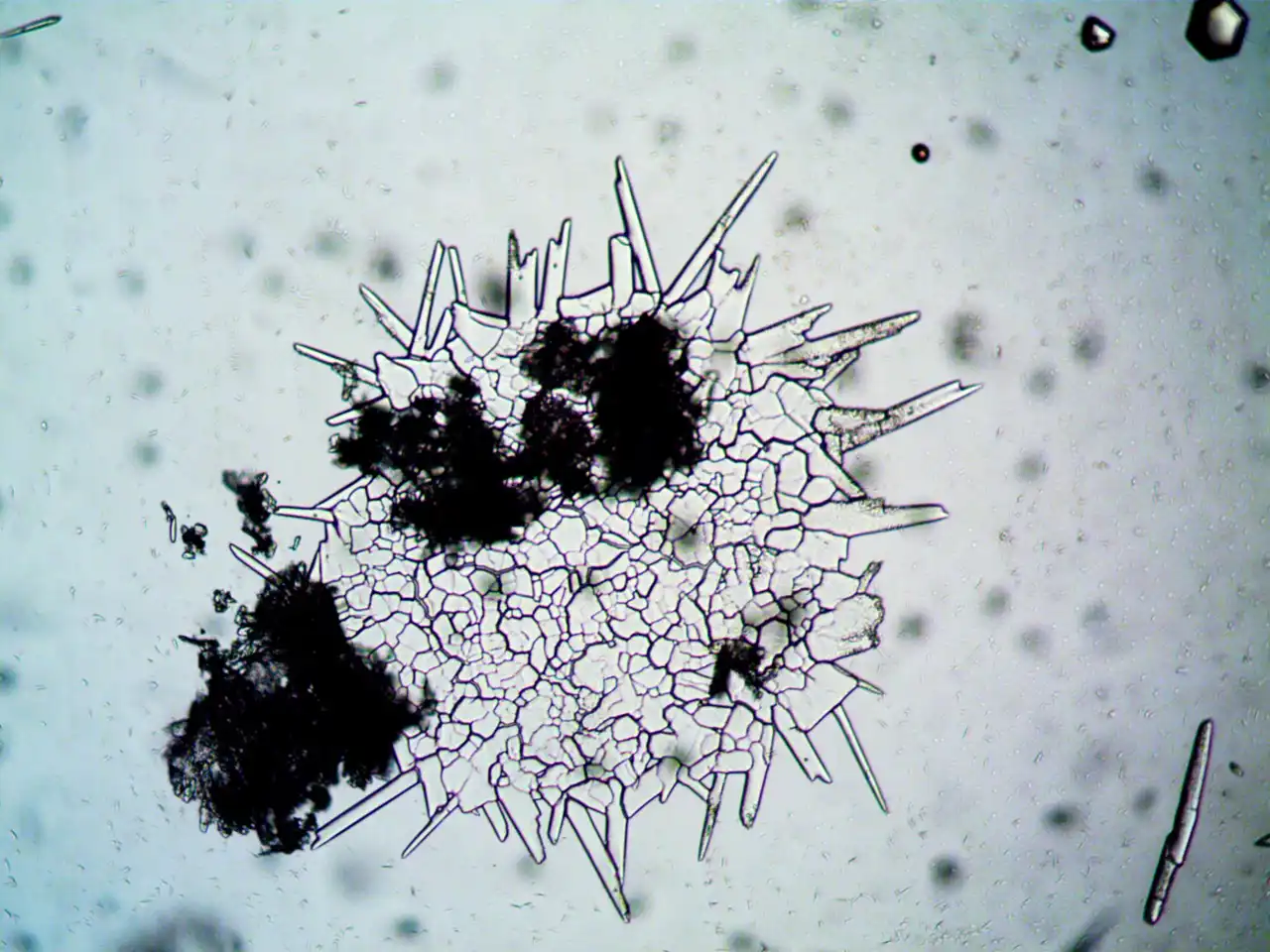
Before we quote encapsulation, we test. Air and surface samples tell us whether the crawl space has an active mold problem or just high humidity. That distinction changes the scope and the price, so we never skip it.
View service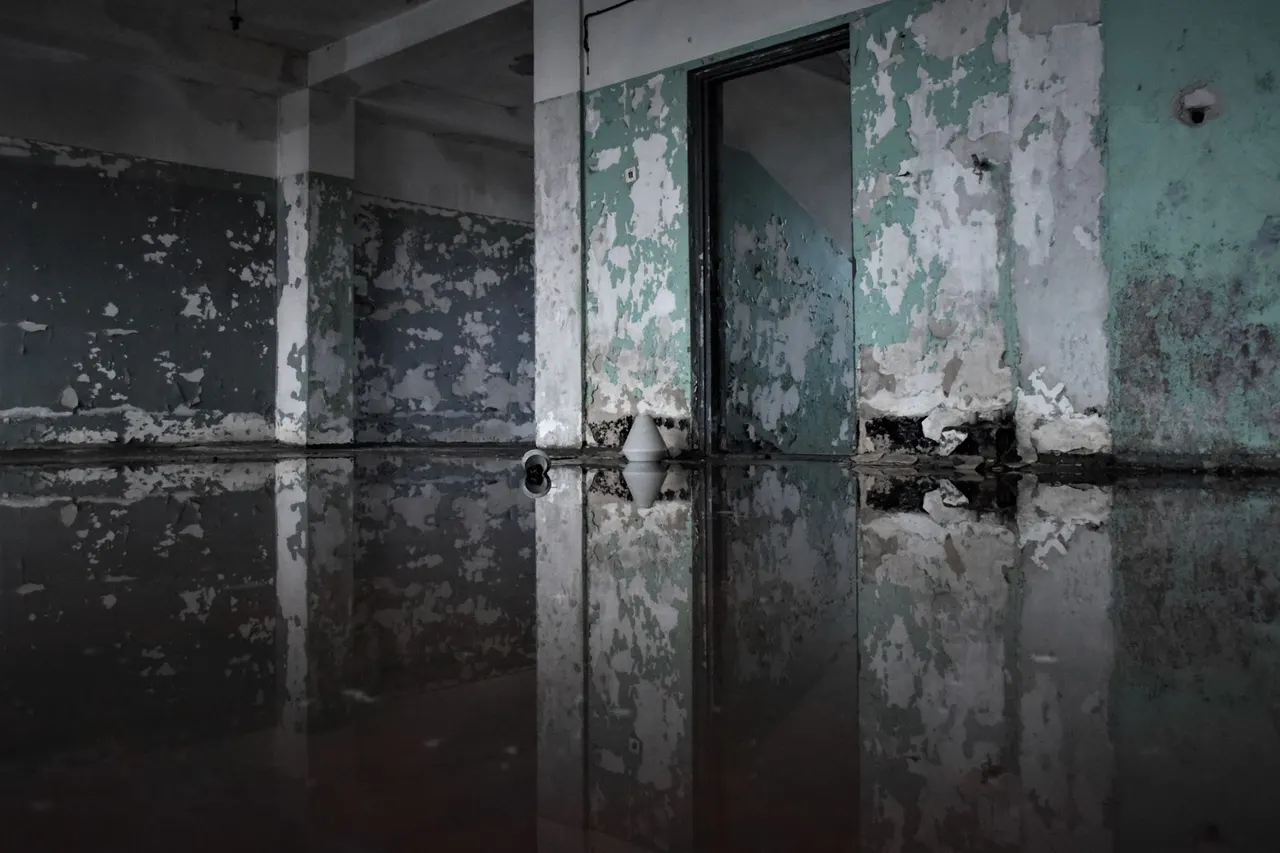
Crawl spaces with visible growth need full removal before encapsulation. We HEPA-vac surfaces, treat framing with antimicrobial spray, and dispose of contaminated debris so the new vapor barrier sits over clean wood.
View service
When a supply line bursts or a storm pushes water into your crawl space, mold can start in 24 to 48 hours. We respond fast, dry the space, and then encapsulate once moisture readings are back in range.
View service
Call (772) 477-0320 any time, day or night. We answer live and dispatch same-day for mold inspections and emergency remediation across Fort Pierce. If you prefer email, send photos and your address to info@coveguardmoldsolutions.com and we will follow up within one business hour.