Focused arrival windows
Useful updates and clear arrival timing.
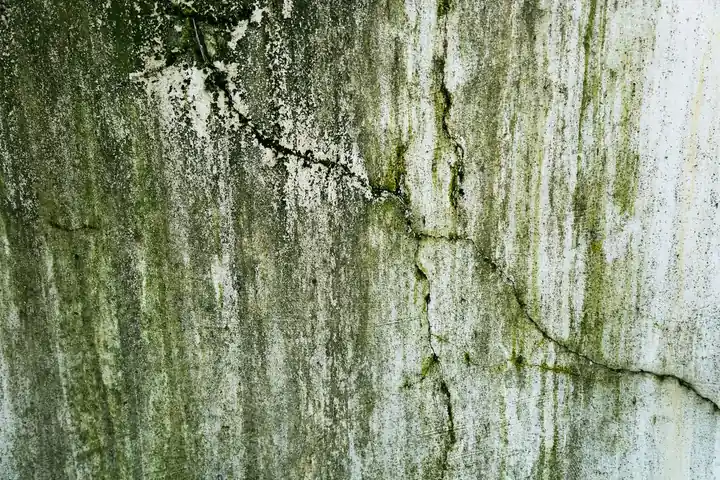
Black Mold Remediation in Marina District starts with finding the moisture source, not just spraying bleach on the wall. CoveGuard Mold Solutions handles mold inspection and removal across Marina Way, Harbor Drive, and the 34950 ZIP, where salt air and waterfront humidity push indoor moisture past 60% most of the year. We test, contain, remove, and verify clearance so the mold does not come back with the next rain.
Useful updates and clear arrival timing.
Review the approach and price before deciding.
Equipped vehicles and respectful cleanup.
Neighbors serving neighbors with follow-through.
Black Mold Remediation in Marina District is the process of locating mold growth, removing it, and correcting the moisture that feeds it. That definition matters here because Marina District sits right on the water, and the combination of salt air, older buildings, and flood-prone areas means moisture problems show up fast. CoveGuard Mold Solutions works Marina District Main, Marina Way, and Harbor Drive every week, and we know the difference between a surface stain and active black mold growth behind drywall. We run moisture meters and thermal imaging cameras before we quote anything, because guessing costs you money. If you need mold removal in Marina District, we handle inspection, containment, removal, and post-remediation verification under one roof. We are licensed and insured in Florida, we work with St. Lucie County property owners on insurance claims, and we answer the phone at 2 a.m. when a pipe lets go.
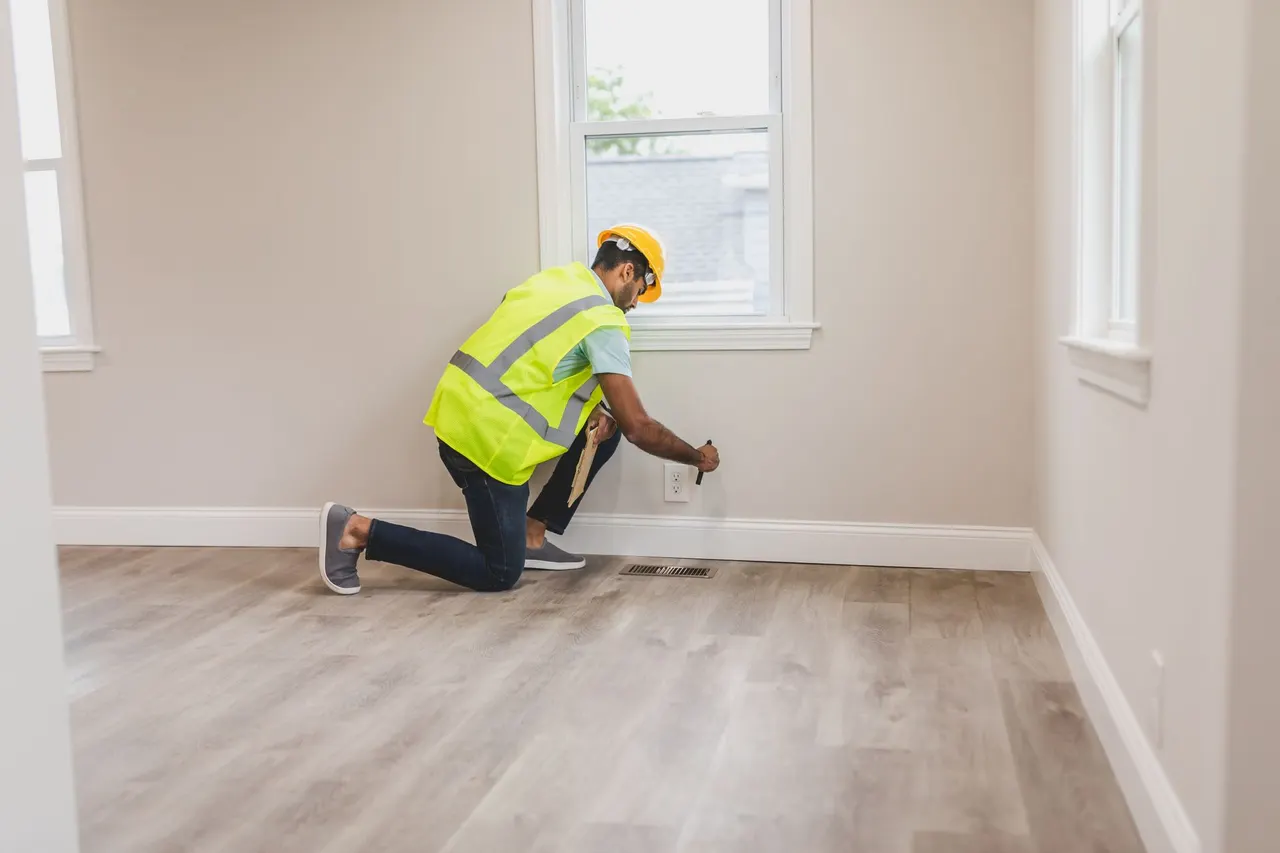
Marina District mold remediation demand runs year-round, but it spikes after summer storms and during the humid stretch from June through September. Waterfront humidity and older building stock mean we see more crawl space and HVAC mold contamination here than in inland parts of St. Lucie County. If you are searching for Black Mold Remediation in Marina District FL near me, we cover the full scope, from inspection to clearance testing.
Full-scope black mold growth removal for Marina District homes and businesses. We contain the work area with plastic sheeting, run a negative air machine and air scrubber, remove contaminated materials, and treat framing with antimicrobial spray. Common in older buildings near Marina Square where plumbing leaks have gone unnoticed.
View service →02We inspect Marina District properties with a moisture meter, thermal imaging camera, and boroscope inspection camera to find hidden mold behind drywall and inside wall cavities. Air and surface samples confirm species and spore counts before any removal begins. Essential for waterfront condos on Harbor Drive with recurring musty odors.
View service →03Physical removal of mold-damaged drywall, insulation, and wood, followed by HEPA vacuuming and antimicrobial treatment. In Marina District, this often means cutting out the lower 24 inches of drywall in flood-prone ground-floor units near the marina. We bag and dispose of all contaminated material per Florida guidelines.
View service →04When a pipe bursts or a storm pushes water into your Marina District property, mold can start within 24 to 48 hours. We respond 24/7 with extraction equipment, Dri-Eaz dehumidifiers, and Phoenix Restoration air movers to dry the structure before mold takes hold. Priority given to flood-prone areas near Fisherman's Wharf.
View service →05Single-family homes, condos, and townhomes throughout Marina District Main and Marina Way. We handle attic, bathroom, kitchen, and crawl space mold in one visit where possible. Salt air and high humidity make annual moisture checks worthwhile for waterfront residences in the 34950 ZIP.
View service →06Restaurants, retail, and office space near Marina Square and the marina district commercial strip. We schedule after-hours work to avoid disrupting business, contain the area with plastic sheeting, and document everything for your insurance claim. HVAC mold contamination is the most common commercial call here.
View service →07Attic mold in Marina District usually traces to roof leaks or poor ventilation pulling humid salt air into the space. We inspect with a boroscope, remove affected insulation, treat roof decking with antimicrobial spray, and improve ventilation. Common in older homes near Harbor Drive with original roof penetrations.
View service →08Basements are less common in Marina District, but below-grade storage and utility rooms in older waterfront buildings do flood. We extract standing water, dry the space with dehumidifiers, remove mold-damaged materials, and install vapor barrier where needed to stop recurrence.
View service →09Crawl space moisture is one of the biggest mold drivers in Marina District. High water tables and flood-prone areas keep these spaces damp. We remove mold growth, replace fallen insulation, install encapsulation vapor barrier, and add a dehumidifier to hold humidity below 55%.
View service →Execution in Marina District looks different from inland jobs because of waterfront humidity, salt air, and older building stock. We start every job with a moisture meter and thermal imaging camera survey to map the actual extent of black mold growth, then set containment with plastic sheeting and duct tape, and run a negative air machine with HEPA filters to keep spores out of the rest of your home. Demolition follows: we remove mold-damaged drywall, insulation, and flooring, HEPA vacuum all surfaces, and treat framing with antimicrobial spray. Drying comes next, using Dri-Eaz dehumidifiers and Phoenix Restoration air movers until moisture readings match dry standard. For crawl spaces, we install encapsulation vapor barrier and a dehumidifier set to hold humidity below 55%. If you need same-day mold cleanup in Marina District, call before noon and we can usually be on site the same day. We schedule around condo association rules near Marina Square and coordinate parking on Marina Way so equipment does not block neighbors.
Indoor humidity in Marina District often sits above 60% without mechanical drying, which keeps surfaces damp and lets mold growth restart within weeks of a cleanup. Standard inland drying times do not work here. We run dehumidifiers longer and verify with moisture meters before removing equipment. For recurring problems, we install a hardwired dehumidifier with a condensate line so humidity stays below 55% without you emptying a bucket.
Many buildings near Marina Square and Fisherman's Wharf predate modern moisture codes. Supply lines fail, shower pans leak, and crawl spaces have bare dirt floors that push ground moisture straight into the structure. We use a boroscope inspection camera to check wall cavities without full demolition, repair or flag the leak, then install encapsulation vapor barrier in the crawl space. That combination stops the source instead of just cleaning the mold.
Storm surge and heavy rain push water into ground-floor units and crawl spaces in the 34950 ZIP. Mold can start within 24 to 48 hours of a flood event, faster in summer heat. We prioritize flood-prone addresses for emergency response, extract standing water immediately, and dry the structure with air movers and dehumidifiers. We cut out the bottom 24 inches of drywall where floodwater contacted it, since that material rarely dries clean.
Florida requires a state license to perform mold assessment and remediation for compensation. We hold the MRSA license, which means our inspection findings and clearance reports carry legal weight with St. Lucie County property records and insurance adjusters.
The IICRC S520 sets the industry standard for containment, removal, and verification. We follow it on every Marina District job, which is why our clearance testing uses air and surface samples compared against outdoor baseline rather than a visual pass.
Exhaust fans, crawl space vents, and vapor barriers must meet Florida Building Code. When we correct bathroom or kitchen ventilation in Marina District homes, we bring it to current code so humid air actually leaves the building instead of venting into the attic.
Marina District mold problems trace back to three things: waterfront humidity, salt air, and older buildings. Those factors combine to create recurring issues we see on almost every route. If you need affordable mold removal in Marina District, understanding the cause matters as much as the cleanup.
High water tables and flood-prone areas keep crawl spaces damp, and many older Marina District buildings have bare dirt floors with no vapor barrier. Ground moisture rises into the structure and mold grows on joists and insulation. We remove the mold, replace fallen insulation, install encapsulation vapor barrier, and add a hardwired dehumidifier set below 55%. That combination addresses the source instead of just cleaning the surface.
Salt air and high humidity make air handlers and ductwork prime growth spots. Once mold establishes on the coil or plenum, every cooling cycle pushes spores through the building. We clean the air handler and coils, treat the plenum with Benefect or Concrobium, clean the ducts with a negative air machine and HEPA vacuum, and replace filters. We also check for the moisture source feeding the system.
Older supply lines and shower pan liners fail quietly in Marina District buildings. Water sits inside the wall cavity, drywall looks fine on the surface, and mold grows on the back of the board and the framing. We use a thermal imaging camera and boroscope inspection camera to find the leak and map the mold without tearing out more wall than necessary. Then we repair the leak, remove affected material, and treat the framing.
Original roof penetrations fail on older Marina District homes, and attic ventilation that does not meet current Florida Building Code pulls humid outside air into the space. The result is mold on roof decking and trusses. We find the leak with a moisture meter and boroscope, repair the roof penetration, remove mold-damaged insulation, treat the decking with ShockWave, and correct ventilation so the attic stays dry.

Typical 2026 pricing for Black Mold Remediation in Marina District runs $1,500 to $6,500 for residential jobs, depending on how much mold-damaged material has to come out. A small bathroom or attic job with limited growth often lands near the low end. Crawl space encapsulation with a dehumidifier, or a flood-damaged ground-floor unit with multiple rooms affected, pushes toward the high end. Emergency calls after hours add a response premium. We give you a written estimate after the inspection, not over the phone, because the scope depends on what we actually find behind the walls. Insurance often covers storm and plumbing-related mold, and we document the claim for you.
Mold in one bathroom is a different job than mold across three rooms and a hallway. In Marina District, flood-damaged ground-floor units often need the bottom 24 inches of drywall removed across multiple walls, which raises material and labor cost.
Crawl spaces with low clearance, attics with limited access, and condo buildings with strict association rules all slow the job down. On Marina Way, we sometimes need to schedule equipment staging around parking restrictions, which adds time.
If the mold came from a failed supply line, roof leak, or missing vapor barrier, that source has to be fixed or the mold returns. Leak repair, vapor barrier installation, or encapsulation adds to the total but prevents a repeat call next season.
Marina District is compact but the waterfront layout can slow you down if you do not know it. We use Fort Pierce City Marina as our main orientation point, then route along Marina Way and Harbor Drive depending on which side of the district the job is on. Marina Square is a common meeting spot for commercial clients, and Fisherman's Wharf marks the flood-prone end where we stage storm equipment. Knowing these landmarks means we give accurate arrival times instead of guessing.
Our primary orientation point for the district. Addresses north and east of the marina are reached via Marina Way, while waterfront properties to the south are faster from Harbor Drive. This split determines our route.
A central commercial and gathering area we use as a meeting point for commercial clients and as a route marker for the surrounding blocks. Parking access here is easier than on the residential streets.
Marks the flood-prone end of the district. We use it as a staging reference during storm events and to route around the working waterfront when equipment trucks need clearance.
A walkable cluster of shops, restaurants, and offices near the waterfront. We schedule commercial remediation here after hours to avoid disrupting business and coordinate with building management on access and containment.
The main north-south route through the district. We use it to reach most addresses quickly, though parking can be tight, so we confirm equipment staging before arrival.
We cover the full Marina District service area, from the waterfront streets to the inland blocks of the 34950 ZIP. Response times run 30 to 60 minutes for most addresses, faster for emergency calls near the marina. Here is what we see in each area.
The core of the district, closest to the waterfront. Salt air and high humidity here keep surfaces damp, and many buildings have older plumbing. Crawl space moisture and HVAC mold contamination are the most common calls we get from this area. Our closest route stop. Typical arrival is 30 minutes or less for emergency calls.
A mix of condos and small commercial buildings. We see bathroom mold from exhaust fans venting into attics and kitchen mold from slow leaks under sinks. Condo association rules mean we coordinate access and parking before we bring in equipment. On our daily route. Expect 30 to 45 minutes for standard calls, faster for emergencies.
Waterfront residential street with older single-family homes. Roof leaks and attic mold are common because original roof penetrations fail and humid air gets pulled into the attic. We often combine attic remediation with ventilation corrections here. 15 minutes from our staging point. Emergency response is usually under 30 minutes.
Flood-prone blocks near the working waterfront. Ground-floor units and crawl spaces take on water during storms, and mold can start within 48 hours. We keep extraction and drying equipment ready for this area during hurricane season. Priority zone for storm response. We stage equipment nearby when a system is forecast.
These are real job patterns from Marina District, with the numbers we recorded on site. They show what remediation actually involves here and what results look like after clearance testing.
A ground-floor condo near Fisherman's Wharf took on water during a summer storm. The owner noticed a musty odor and dark staining on the baseboards two weeks later. We extracted residual moisture, set containment, and removed the bottom 24 inches of drywall in two rooms. Framing was HEPA vacuumed and treated with antimicrobial spray. We ran Dri-Eaz dehumidifiers for three days and installed a small hardwired dehumidifier to hold humidity below 55%. Clearance testing came back at outdoor baseline spore counts. Total job took four days, and the owner's insurance covered most of the cost after we documented the storm-related water intrusion.
An older home on Harbor Drive had a slow roof leak that fed attic mold for months. The homeowner smelled mustiness in an upstairs bedroom but saw no visible growth. A boroscope inspection camera found mold on the roof decking and two trusses. We removed affected insulation, treated the decking with ShockWave, corrected the roof penetration, and improved attic ventilation to stop humid air from being pulled in. Attic moisture readings dropped from 22% to 11% over five days. Post-remediation air samples cleared on the first test, and the musty odor was gone.
A restaurant near Marina Square had HVAC mold contamination that was spreading a musty smell through the dining room. Staff complained of headaches during shifts. We cleaned the air handler and coils, treated the plenum with Benefect, cleaned the ductwork with a negative air machine and HEPA vacuum, and replaced all filters. Work was scheduled after closing so the restaurant never missed a service. Air samples inside the dining room matched outdoor baseline within 48 hours. The owner reported the odor gone and no further staff complaints.
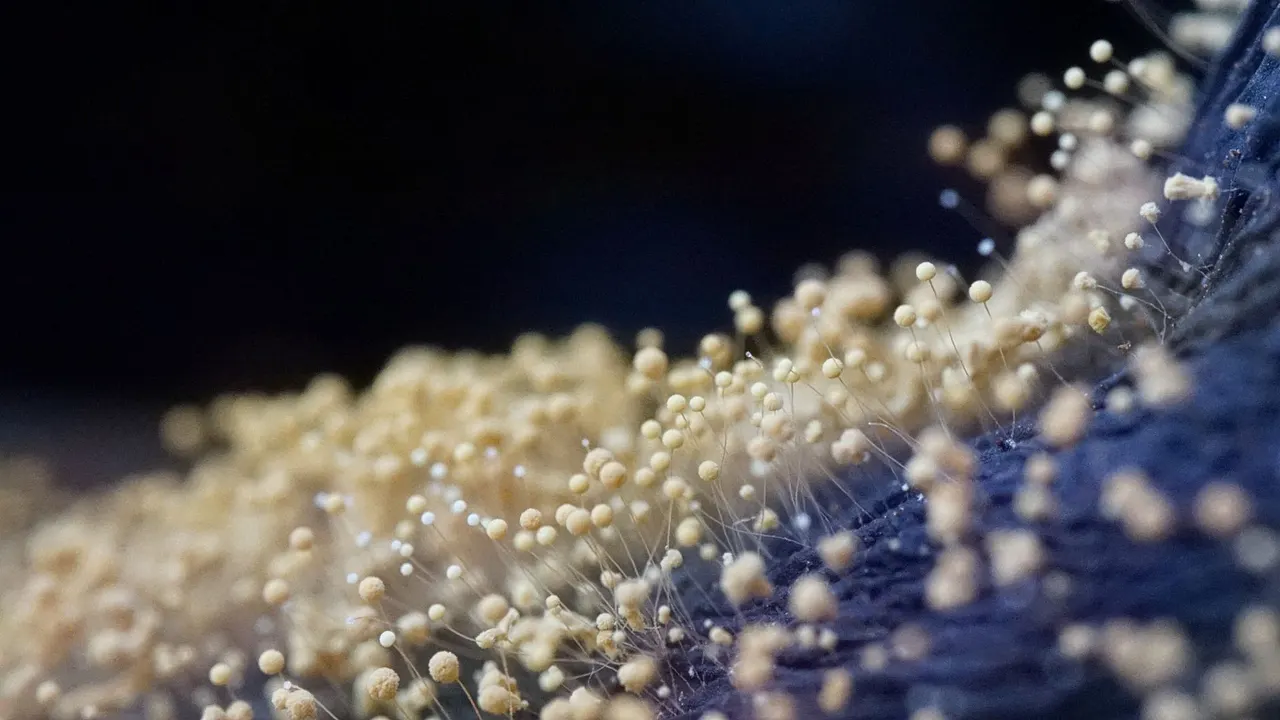
We had mold behind the drywall in our condo near Marina Way and did not know where it was coming from. CoveGuard found the leak with a thermal camera, fixed it, and removed the mold in three days. They showed me the moisture readings before and after. No musty smell since.
Storm flooding pushed water into our ground-floor unit near Fisherman's Wharf and mold started fast. They came out the same day, extracted the water, and cut out the wet drywall. Handled the insurance paperwork with us. Clearance test passed on the first try.
Our attic had mold from a roof leak we did not know about. They used a camera to find it without tearing up the whole ceiling, treated the wood, and fixed the ventilation. Took five days total. Fair price and they cleaned up after themselves.
Marina District mold is a year-round concern, but the triggers change with the season. Waterfront humidity never really drops, so the question is what is adding moisture on top of it. Here is what we see across the calendar and what you should do about it.
Spring rains and rising temperatures wake up mold that sat dormant through winter. Crawl spaces and attics that stayed damp all winter start showing growth, and musty odors become noticeable.
Peak mold season in Marina District. High humidity, afternoon storms, and air conditioning running hard create ideal conditions. HVAC mold contamination and storm-related water intrusion drive most of our summer calls.
Hurricane season runs through November, so flood risk stays high into fall. When temperatures start to drop, condensation forms on cool surfaces and can feed mold in attics and unheated spaces.
Mold growth slows but does not stop in Marina District. Cooler air holds less moisture, but indoor heating and closed windows trap humidity inside. Crawl spaces stay damp from ground moisture regardless of season.
Marina District sits within a compact service region, and we cover the surrounding communities from the same staging point. If you are just outside the district line, we likely serve you too. Here is how the nearby areas connect.
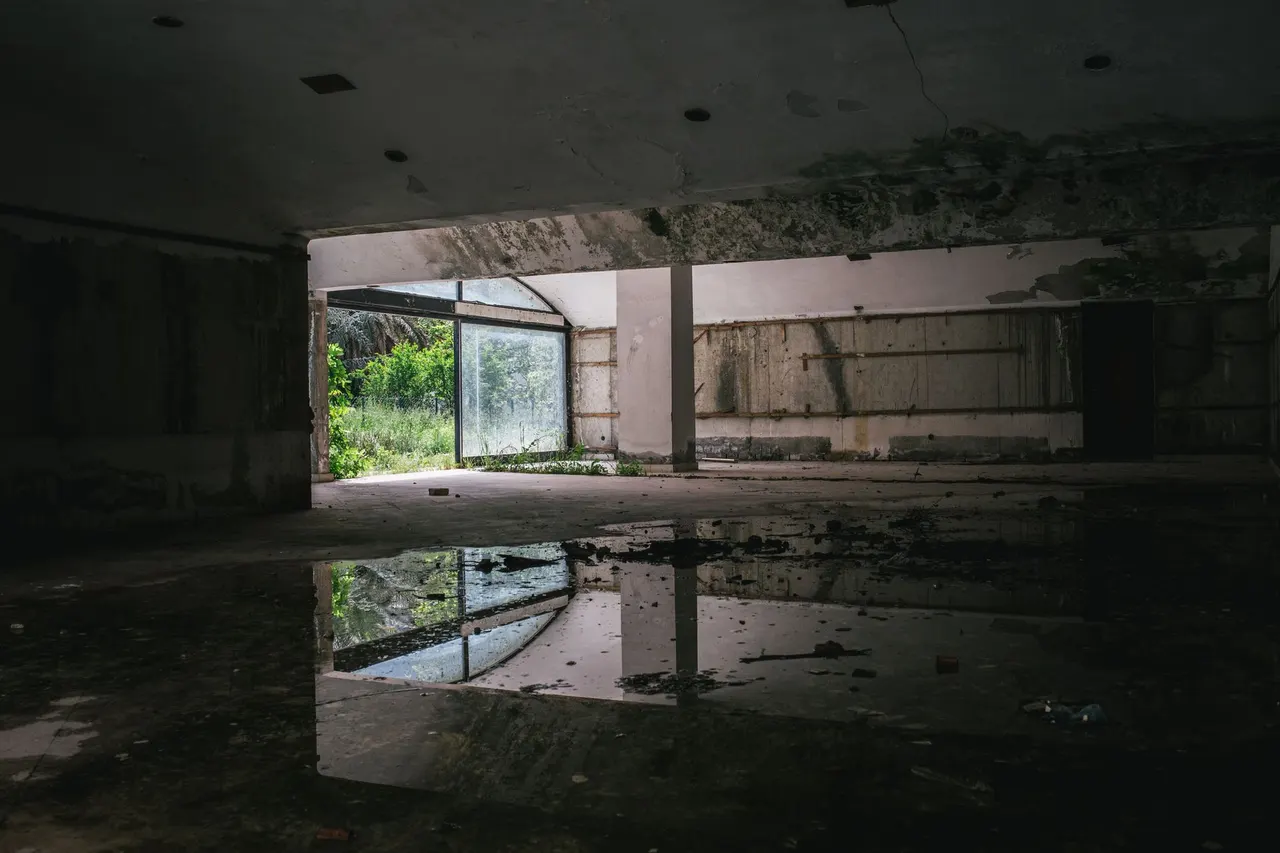
Just west of Marina District. Many of our Marina District customers originally found us through downtown water damage calls, and we cover both areas on the same route.
Local coverage and details
A short drive inland from Marina District. Older housing stock there produces similar plumbing-leak mold calls, and we serve it from the same staging area.
Local coverage and details
Adjacent to downtown and close to Marina District. Commercial and mixed-use buildings there need the same HVAC mold and moisture control work we do near Marina Square.
Local coverage and details
South along the waterfront. Shares the same salt air and humidity profile as Marina District, so crawl space and attic mold calls look nearly identical.
Local coverage and detailsNot every company that advertises mold removal in Marina District does the work the same way. Some spray and walk away. Some skip clearance testing. Asking the right questions before you sign separates a contractor who fixes the problem from one who sells you a repeat visit.
Florida requires a Mold-Related Services License (MRSA) to perform mold assessment and remediation for pay. A licensed contractor's reports carry weight with insurance adjusters and property records. An unlicensed operator leaves you exposed.
Pre-testing confirms what species you have and where it is. Post-remediation clearance testing proves the job worked. A company that skips the after-test has no way to show the mold is actually gone.
Mold needs water. If the contractor does not find and fix the leak, vapor barrier gap, or ventilation problem feeding it, the mold returns. Ask what tools they use: moisture meter, thermal imaging, boroscope.
Storm and plumbing-related mold is often covered, but claims need photos, moisture readings, and a scope of work. A contractor who documents properly makes your claim easier to approve. Ask before work starts.
A warranty should cover mold returning at the same location if the moisture source was properly fixed. Ask how long it lasts and what triggers a callback. Get it in writing before you sign.
IICRC
IICRC
American Council for Accredited Certification
U.S. Environmental Protection Agency
$2M general liability plus workers' compensation
Member
Member
Sponsor
Most residential jobs in Marina District run $1,500 to $6,500 in 2026. A single bathroom or small attic job with limited growth sits near the low end. Crawl space encapsulation with a dehumidifier, or a flood-damaged ground-floor unit, pushes toward the high end. We give you a written estimate after inspecting the property, because the scope depends on what is behind the walls.
The best company is the one that tests before and after, finds the moisture source, and holds a Florida MRSA license. Ask any contractor for their license, their clearance testing process, and whether they document for insurance. We do all three, and we serve Marina District Main, Marina Way, and Harbor Drive on a regular route.
Storm flooding and sudden plumbing failures are often covered by homeowner's insurance in Florida. Long-term neglect and gradual leaks usually are not. We document every Marina District job with photos, moisture readings, and a scope of work so your adjuster has what they need. We can bill directly where your carrier allows.
Yes. We answer the phone 24/7 and respond to emergency Black Mold Remediation Marina District calls around the clock. Flood-prone blocks near Fisherman's Wharf get priority during storm events, and we stage equipment nearby when a system is forecast. Call before noon for same-day standard service.
Most residential jobs take three to five days from containment to clearance testing. A small bathroom or attic job can finish in two days. Flood-damaged units with multiple rooms affected may run a week, mostly because drying takes longer in waterfront humidity. We give you a timeline after the inspection, not before.
Not seeing your question? Our local team can help you understand urgency, scheduling and what to expect.
Ask the local team
Call (772) 477-0320 any time, day or night. We answer live and dispatch same-day for mold inspections and emergency remediation across Fort Pierce. If you prefer email, send photos and your address to info@coveguardmoldsolutions.com and we will follow up within one business hour.