Focused arrival windows
Useful updates and clear arrival timing.
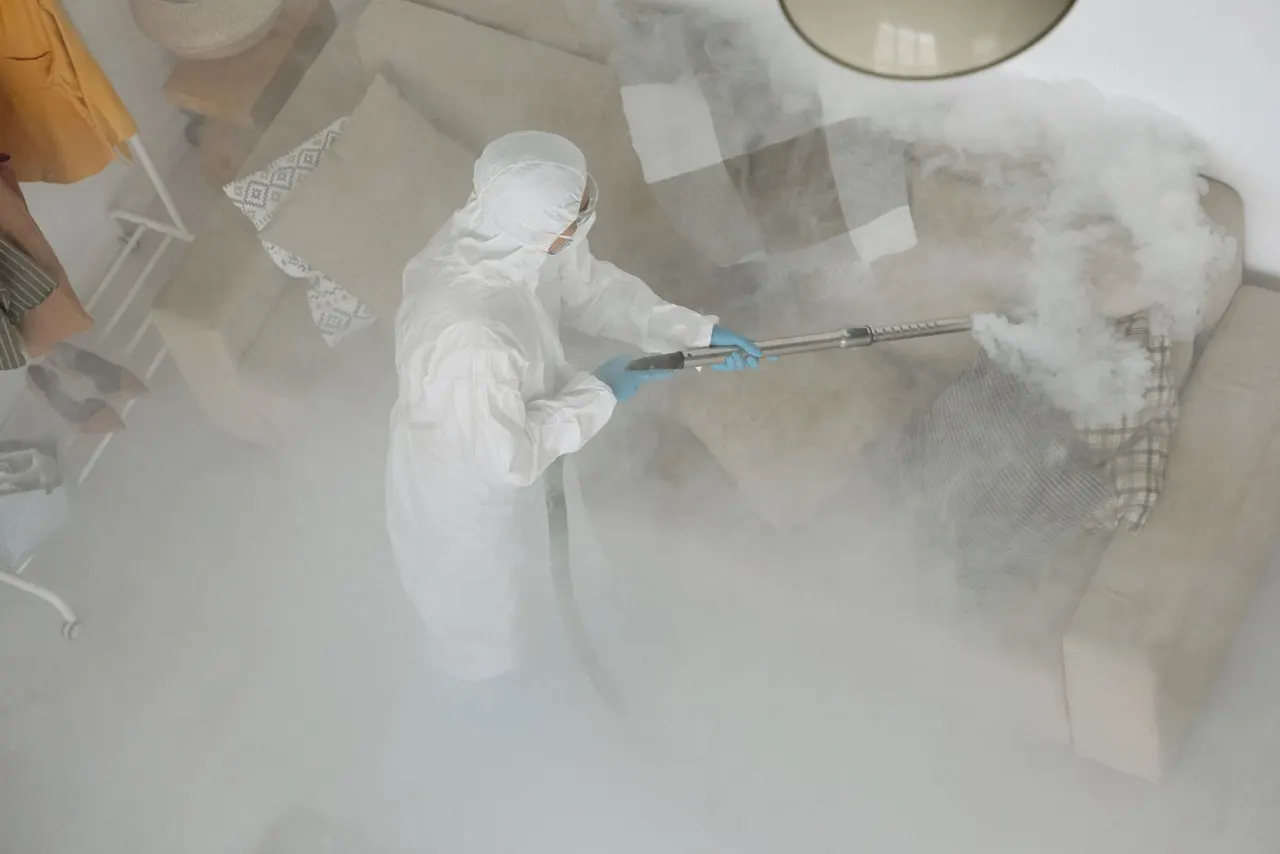
Upholstery Mold Removal Fort Pierce FL is a deep-clean and treatment service for sofas, mattresses, dining chairs and cushions that have taken on black mold growth, musty odors or water damage. We handle homes and rentals across St. Lucie County, from Downtown Fort Pierce to Hutchinson Island. If your couch smells like a wet basement, we pull the mold out of the foam and fabric instead of masking it with perfume.
Useful updates and clear arrival timing.
Review the approach and price before deciding.
Equipped vehicles and respectful cleanup.
Neighbors serving neighbors with follow-through.
Every upholstery job includes inspection, containment, HEPA vacuuming, antimicrobial treatment, extraction and controlled drying. If the loss traces back to a leak, we also document the source for your insurance file. Add-ons like carpet cleaning, HVAC treatment or drywall repair are quoted separately so you only pay for what your home actually needs.
We read the fabric and foam with a moisture meter, check the frame and floor beneath, and photograph everything. You get a clear picture of how far the water traveled before we start cleaning.
Plastic sheeting and a negative air machine keep spores from spreading to the rest of the house while we work. This is the step that separates remediation from a wet-vac and a prayer.
We pull loose colony off the surface with a HEPA vacuum, then apply an antimicrobial spray and work it into the seams with a fogger. Fabric gets tested for colorfastness first.
We extract the treatment slurry and set a Dri-Eaz dehumidifier with an air scrubber running until the foam reads dry, usually 24 to 48 hours. We come back to verify before we call it done.
You get photos, moisture readings and a plain-language summary of what we did. If you are filing a claim, that document is what your adjuster needs to process the loss.
Share what is happening and receive a clear next step from the local team.
Upholstery Mold Removal Fort Pierce FL is a fabric and foam remediation service that extracts mold colonies, spores and the moisture feeding them from sofas, sectionals, mattresses, headboards and dining cushions. We start with a boroscope inspection camera and a moisture meter to read how deep the water has wicked into the batting. From there we HEPA vacuum the surface, apply an antimicrobial spray, and run a fogger to reach the seams and piping where mold hides. Every job ends with a dehumidifier and air scrubber pulling the room back to a safe humidity level.
Fort Pierce sits in one of the most humid pockets of Florida, and that humidity is what drives most of our upholstery calls. A slow AC drain pan leak, a storm-driven window leak, or a couch left on a screened porch through a wet summer all feed black mold growth inside the foam. We see it constantly in River Park bungalows and Hutchinson Island condos. If you have been searching upholstery mold cleanup near me Fort Pierce and finding nothing but carpet cleaners, this is the service you actually need.
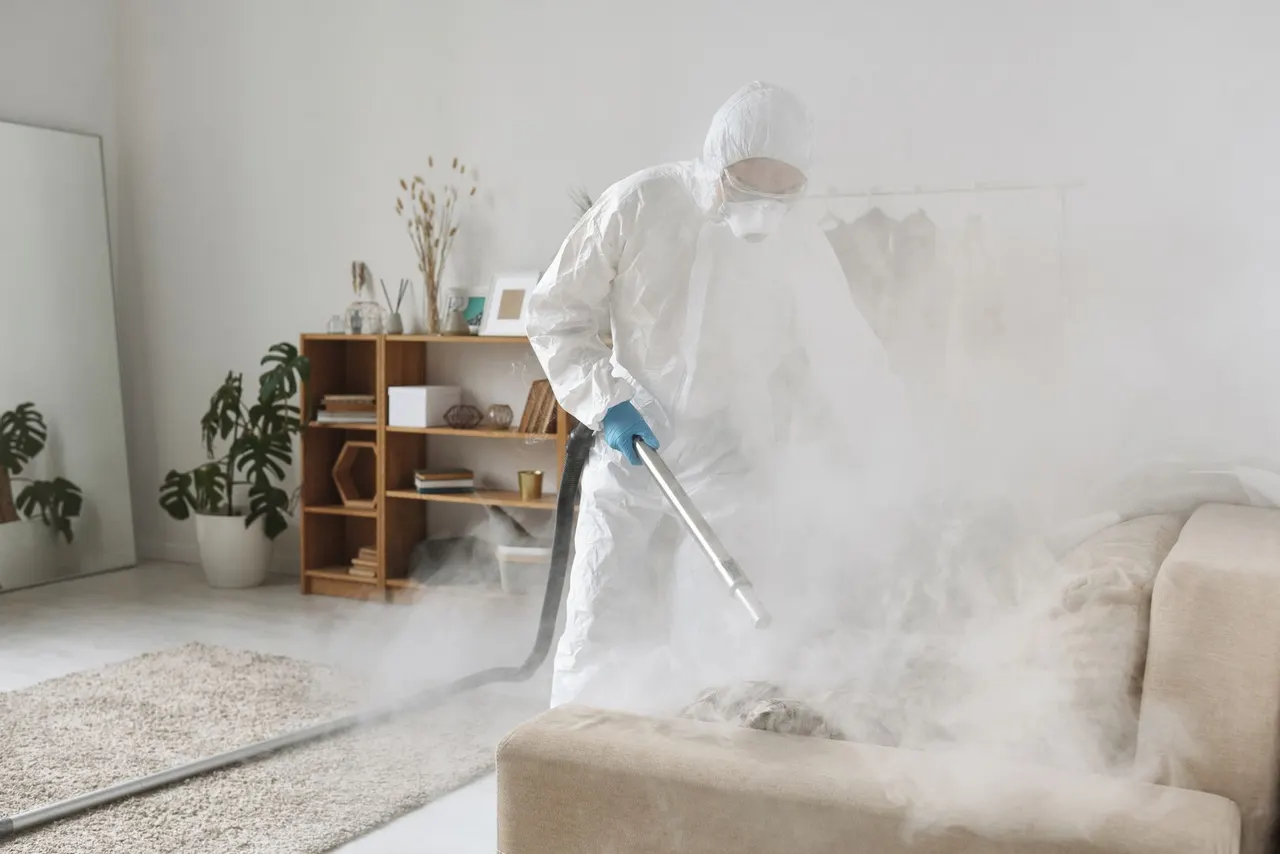
You describe the piece, the smell and what got it wet. We ask about the leak source, how long the fabric has been damp, and whether anyone in the house has allergies. That call takes five minutes and tells us whether to bring a fogger or just a HEPA vacuum and spray rig.
A technician arrives with a moisture meter and thermal imaging camera. We map the wet zone, check the frame and the floor beneath, and photograph everything for your records. If we find hidden mold behind drywall or in the HVAC, we flag it before we start cleaning upholstery.
We lay plastic sheeting and set a negative air machine so spores do not spread through the house. Then we HEPA vacuum the entire surface, seams and underside. This step removes the loose colony before any liquid touches the fabric, which is the mistake most DIY attempts make.
We apply an antimicrobial spray, work it into the foam with a fogger, and extract the slurry. Stubborn staining gets RMR-86 or ShockWave, depending on fabric type. We test colorfastness on a hidden seam first. Cushions get flipped and treated on both faces.
A dehumidifier and air scrubber run until the foam reads dry on the moisture meter, usually 24 to 48 hours. We return, re-check, and hand you photos plus a written summary you can send to your insurance adjuster if the loss is claimable.
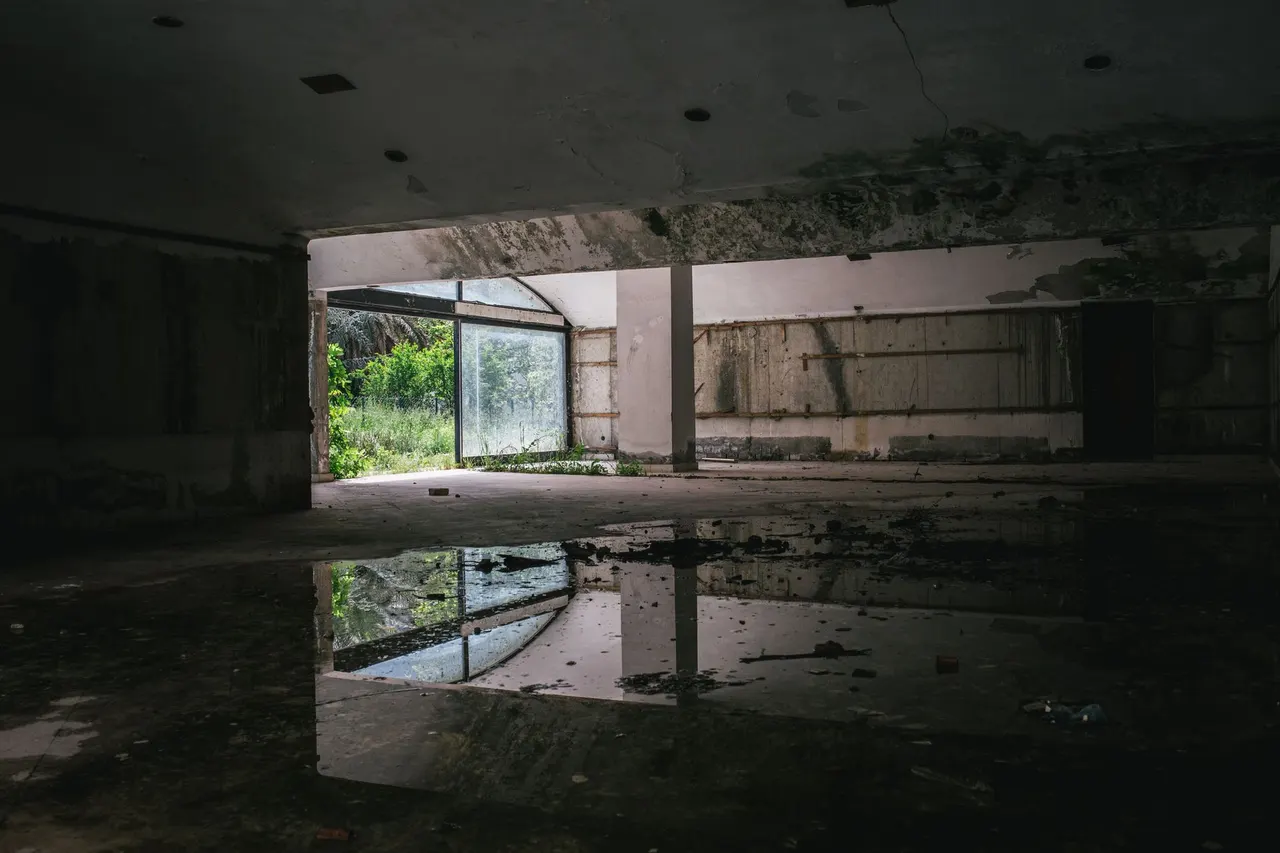
Reads water content in fabric and foam so we know how deep the moisture reached. We use it before treatment and again at the final verification visit.
Finds hidden moisture behind the sofa, in the wall and under the floor. It shows us the leak path without cutting anything open.
Removes loose mold spores from the fabric surface without blowing them into the air. This is the first physical step on every upholstery job.
Creates negative pressure in the work zone so spores travel out through a HEPA filter instead of into the rest of your home.
Runs continuously during and after treatment to capture airborne spores and particulate. We leave it running through the drying phase.
Pulls moisture out of foam and the surrounding room. We use Dri-Eaz and Phoenix Restoration units sized to the space.
Delivers antimicrobial spray into seams, piping and the foam core where a spray bottle cannot reach. Essential for deep-set colonies.
The industry standard for mold remediation, covering containment, HEPA filtration, removal and verification. We follow it on upholstery the same way we do on drywall, because fabric releases spores when disturbed.
Dry removal first, liquid second. Wetting a moldy surface before vacuuming drives spores deeper and spreads the colony. This order is non-negotiable on every job.
We use botanical and EPA-registered antimicrobials matched to the fabric type. Benefect is our default for natural fibers; Concrobium for synthetic blends. Both are applied after extraction to leave residual protection.
We dry to a moisture reading, not a clock. The job is done when the meter says the foam is dry and the air scrubber has run its cycle, usually 24 to 48 hours after treatment.
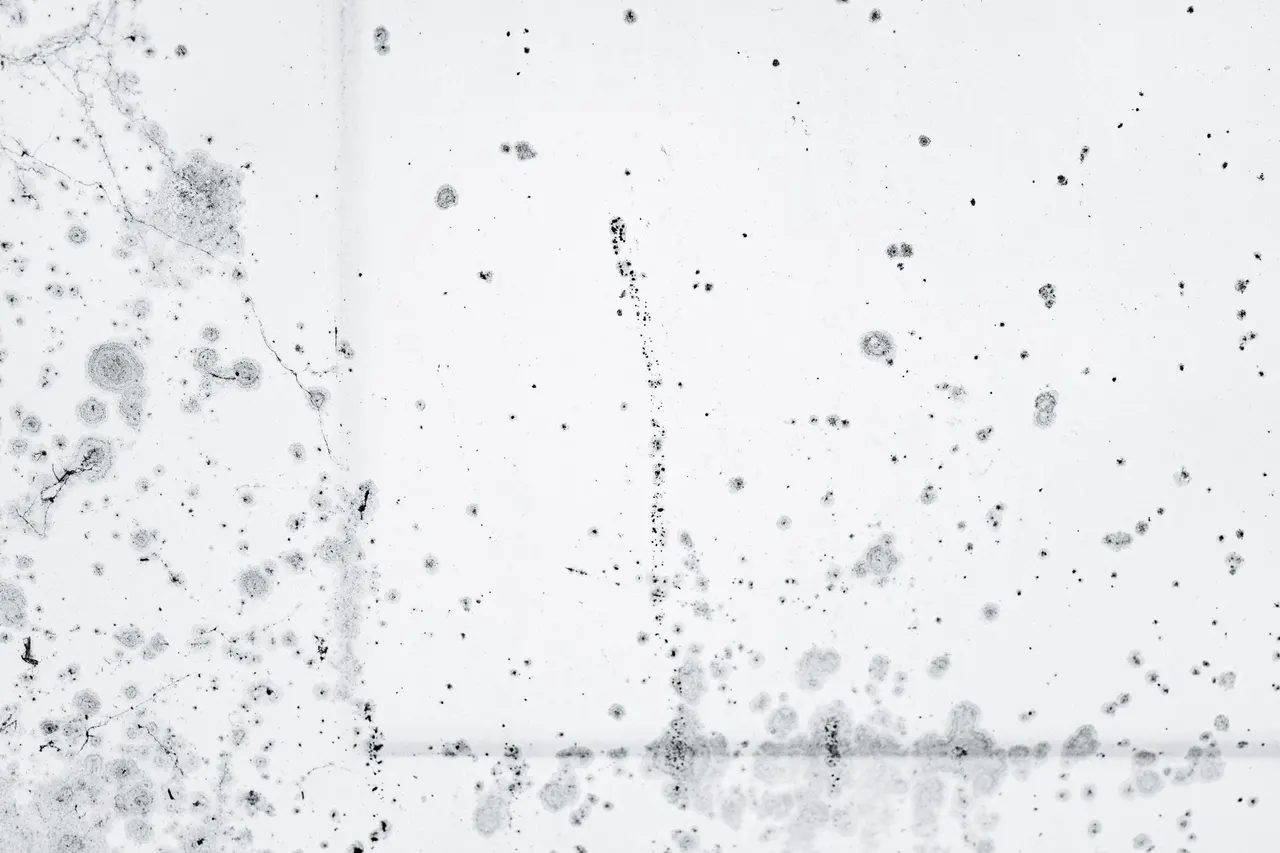
We extract the water, set drying equipment, treat the foam with antimicrobial spray, and document the loss with photos and moisture readings your adjuster can use. Same-day response is standard when you call before mid-afternoon. You get a dry, treated sofa and a paperwork trail that supports your claim instead of a piece you have to throw out.
We inspect with a boroscope camera, confirm whether the mold is surface-level or in the foam, and treat accordingly. If it is only surface mold, the job is quick and cheap. If it is deep, we tell you before you spend money. You know exactly what you bought and whether it is salvageable, usually within a two-hour visit.
We handle the upholstery, carpet and any affected drywall in one scope, then provide a written summary and post-remediation verification. Landlords use that document to close the issue with the tenant. The unit passes a clearance check and you have documentation showing the mold was properly remediated.
We test the air and the fabric, treat the upholstery with Benefect and Concrobium, run an air scrubber, and check the HVAC for contamination. If the ducts are feeding the problem, we address that too. Indoor air quality improves measurably, and the furniture stops triggering symptoms.
Fort Pierce humidity averages above 70 percent for most of the year, and that is the single biggest driver of upholstery mold we see. Add the afternoon thunderstorms from May through October and the occasional tropical system, and furniture near windows, sliders and screened porches takes on water regularly. Older homes in River Park and Downtown Fort Pierce often have original jalousie windows and aging AC drain lines, both of which drip onto upholstery slowly enough that you do not notice until the smell shows up. Barrier island condos on Hutchinson Island deal with salt air and closed-up units that trap moisture. We run dehumidifiers sized for the room, not a one-size unit, because a 400-square-foot condo and a 2,000-square-foot house dry at completely different rates. If you need sofa and mattress mold removal Fort Pierce FL on short notice, call (772) 477-0320 and we will confirm a window the same day.
Older bungalows with original windows and crawl spaces. We frequently find upholstery mold tied to crawl space humidity rising through the floorboards.
Condos that sit closed for months. Trapped humidity feeds mold in sofas and mattresses even without a visible leak.
Historic buildings with aging plumbing. Slow supply line drips behind walls soak upholstery in adjacent rooms before anyone notices.
Single-family homes with screened lanais. Furniture left on the porch through the wet season is one of our most common calls.
Waterfront units where storm-driven rain pushes under doors and into upholstered seating near sliders.
Upholstery in unconditioned rooms absorbs moisture from the air alone. We treat the piece and then set a humidity target under 55 percent to hold the result.
Driving rain finds its way through window seals and sliders. Furniture near those openings gets soaked repeatedly, so we check the seal before we finish the job.
Slow drips behind walls and under air handlers soak nearby upholstery over weeks. We trace the line with a thermal camera and flag it for repair.
Units left shut for months trap moisture. We dry the space and the furniture together so the mold does not return the next time the unit is closed.
A River Park homeowner had a three-year-old sectional that smelled musty after a window seal failed during a summer storm. The fabric was damp to the touch and the foam read high on the moisture meter. Two carpet cleaners refused the job.
We contained the room, HEPA vacuumed the sectional, treated the foam with antimicrobial spray and ran a Dri-Eaz dehumidifier for 36 hours. The final moisture reading matched a dry control cushion. The sofa is still in use today.
Maintenance: We replaced the window seal and set a target of keeping indoor humidity under 55 percent. The homeowner runs a small dehumidifier in that room during the wet season.
A Hutchinson Island South landlord had a tenant leave behind a mattress and two upholstered chairs with visible black mold after a slow AC leak. The unit was due for a new tenant in five days and the smell was strong.
We treated all three pieces, extracted the slurry, and dried them under controlled airflow for 48 hours. The mattress and chairs passed a surface check, and the unit cleared inspection. Total cost was $520 versus $2,100 to replace the furniture.
Maintenance: We repaired the AC drain line and installed a small dehumidifier in the unit. The landlord now has us check the space between tenants.
A Downtown Fort Pierce homeowner had six upholstered dining chairs soaked by a slow refrigerator supply line leak. The wood frames were swollen at the joints and the fabric had black spots along the seat edges.
We pulled the cushions, treated the frames with antimicrobial products, dried them slowly over four days to prevent warping, and cleaned the fabric separately. All six chairs came back to usable condition with no frame damage.
Maintenance: We replaced the supply line with a braided stainless version and told the homeowner to check under the sink and behind the fridge twice a year.
Most upholstery mold calls start with a smell, a stain or an allergy flare-up. By the time you notice it, the colony has usually been growing for a week or more. Here is what we run into most often.
The smell is microbial volatile compounds, and it means active mold in the foam. Ignoring it lets the colony spread into the frame and the carpet underneath. We locate the moisture with a thermal imaging camera, HEPA vacuum the surface, treat the foam with antimicrobial spray, and run a dehumidifier until the core reads dry. Most sofas clear in one visit plus a 24 to 48 hour dry-down.
Mattresses hold moisture longer than any other upholstered item. Sleepers breathe spores all night, which is why allergy and asthma symptoms spike in these rooms. We treat the mattress on both faces, extract the slurry, and dry it under controlled airflow. If the foam core has broken down, we tell you honestly and recommend replacement rather than charging for a cleaning that will not hold.
Wood frames absorb water and swell, and mold works into the joints where you cannot see it. Left alone, the frame softens and the chair becomes a safety issue. We pull the cushions, treat the frame with antimicrobial products, dry it slowly to prevent warping, and clean the fabric separately. We also trace the leak so the same chairs do not get soaked again next month.
Fort Pierce humidity sits above 70 percent for months. Upholstery in unconditioned space soaks up that moisture and grows mold even without a visible leak. We treat the piece in place or in our controlled drying setup, then give you a humidity target to hold the result. Keeping indoor air under 55 percent is the single number that prevents a repeat.
$180 - $850 depending on scope
Typical 2026 pricing in the Fort Pierce area runs $180 to $450 for a single piece and $400 to $850 for a sectional or a multi-piece set. Mattresses sit at the lower end because they dry faster. The price depends on how deep the moisture reached, the fabric type, and whether we need a return visit to verify dryness. We quote flat before we start, so you are never watching an hourly meter. If the job turns out simpler than expected, the price drops.
Replacing a sectional runs $1,800 to $4,500, and a good mattress is $800 or more. Professional cleaning at these prices saves the piece and removes the mold, which is money you would otherwise spend twice.
One chair is a different job than a seven-piece sectional. Each additional cushion adds treatment and drying time, and we price per piece so you can decide what is worth saving.
Surface mold on the fabric is quick. Mold that has wicked into the foam core needs extraction, longer drying and a verification visit. A moisture meter tells us which one you have before we quote.
Natural fibers like cotton and linen absorb water differently than polyester blends. Some fabrics need gentler antimicrobials and slower drying, which adds labor time.
If the water is still coming in, cleaning the upholstery is temporary. We quote leak repair separately so you can see the full picture and decide how to proceed.
A single chair may need one small dehumidifier. A whole living room set needs an air scrubber and multiple drying units running for 48 hours. Equipment time is part of the quote.
Our technicians hold IICRC Applied Microbial Remediation Technician (AMRT) and Water Restoration Technician (WRT) credentials, and we work under a Florida Mold-Related Services License (MRSA). That means the person touching your sofa understands the difference between cleaning a stain and remediating a colony. We follow the IICRC S520 standard for mold remediation, which sets the containment, HEPA filtration and verification requirements most carpet cleaners skip. We also carry EPA Lead-Safe Certification and OSHA 10 training, which matters in older Fort Pierce homes where lead paint and asbestos can be disturbed during a water loss.
Our sectional smelled like a wet dog for two months after a window leak. I called three carpet cleaners and none of them would touch mold. CoveGuard came out the same afternoon, set up plastic and a machine, and treated the whole thing. Two days later the smell was gone and the foam read dry on their meter. They also found the window seal that caused it.
A tenant left a mattress and two chairs with black mold after a slow AC leak. I needed it handled fast before the next move-in. They quoted $520 for the lot, showed up next morning, and sent me photos plus a written summary for my records. The unit passed inspection. Straight pricing, no upsell.
I have allergies and the musty smell in our dining chairs was making me miserable. The technician explained every step, tested a hidden seam before using anything on the fabric, and ran a dehumidifier for two days. The chairs look and smell new. He also checked the crawl space and found the moisture source we did not know about.
Most single-piece jobs run $180 to $450, and a full sectional with multiple cushions lands between $400 and $850. Furniture mold cleaning cost Fort Pierce FL depends on how deep the moisture reached, the fabric type, and whether we need a second drying visit. Mattresses sit at the lower end because they dry faster. You get a flat quote before we start.
Yes, in most cases. Solid-frame sofas, sectionals, dining chairs and mattresses with black mold on upholstery Fort Pierce Florida can be remediated if the foam has not crumbled and the frame is sound. We HEPA vacuum, treat with antimicrobial spray and dry the core. If the foam is disintegrated or the smell has soaked into the frame, we tell you straight and recommend replacement.
We do, and we are based here in St. Lucie County. CoveGuard Mold Solutions handles upholstery mold removal near Fisherman's Wharf, Downtown Fort Pierce, Lincoln Park and Hutchinson Island. Call (772) 477-0320 and we can usually be on site the same day. We are a licensed mold remediation company, not a furniture retailer or a carpet cleaning outfit.
It usually is when the mold came from a sudden covered event like a burst supply line, a roof leak or storm intrusion. It is generally not covered when the cause is long-term humidity or neglected maintenance. We document moisture readings and photos so your adjuster has what they need. Call us and we will walk you through what your policy likely covers.
Not seeing your question? Our local team can help you understand urgency, scheduling and what to expect.
Ask the local team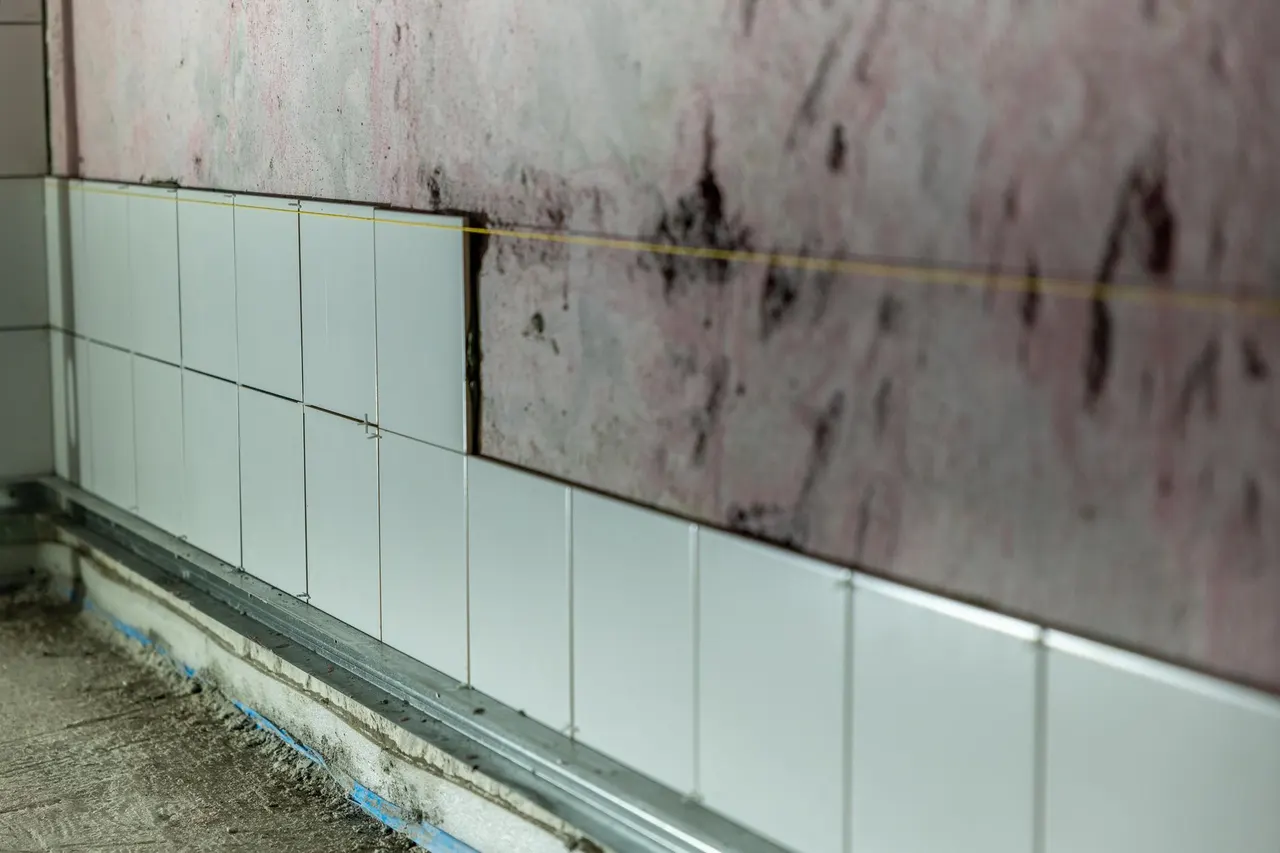
When black mold has moved off the sofa and into the wall or baseboard behind it, this is the next step. We contain the room, remove affected material and verify clearance before we close it up.
View service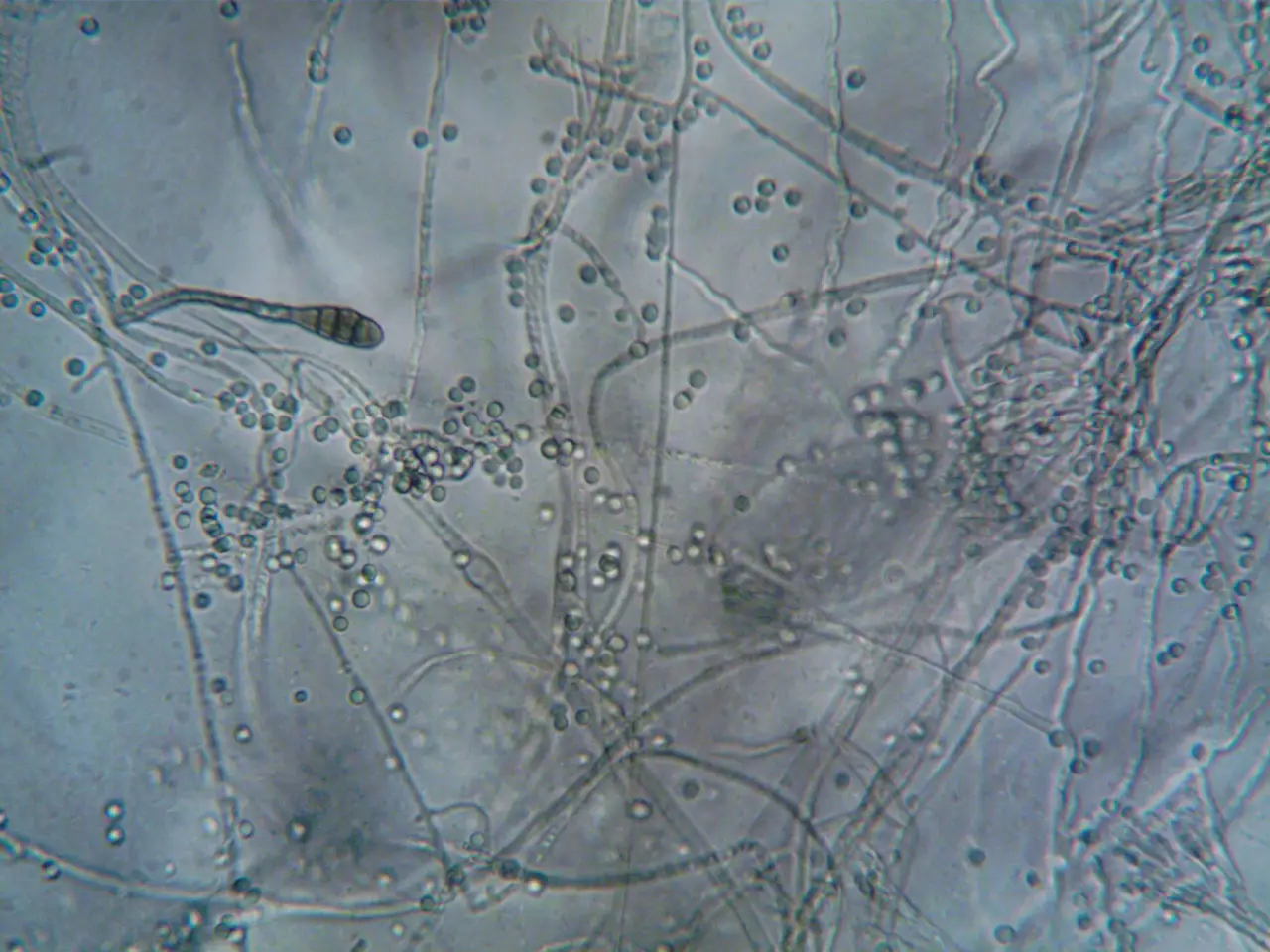
Not sure whether that dark patch is mold or a stain? We take surface and air samples, send them to a lab, and give you a written report with species identification before you spend money on cleaning.
View service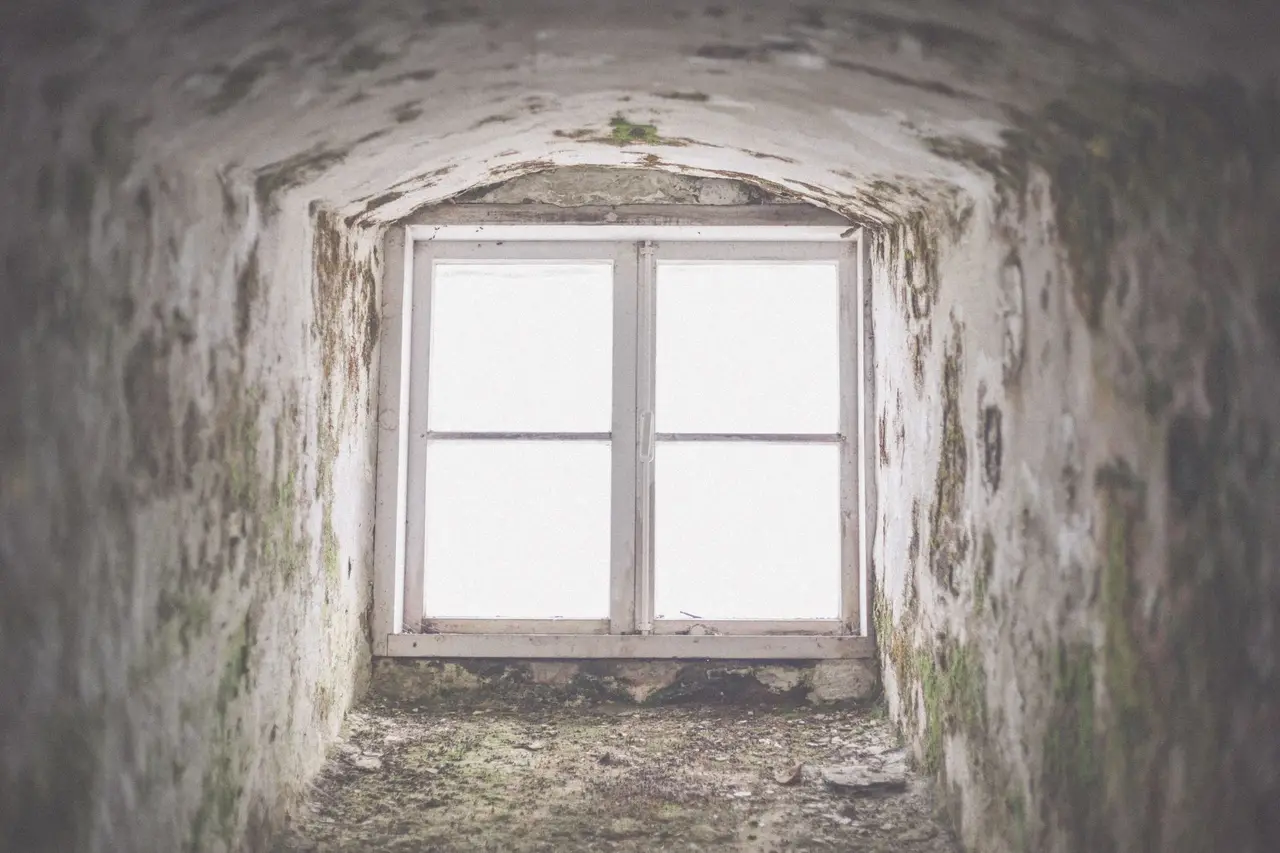
Our full-service cleanup covers porous and semi-porous materials throughout the home. If mold has spread from your upholstery to carpet, curtains or bedding, we handle the whole room in one visit.
View service
Water in your sofa at 2 a.m. from a burst pipe? We run 24/7 emergency calls across Fort Pierce. Fast extraction within the first 24 hours is the difference between cleaning a cushion and replacing a sectional.
View service
Call (772) 477-0320 any time, day or night. We answer live and dispatch same-day for mold inspections and emergency remediation across Fort Pierce. If you prefer email, send photos and your address to info@coveguardmoldsolutions.com and we will follow up within one business hour.