Focused arrival windows
Useful updates and clear arrival timing.
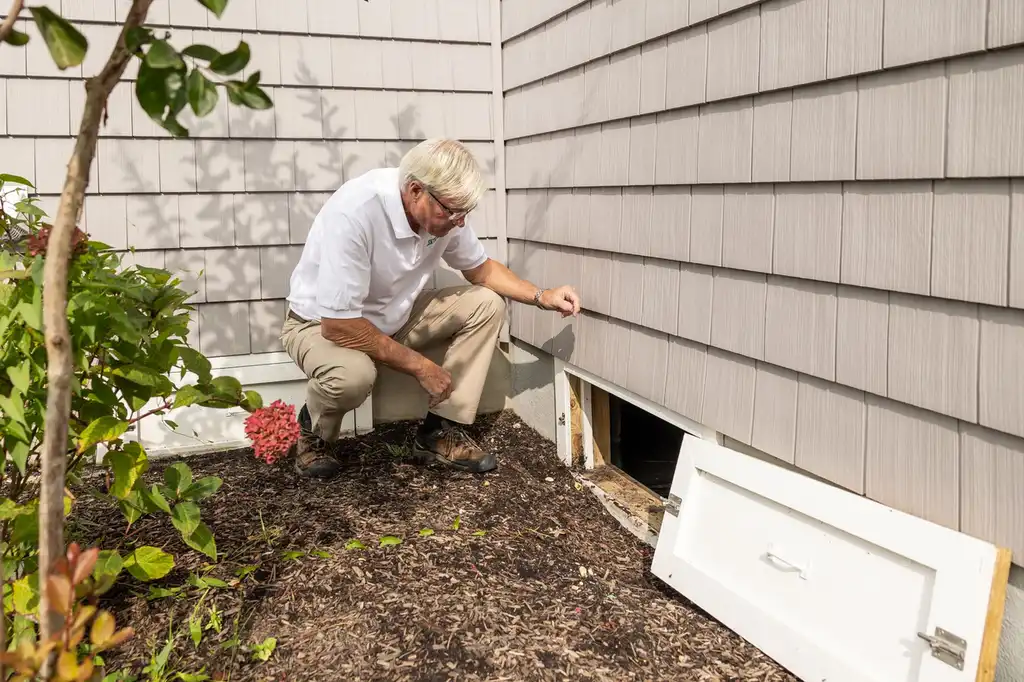
Water Damage Restoration Fort Pierce FL starts the moment you call (772) 477-0320. We pull standing water, dry the structure, and stop mold before it starts. Whether a burst supply line flooded your kitchen or storm surge pushed into your Hutchinson Island condo, our IICRC-trained crew handles water damage repair in Fort Pierce from the first wet-vac pass to the final moisture reading. We work directly with your insurance adjuster and document every step.
Useful updates and clear arrival timing.
Review the approach and price before deciding.
Equipped vehicles and respectful cleanup.
Neighbors serving neighbors with follow-through.
Every water damage restoration job includes emergency response, moisture mapping, extraction, structural drying, antimicrobial treatment, and insurance documentation. Add-ons like crawl space encapsulation, duct cleaning, or post-remediation clearance testing are quoted separately when the loss calls for them.
Truck-mounted extraction for standing water, plus smaller units for carpet, pad, and tight spaces. We start the same day you call, including nights and weekends, because every hour of standing water increases the damage.
We use moisture meters, thermal imaging cameras, and a boroscope inspection camera to find hidden water in walls and ceilings. Every reading and photo goes into a report your insurance adjuster can use.
Dri-Eaz and Phoenix Restoration dehumidifiers, air scrubbers with HEPA filters, and negative air machines run until your structure hits dry standard. We check readings daily and adjust equipment placement as needed.
After drying, we apply antimicrobial spray to affected framing, subfloor, and block walls. This is the step that stops mold from colonizing surfaces that were wet for days.
If mold is already growing, we handle containment, removal, HEPA vacuuming, and treatment under our Florida Mold-Related Services License. You do not have to hire a second contractor and restart the clock.
We photograph the loss, log moisture readings, and write a scope your adjuster can process. For water damage claims in Fort Pierce, that documentation is often the difference between approval and a denial.
Share what is happening and receive a clear next step from the local team.
Water Damage Restoration Fort Pierce FL is the process of extracting standing water, drying structural materials, and sanitizing a home or business so mold never gets a foothold. It is not a shop-vac job. We use moisture meters and thermal imaging cameras to map water you cannot see, then place dehumidifiers and air scrubbers to pull gallons of vapor out of drywall, subfloor, and framing. Every job follows IICRC S500 standards, and we log daily readings until your structure hits dry standard.
Fort Pierce sits between the Indian River Lagoon and the Atlantic, so humidity rarely drops below 70 percent. That means a slow leak under a sink in Lakewood Park can grow black mold behind the cabinets in 24 to 48 hours. We see it constantly: supply lines fail, water heaters rust out, and afternoon storms push water through sliding doors near the Marina District. If you search for water damage cleanup near me Fort Pierce after a storm, you want a crew that knows how fast this climate turns a wet wall into a moldy one.
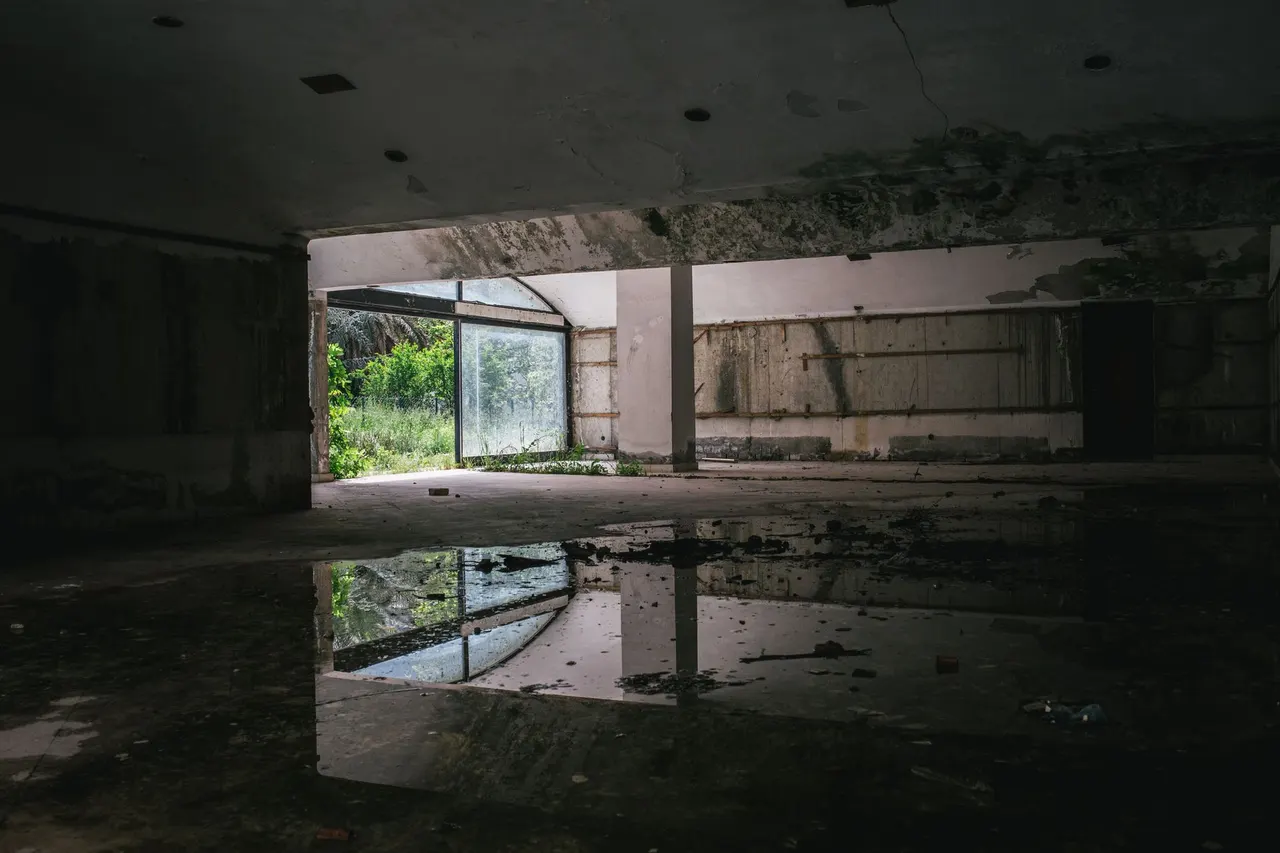
You call (772) 477-0320 and speak to a real person, not a call center. We ask what happened, how long the water has been sitting, and whether you have power. Within minutes you get an arrival window and instructions on shutting off the water main if you have not already.
We walk the property with a moisture meter and thermal imaging camera to find every wet pocket. A boroscope inspection camera goes into wall cavities where water hides. You get a written scope before we start, and we photograph everything for your insurance file.
Truck-mounted extractors pull standing water fast, then we switch to smaller units for carpet, pad, and tight corners. If the water is contaminated, we remove porous materials instead of trying to dry them. This stage usually takes two to four hours on a typical residential loss.
We set Dri-Eaz and Phoenix Restoration dehumidifiers plus air scrubbers with HEPA filters to pull moisture out of the air and structure. Equipment runs 24/7 and we check readings daily. Most Fort Pierce homes dry in three to five days depending on material and how long the water sat.
Once readings hit dry standard, we apply antimicrobial spray to affected framing and subfloor, then run a final moisture check. You get a completion report with photos and readings. If you want post-remediation verification, we can arrange clearance testing before anything gets closed back up.
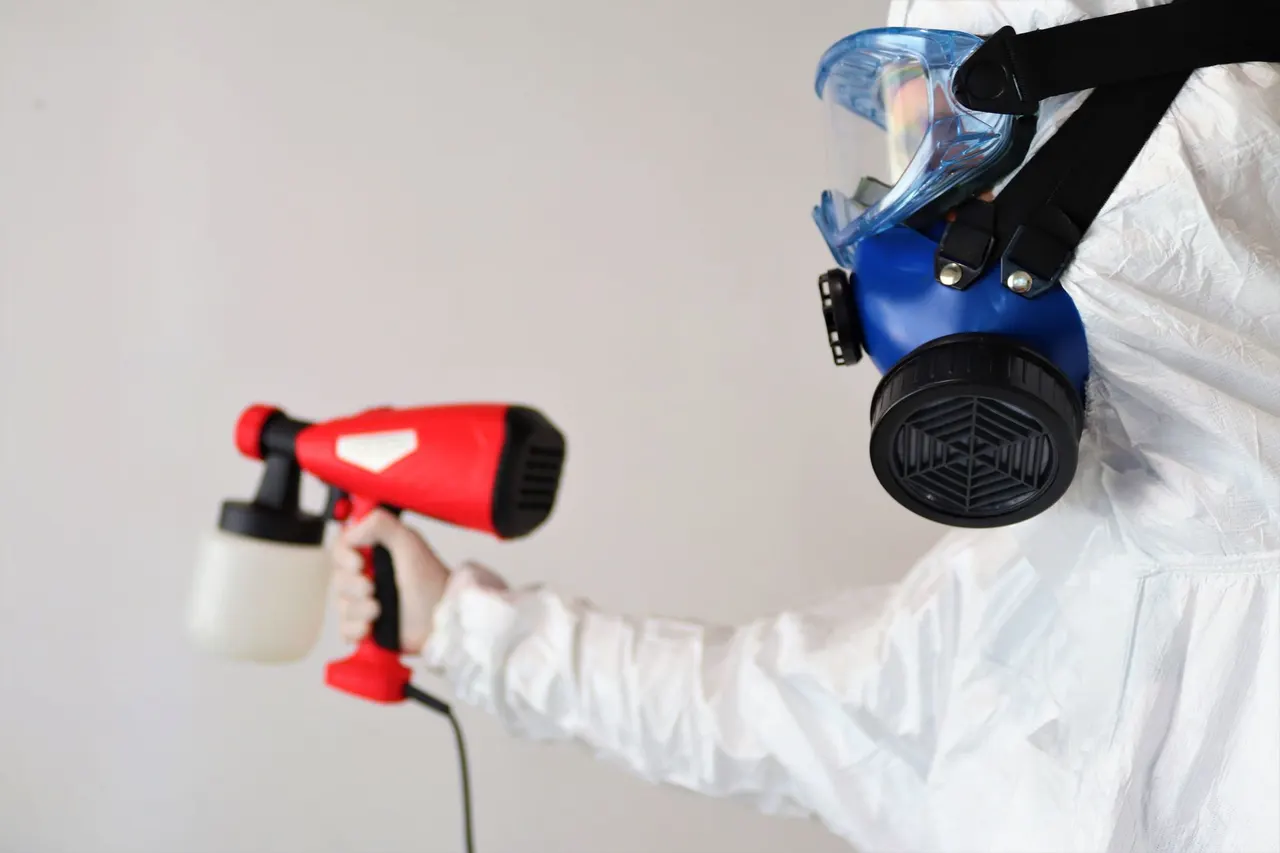
Pin and pinless meters read moisture content in drywall, wood, and concrete. We use them to map the wet area and to confirm when materials hit dry standard.
Infrared imaging shows temperature differences that reveal hidden water behind walls and under floors without opening everything up.
A small camera on a flexible probe lets us look inside wall cavities and under cabinets to confirm water and mold growth before we cut.
Commercial LGR dehumidifiers pull 3 to 5 times more moisture per day than box-store rentals, which is why our dry times stay in the three-to-five-day range.
HEPA filtration captures mold spores and fine particles stirred up during demolition and drying, keeping them out of the air you breathe.
Creates negative pressure in a contained work zone so spores and dust do not migrate into clean rooms during mold removal.
Applies antimicrobial treatment and odor counteractants in a fine mist that reaches surfaces and cavities a spray bottle cannot.
The S500 standard defines how we classify water, document moisture, and determine when a structure is dry. Following it keeps our work defensible with insurance carriers and consistent from job to job.
During mold removal we seal the work area with plastic sheeting and duct tape, then run a negative air machine. That keeps spores from spreading into the rest of your Fort Pierce home.
After removal, we HEPA vacuum all surfaces and apply antimicrobial spray to framing and subfloor. This is the step that stops regrowth on surfaces that were wet for days.
Before reconstruction, we can arrange independent clearance testing to confirm the space is dry and free of elevated spore counts. That report protects you and satisfies your insurer.

We extract standing water, open the affected walls, and dry the block and framing. Because the home predates 1978, we follow EPA Lead-Safe practices during demolition and disposal. The house dries in four days, no mold develops, and the owner has a documented claim for the insurance adjuster.
We pull the wet carpet and pad, extract the slab, and set dehumidifiers with HEPA filtration. Salt air and humidity mean we check readings twice a day instead of once. The unit is dry in three days and the musty odor is gone before the owner returns for the season.
We work after hours, contain the work zone, extract the water, and dry the kitchen and storage area. We document everything so the owner can file a business interruption claim. The kitchen passes a moisture check in four days and the restaurant reopens without a mold problem.
We inspect with a moisture meter and boroscope, remove mold growth from the joists, treat the wood, and install a vapor barrier to stop ground moisture. Humidity in the crawl space drops into a safe range and the musty smell in the living room disappears.
Fort Pierce water damage is shaped by two things: humidity and building age. Relative humidity here stays high most of the year, so a wet wall that would dry in a week in a drier climate can grow mold in 48 hours. We adjust drying times and equipment counts accordingly, and we check readings daily instead of every other day. The housing stock matters too. Block homes near Downtown Fort Pierce and Lincoln Park hold water in the block and release it slowly, while newer stucco construction out in Waterstone can trap moisture behind the cladding. Storm season runs June through November, and we see the most calls after tropical systems push water through sliding doors and garage thresholds. If you need flood and water damage restoration Fort Pierce FL after a storm, we prioritize active water intrusion first, then schedule drying. We also work directly with St. Lucie County adjusters, and we know what documentation they expect.
Older block and wood-frame homes with original plumbing. Slow supply-line leaks are common, and moisture hides in the block long after the surface feels dry.
Condo and elevated homes exposed to salt air and storm surge. Sliding door tracks and balcony drains are frequent entry points for water during nor'easters.
Mostly single-family homes on slab. Water heater failures and washing machine hose bursts are the calls we get most often here.
Crawl space construction and mature trees mean roof leaks and ground moisture. We see mold on joists more often here than in slab-on-grade neighborhoods.
A mix of older homes and rentals. Deferred maintenance means leaks often go unnoticed until the floor starts to buckle or the smell gives it away.
Materials stay wet longer, so we run dehumidifiers longer and check moisture readings daily. Mold can start in 24 to 48 hours instead of the 72 hours you might see in a drier climate.
Water pushes in through doors, windows, and garage thresholds. We prioritize active intrusion calls first, then schedule drying for the rest of the queue.
Crawl spaces and slabs stay damp even without a visible leak. We recommend vapor barriers and encapsulation to cut ground moisture before it reaches framing.
Galvanized and early copper lines fail more often in homes near Downtown Fort Pierce. We document the leak source so your adjuster can see it was sudden, not neglect.
A braided supply line failed under the kitchen sink overnight and flooded 400 square feet of tile and laminate flooring. Water wicked into the base cabinets and the bottom of the drywall. The homeowner found standing water at 6 a.m.
We extracted the standing water, removed the wet baseboards, and dried the cabinets and wall cavity in four days. Moisture readings matched the dry standard, and antimicrobial spray went on the framing before we closed it up.
Maintenance: Replace braided supply lines every five years and install a leak sensor under the sink. Check the cabinet floor for soft spots after any plumbing work.
A fall storm pushed water through a sliding door and soaked the carpet, pad, and two feet of drywall in a beachfront condo. The unit sat closed for a week before the owner arrived and found a musty smell.
We removed the carpet and pad, cut out the wet drywall, and dried the slab and framing in three days. HEPA filtration ran the whole time, and the musty odor was gone before the owner returned.
Maintenance: Keep sliding door tracks clear and check the balcony drain before storm season. Run the AC or a dehumidifier when the unit is vacant to keep humidity down.
Weeks of rain left a crawl space wet and the joists covered in white and black mold growth. The living room floor smelled musty and the homeowner was worried about air quality.
We removed the mold growth, HEPA vacuumed the joists, applied antimicrobial spray, and installed a vapor barrier. Crawl space humidity dropped into a safe range and the musty smell in the house disappeared.
Maintenance: Check the vapor barrier for tears once a year and keep gutters and downspouts clear so water drains away from the foundation.
Water damage in Fort Pierce rarely stays a water problem. High humidity turns a wet wall into a mold job fast. Here is what we run into most and how we handle it.
Water wicks up inside the wall cavity where you cannot see it. Within 48 hours, black mold growth starts on the paper facing of the drywall, and the musty odor spreads through the house. We use thermal imaging and a boroscope inspection camera to find the wet pocket, then open the wall, extract, and dry the cavity. Antimicrobial spray goes on the framing before anything gets closed back up.
Afternoon storms and tropical systems push water under sliding doors and around window frames. Carpet, pad, and the subfloor soak it up, and humidity keeps the slab wet for days. We remove saturated carpet and pad, extract the slab, and run dehumidifiers with HEPA filtration until readings hit dry standard. We also check the exterior drainage so the same entry point does not flood again.
A rusted tank can dump 40 to 50 gallons before anyone notices. Water spreads into adjacent rooms, wicks up drywall, and soaks stored belongings. We shut down the supply, extract standing water, and remove wet drywall to the flood line. Drying equipment runs until the framing and slab are dry, and we document everything for your claim.
Fort Pierce's high water table keeps crawl spaces damp year-round. Joists and insulation grow mold, and the musty smell rises into the living space through the floor. We remove mold growth, treat the joists, and install a vapor barrier or full encapsulation to cut ground moisture. That is the fix that keeps the problem from returning every rainy season.
$1,200 - $4,500 for most residential jobs; larger or contaminated losses quoted after inspection
Typical 2026 pricing for water damage restoration in Fort Pierce runs $1,200 to $4,500 for most residential jobs, with larger or contaminated losses going higher. The biggest cost drivers are how many rooms are affected, what materials got wet, and how long the water sat before we started. We give you a written scope before work begins, and when the loss is covered, we bill your insurance directly so you are not fronting the full amount. If you are comparing water damage repair Fort Pierce quotes, ask what drying equipment they plan to use and how they verify dry standard. That is where cheap quotes turn expensive.
The cost of drying a structure correctly is almost always less than the cost of remediating mold later. Our documentation also gives you the best shot at a full insurance payout, which is where the real savings are.
Clean water from a supply line is the cheapest to handle. Gray water from a washing machine or dishwasher, and black water from sewage or storm surge, require removal of porous materials and full antimicrobial treatment, which adds labor and disposal cost.
A single room might need two dehumidifiers and one air scrubber. A whole-house loss can need eight or more units running for a week. Equipment count and drying days are the two biggest line items on most invoices.
Tile and concrete dry fast. Carpet, pad, insulation, and engineered hardwood usually have to be removed and replaced. The more porous material in the affected area, the higher the removal and disposal cost.
Water that sat more than 48 hours usually means mold growth and more demolition. Calling the same day you find the water is the single biggest thing you can do to keep the cost down.
If mold is already growing, containment, removal, and clearance testing add to the scope. Handling it in the same job as the water damage is cheaper than a separate remediation project weeks later.
Most sudden water losses are covered, and you are responsible for your deductible. We document the loss so your adjuster can process the claim, and we can explain what is likely covered before you commit.
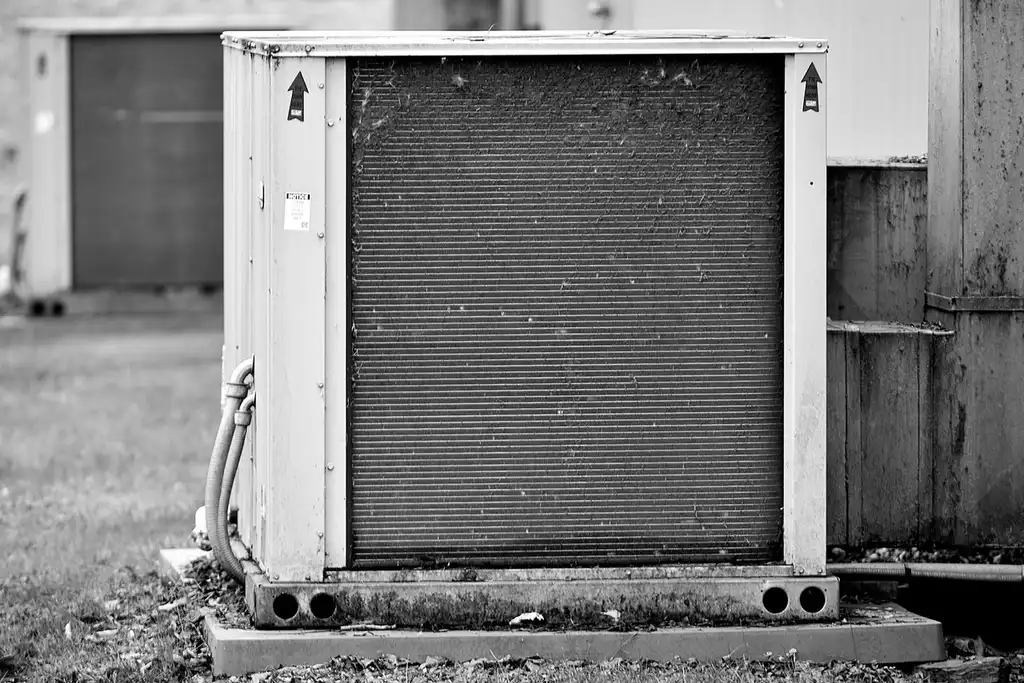
CoveGuard Mold Solutions is a Fort Pierce-based restoration and mold company, not a franchise dispatch. Our technicians hold IICRC Water Restoration Technician (WRT) and Applied Microbial Remediation Technician (AMRT) credentials, and we operate under a Florida Mold-Related Services License. We carry EPA Lead-Safe Certification for work in older homes and OSHA 10 for job-site safety. Because we handle both water damage and mold remediation under one roof, you are not stuck coordinating two contractors when a wet wall turns into a mold job. We know St. Lucie County building stock, from 1950s block homes near Downtown Fort Pierce to newer stucco construction out in Waterstone.
A supply line let go under our kitchen sink at 11 p.m. CoveGuard had a crew at the house in under an hour. They pulled the water, set dehumidifiers, and checked readings every day for four days. When they finished, the moisture meter matched the dry standard and the wall never grew mold. They also handled the insurance photos, which saved me a lot of arguing.
Storm water came through our sliding door during a nor'easter and soaked the carpet and part of the drywall. They removed the wet pad, dried the slab, and treated the wall. The musty smell was gone in two days. I appreciated that they explained what insurance would cover before I signed anything.
We had a water heater fail in a commercial unit and the tenant was back open in four days. CoveGuard worked after hours, kept the work zone contained, and gave us a clearance report for the owner. They know how to document a loss so the adjuster does not push back. We use them for every water loss now.
Most residential water damage restoration jobs in Fort Pierce run $1,200 to $4,500 in 2026, depending on how many rooms are affected and how long the water sat. A single-room toilet overflow might land near $1,200, while a whole-house supply line failure with contaminated water can push past $6,000. We give you a written scope before work starts, and we bill insurance directly when the loss is covered.
CoveGuard Mold Solutions handles water damage repair in Fort Pierce from our local base, with 24/7 emergency response across St. Lucie County. We cover extraction, structural drying, antimicrobial treatment, and mold remediation under one license. Call (772) 477-0320 and you will speak to a dispatcher who can give you an arrival window in minutes, not a callback queue.
Most sudden and accidental water damage is covered by Florida homeowners policies, including burst pipes, appliance failures, and storm-driven water intrusion. Long-term leaks and neglected maintenance are usually excluded. We document moisture readings, photos, and a written scope your adjuster can use, and we have worked enough St. Lucie County claims to know what carriers ask for.
A typical Fort Pierce water damage restoration takes three to five days from extraction to dry standard, with equipment running the whole time. Category 1 losses in a single room can finish in two to three days. Contaminated water or a flooded crawl space often runs five to seven days because we remove porous materials and treat framing before drying.
Not seeing your question? Our local team can help you understand urgency, scheduling and what to expect.
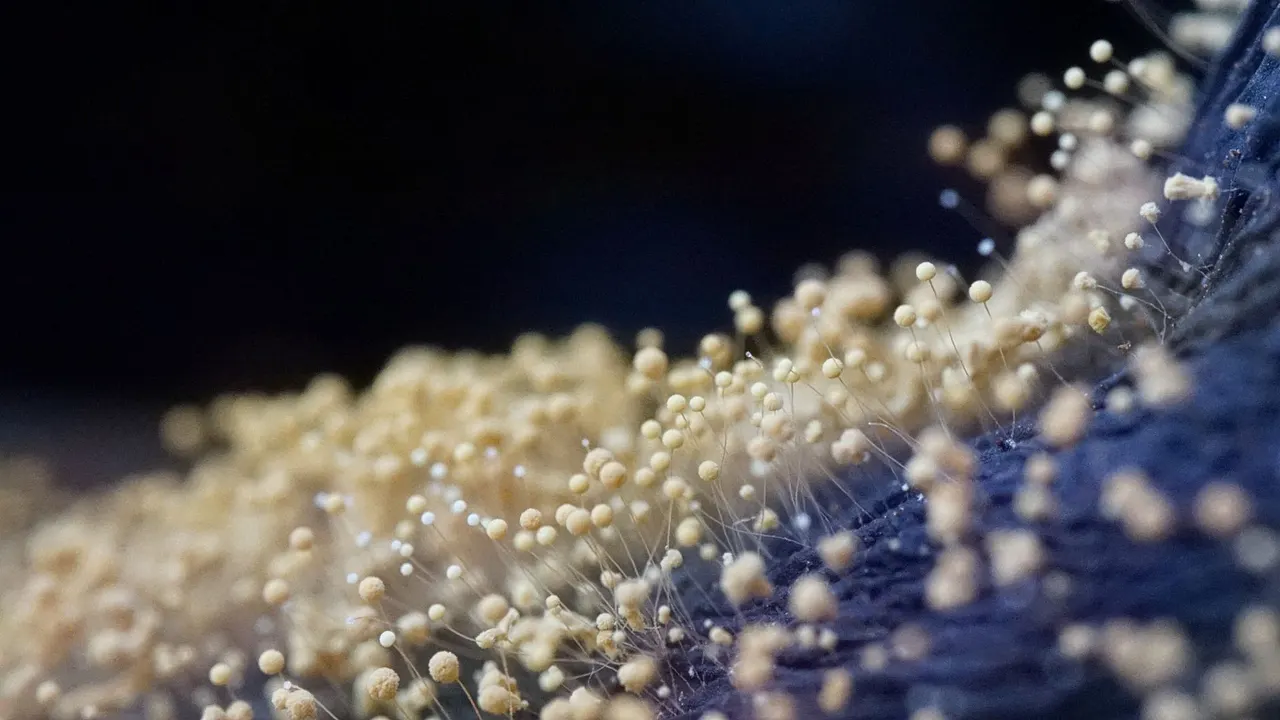
Ask the local teamWhen water sits more than 48 hours in Fort Pierce humidity, black mold growth follows. We contain the area, remove affected drywall, treat framing with antimicrobial spray, and verify clearance before reconstruction.
View service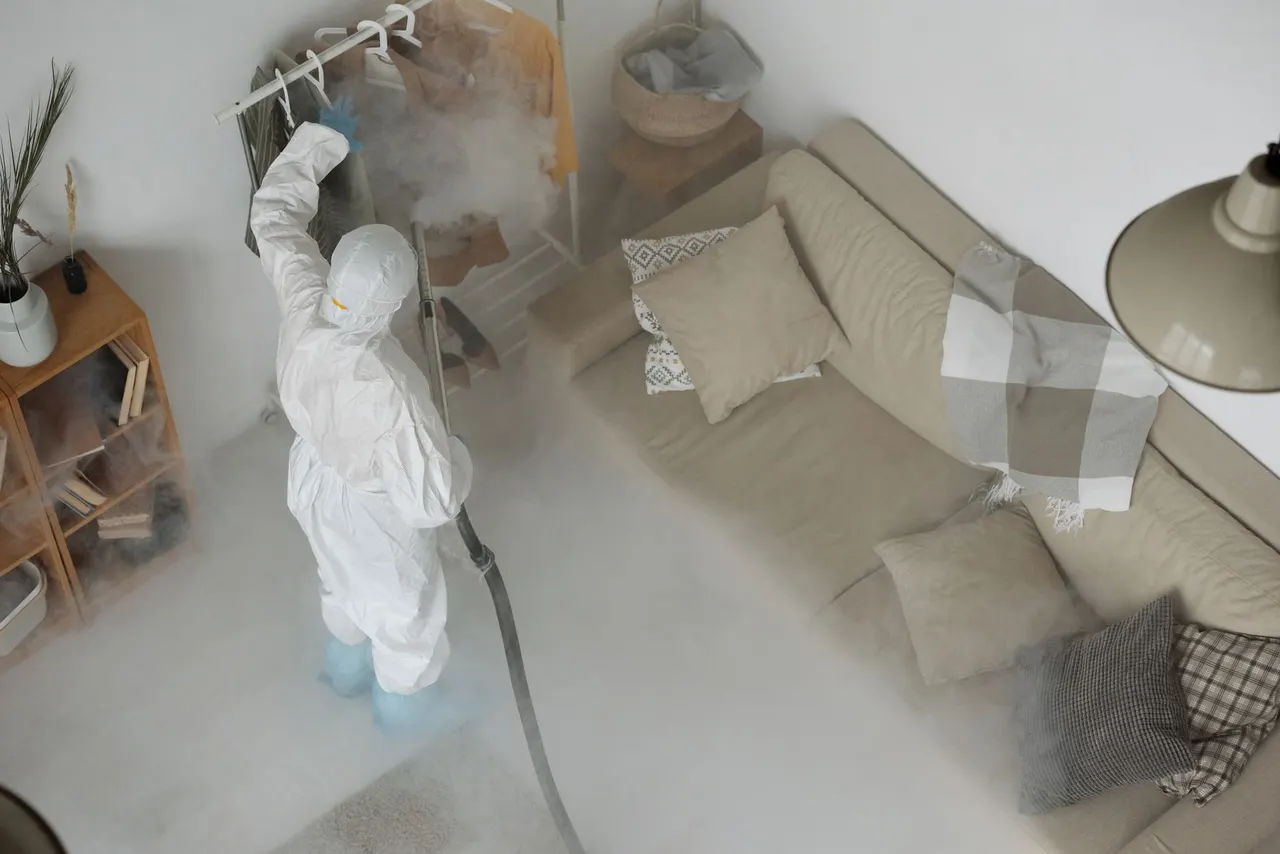
If you smell musty odors after a leak but cannot see growth, air and surface sampling tells us what is actually there. We use moisture meters and thermal imaging to find hidden mold behind drywall before it spreads.
View service
Full removal of mold-damaged drywall, insulation, and trim, followed by HEPA vacuuming and antimicrobial treatment. We bag and dispose of contaminated materials so spores do not travel through your Fort Pierce home.
View service
Storm surge or a failed water heater can leave mold growing within two days. Our emergency crews set containment and negative air machines fast to stop cross-contamination into clean rooms.
View service
Call (772) 477-0320 any time, day or night. We answer live and dispatch same-day for mold inspections and emergency remediation across Fort Pierce. If you prefer email, send photos and your address to info@coveguardmoldsolutions.com and we will follow up within one business hour.