Focused arrival windows
Useful updates and clear arrival timing.

When mold shows up in your Fort Pierce home, treating the surface is only half the job. Our Antimicrobial Treatment Fort Pierce FL kills active spores, neutralizes musty odors, and leaves a residual barrier that keeps growth from returning. We treat attics, crawl spaces, drywall, and HVAC systems across St. Lucie County. Same-day antimicrobial spray in Fort Pierce is available when you call before noon.
Useful updates and clear arrival timing.
Review the approach and price before deciding.
Equipped vehicles and respectful cleanup.
Neighbors serving neighbors with follow-through.
Every antimicrobial job includes inspection, containment, surface prep, application, and a final walkthrough. We tell you upfront what is covered and what would be a separate add-on, like encapsulation or duct cleaning, so there are no surprises on the invoice.
We use a moisture meter and thermal imaging camera to map wet areas before treatment. This tells us where mold is likely hiding and confirms the space is dry enough for the antimicrobial product to bond properly.
Plastic sheeting and duct tape seal the work zone. A negative air machine with HEPA filters keeps spores from spreading. We HEPA vacuum all surfaces to remove loose debris before applying any product.
We apply Concrobium, Benefect, or ShockWave with a fogger for enclosed spaces and an airless sprayer for framing and subfloor. The product kills spores on contact and leaves a residual barrier that keeps working for weeks.
If mold has reached the air handler or ducts, we isolate the system, clean the components, and apply antimicrobial treatment inside the ductwork. We replace HEPA filters before restarting the unit so you are not blowing spores back into the house.
You get a written record of what was treated, moisture readings before and after, and product used. We also flag any moisture issues that need attention, like a slow leak or a crawl space that needs a vapor barrier.
Share what is happening and receive a clear next step from the local team.
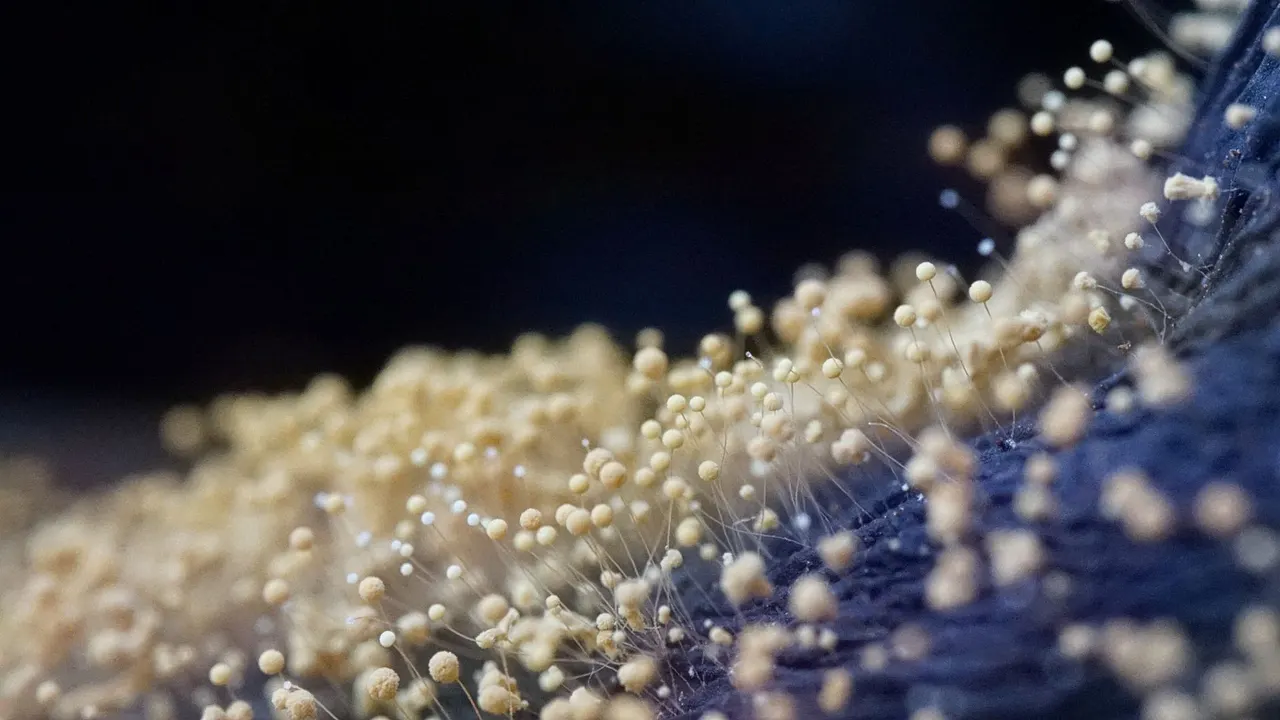
Antimicrobial Treatment Fort Pierce FL is a professional-grade disinfection process that kills mold spores, bacteria, and fungi on contact and leaves a residual barrier behind. We apply EPA-registered products like Concrobium and Benefect through foggers and airless sprayers, reaching the porous surfaces mold loves: drywall paper, wood framing, insulation, and HVAC coils. It is not a cover-up. The treatment penetrates where spores settle and stops them from colonizing again.
Fort Pierce sits in one of the wettest, most humid pockets of Florida. Summer humidity regularly tops 80 percent, and afternoon storms push moisture into attics and crawl spaces faster than most homeowners realize. If you have had water damage, a slow leak, or a musty smell you cannot place, mold antimicrobial treatment Fort Pierce Florida is the step that protects the work you have already paid for. We also handle disinfectant fogging Fort Pierce for whole-room and ductwork contamination.
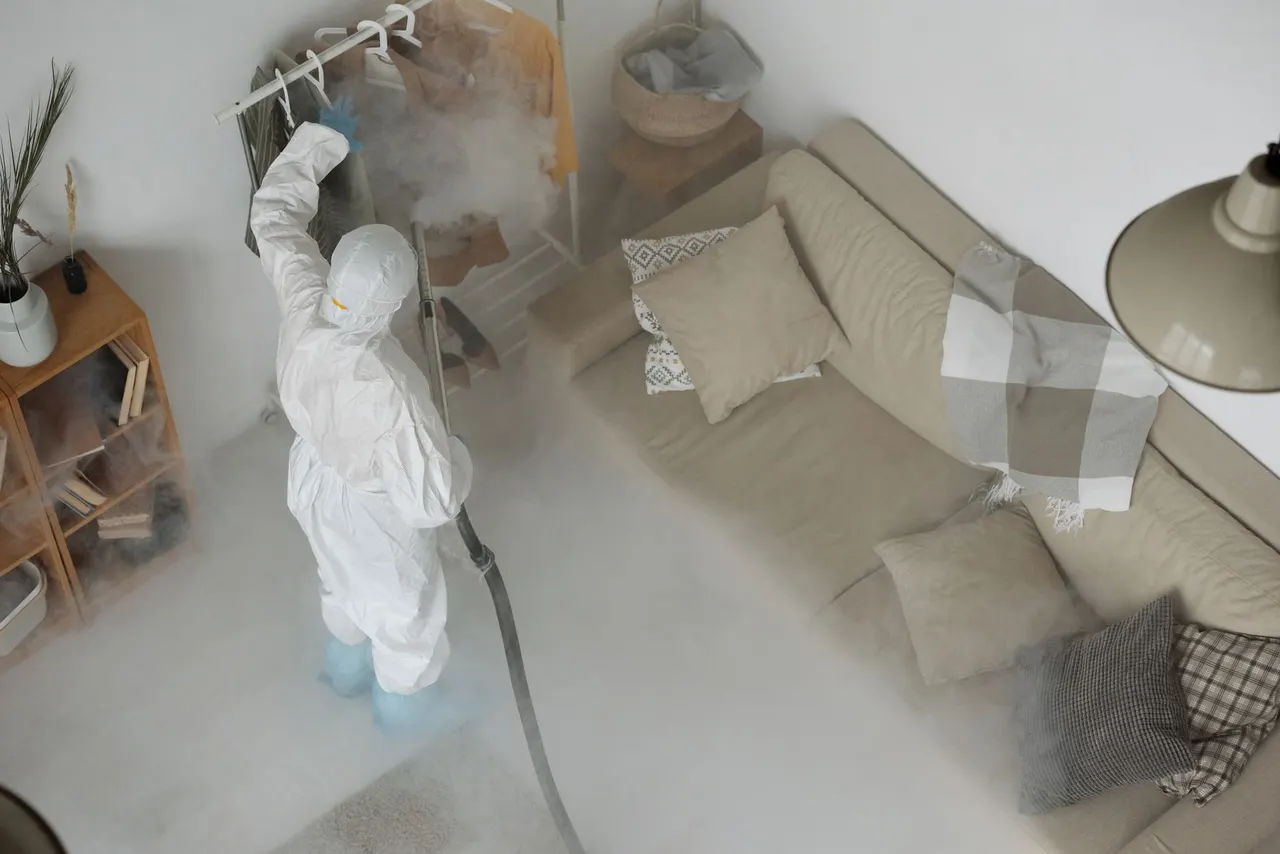
We start with a boroscope inspection camera and thermal imaging camera to map moisture and find hidden mold behind drywall, under flooring, and inside wall cavities. A moisture meter confirms readings. This walkthrough takes 30 to 45 minutes and tells us exactly where to focus treatment.
We seal the work area with plastic sheeting and duct tape, then set up a negative air machine with HEPA filters. This keeps spores from drifting into clean rooms while we work. For HVAC jobs, we isolate the air handler and seal supply registers before opening the plenum.
Loose debris, dust, and dead mold are removed with a HEPA vacuum. Porous materials that cannot be saved, like saturated drywall or insulation, get bagged and hauled out. Everything left gets wiped down so the antimicrobial product can reach the actual surface.
We apply antimicrobial spray using a fogger for enclosed spaces and an airless sprayer for framing, joists, and subfloor. Products like Concrobium, Benefect, or ShockWave are matched to the surface. A typical 1,000-square-foot attic or crawl space takes two to four hours to treat.
After the product dries, we run an air scrubber to clear remaining particles and take moisture readings to confirm the space is dry. You get a written summary of what was treated and what to watch. If you need clearance testing, we can schedule a third-party verification.
Finds temperature differences that reveal hidden moisture behind drywall, under flooring, and inside wall cavities before mold becomes visible.
Lets us look inside wall cavities and ductwork without cutting large holes, so we can confirm mold growth and target treatment precisely.
Disperses antimicrobial product as a fine mist that reaches into corners, crevices, and porous surfaces where a sprayer cannot.
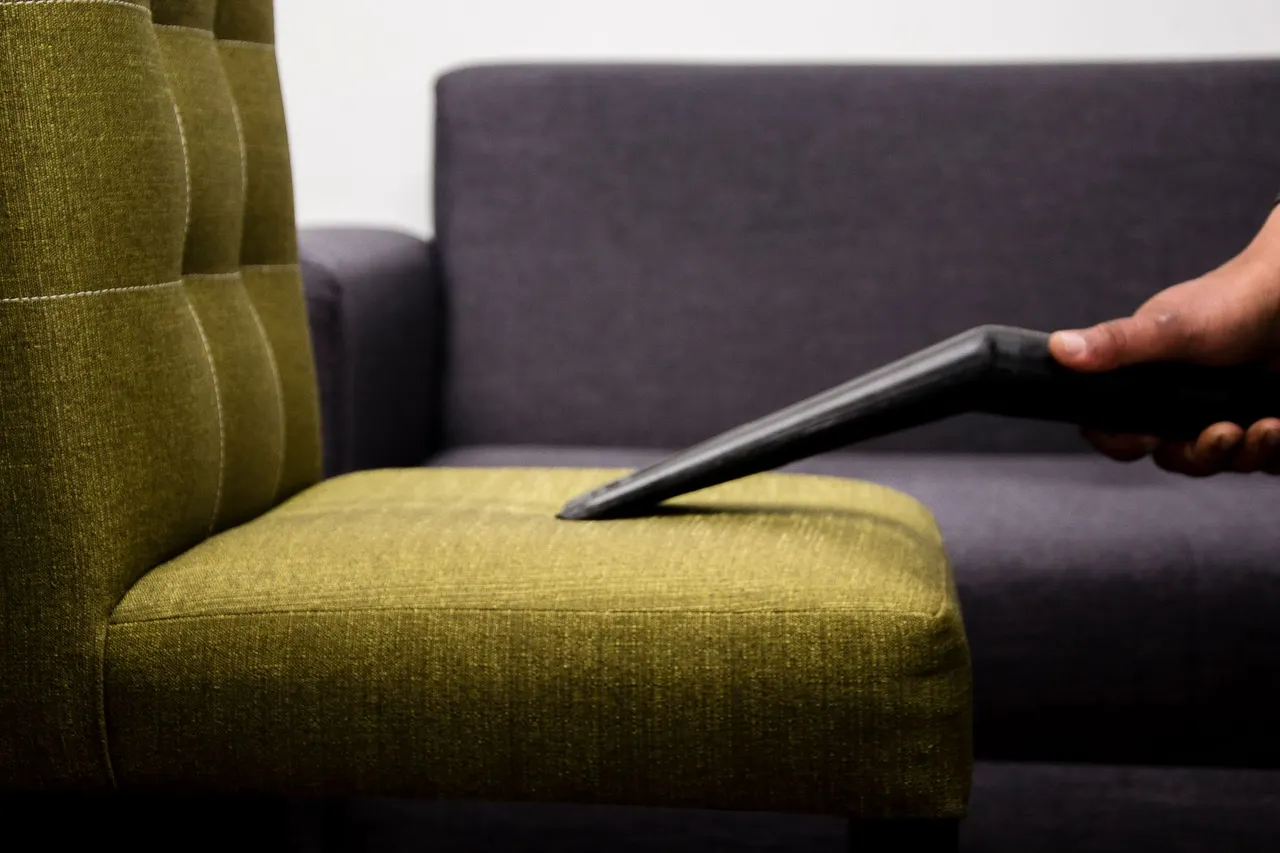
Captures loose spores and debris with HEPA filters before treatment, so the antimicrobial product bonds to a clean surface.
Creates negative pressure in the work zone so spores cannot drift into clean rooms while we remove and treat mold.
Pulls moisture out of the air and materials after treatment. Keeping humidity below 50 percent is what makes the antimicrobial barrier last.
The industry standard for mold remediation. It guides containment, removal, cleaning, and verification. We follow it on every job so the work is defensible for insurance and clearance testing.
We match the product to the surface: Concrobium for porous materials, Benefect for sensitive areas, ShockWave for heavy contamination. Each is applied at the labeled concentration and allowed to dry fully.
Plastic sheeting and duct tape seal the work zone. A negative air machine with HEPA filters keeps spores from spreading to clean areas while we work.
After the product dries, we take moisture readings and run an air scrubber. If you need third-party clearance testing, we can schedule it and provide the documentation.

We remove the wet insulation and any moldy sheathing, HEPA vacuum the framing, and apply antimicrobial spray to the trusses and decking. A moisture meter confirms the wood is dry before we close it up. Your attic is dry, treated, and documented. The musty smell is gone and the framing is protected against regrowth.
We inspect the unit, find mold on the walls and in the air handler, contain the area, remove affected drywall, and apply antimicrobial treatment to all surfaces. We also clean the ductwork and replace filters. The unit passes clearance testing and is ready to rent. You have documentation for the deposit and the insurance claim.
We pump out standing water, dry the space with dehumidifiers and air movers, remove moldy debris, and apply antimicrobial spray to the joists and subfloor. We then install a vapor barrier to block ground moisture. The crawl space is dry and treated. Humidity stays below 50 percent and mold does not return.
We use a boroscope inspection camera to check behind the shower wall and under the vanity. If we find growth, we remove it, treat with antimicrobial spray, and reseal the surfaces. The hidden mold is gone and the odor is neutralized. You avoid a much bigger repair down the road.
Fort Pierce is one of the most humid cities on Florida's Treasure Coast, and that shapes every antimicrobial job we run. Summer humidity sits above 80 percent for months, and afternoon thunderstorms push water into attics and crawl spaces faster than most homeowners can react. Older homes in Downtown Fort Pierce and Lincoln Park often have original wood framing and minimal vapor barriers, which means mold antimicrobial treatment Fort Pierce Florida has to reach deeper into the wood than it would in a newer build. Coastal properties on Hutchinson Island and South Beach deal with salt air and storm surge that keep crawl spaces damp year-round. We adjust our approach for each: more aggressive drying in riverfront homes, encapsulation for beachside crawl spaces, and HVAC treatment for any property with a central system. If you need same-day antimicrobial service in Fort Pierce, call before noon and we can often be on-site that afternoon.
Historic homes with original wood framing and pier-and-beam foundations. Moisture travels through the floor, so we treat subfloor and joists, not just the visible surface.
Beachside properties deal with salt air and storm surge. Crawl spaces stay damp, so we pair antimicrobial treatment with encapsulation and a dehumidifier.
Many homes here have attics that bake in summer and leak in storm season. We treat roof sheathing and trusses, then check for the source of the leak.
Newer construction with tighter envelopes can trap moisture if the AC is undersized. We check the air handler and ducts as part of every antimicrobial job.
Mold can start growing within 48 hours of a water event. We treat fast and set up dehumidifiers to hold indoor humidity below 50 percent, which is the level that stops regrowth.
Storm-driven rain finds its way into attics, windows, and crawl spaces. We prioritize post-storm calls and check the whole envelope, not just the visible mold.
Ground moisture rises into crawl spaces and subfloors. We apply antimicrobial treatment and recommend a vapor barrier or encapsulation to cut off the source.
A roof leak soaked the attic insulation in a Lakewood Park home. Mold covered the roof sheathing and trusses, and the attic smelled musty every time the AC kicked on.
We removed the wet insulation, HEPA vacuumed the framing, and applied antimicrobial spray to the sheathing and trusses. Moisture readings dropped from 28 percent to 12 percent. The smell was gone within 24 hours.
Maintenance: We recommended a dehumidifier set to 50 percent and a roof repair to stop the leak. A follow-up check at 30 days confirmed no regrowth.
Storm surge left standing water in a crawl space on Hutchinson Island South. Within a week, mold covered the joists and subfloor, and the house smelled damp from the ground up.
We pumped out the water, dried the space, removed moldy debris, and applied antimicrobial treatment to all wood surfaces. Then we installed a vapor barrier. Humidity dropped from 85 percent to 48 percent.
Maintenance: The vapor barrier and a small dehumidifier keep the space dry. We check it each spring before storm season starts.
A tenant left the AC off for a month in August. Mold grew on the air handler and inside the ductwork, spreading a musty smell through every room in the Downtown Fort Pierce unit.
We isolated the system, cleaned the coils and ducts, applied antimicrobial treatment, and replaced the HEPA filters. Air samples passed clearance testing on the first try, and the unit was ready to rent.
Maintenance: We set the thermostat to run the fan periodically and recommended a filter change every 60 days to keep air moving and dry.
Antimicrobial treatment is the fix for the mold you cannot see. These are the problems we hear about most from Fort Pierce homeowners and property managers.
A persistent musty smell means active mold is still releasing spores somewhere, even if you cannot see it. Ignoring it lets growth spread behind walls and into HVAC ducts. We trace the odor with a boroscope inspection camera and thermal imaging, find the source, and apply antimicrobial spray to the affected surfaces. Most customers notice the smell is gone within 24 hours of treatment.
Water trapped behind drywall feeds mold for months. By the time you see a stain, the back of the drywall and the framing behind it are usually covered in growth. We cut out the saturated drywall, treat the framing with antimicrobial spray, and install mold-resistant drywall. The repair is finished and ready for paint, and we document everything for your insurance claim.
Fort Pierce crawl spaces pull ground moisture up into the joists and subfloor. Without treatment, mold keeps returning no matter how many times you clean it. We remove existing growth, apply antimicrobial treatment to the wood, and install a vapor barrier or full encapsulation. That cuts the moisture source and makes the treatment last.
Mold growing on the air handler or inside ducts spreads spores into every room each time the AC runs. It is one of the fastest ways to recontaminate a clean home. We isolate the system, clean the coils and ductwork, apply antimicrobial treatment, and replace HEPA filters. You get a system that runs clean instead of blowing spores through the house.
$350 - $1,200 depending on scope
Typical 2026 pricing for antimicrobial treatment in Fort Pierce runs $350 to $1,200 depending on square footage and how many surfaces are affected. A single attic or crawl space usually lands between $500 and $800. Whole-home treatments with HVAC ductwork run higher. We give you a flat quote after the inspection, and there is no charge for that visit. If you are comparing antimicrobial spray cost Fort Pierce FL, ask each company what product they use and whether they document moisture readings before and after.
Antimicrobial treatment protects the mold removal work you have already paid for. Skip it and mold can return in weeks, costing you the whole job twice. The treatment is the cheapest insurance against a repeat problem.
A 500-square-foot crawl space takes far less product and time than a 2,000-square-foot attic plus ductwork. We measure the actual treated area, not the whole house, so you are not paying for space that does not need treatment.
Light surface mold on framing is a straightforward treatment. Heavy growth that has penetrated wood or drywall requires more prep, more product, and sometimes removal of materials before treatment can work.
Treating framing alone is one price. Adding subfloor, ductwork, and HVAC components increases labor and product. We list each surface in the quote so you can see where the cost comes from.
A crawl space with a tight hatch takes longer to set up containment than an open attic. Difficult access adds labor but not product cost, and we tell you that upfront.
Encapsulation, vapor barrier installation, and duct cleaning are separate from antimicrobial treatment. We quote them individually so you can decide what fits your budget and your moisture problem.
Our technicians hold IICRC Applied Microbial Remediation Technician (AMRT) and Water Restoration Technician (WRT) certifications, and we operate under a Florida Mold-Related Services License (MRSA). We carry EPA Lead-Safe Certification and OSHA 10 training, which matters in older Fort Pierce homes where lead paint and asbestos may be present. We follow IICRC S520 standards on every job, use calibrated moisture meters and thermal imaging cameras, and document each step for insurance and clearance testing.
We had mold in the attic after a roof leak. CoveGuard removed the damaged sheathing, treated everything with antimicrobial spray, and had the whole thing done in a day. The musty smell was gone by that night. They showed me moisture readings before and after so I knew it was actually dry.
I manage six rental units near the river and humidity is a constant fight. CoveGuard treated two apartments with antimicrobial spray after a tenant left the AC off for a month. They documented everything for the insurance claim and the units passed clearance testing on the first try.
Storm surge pushed water into our crawl space and mold showed up within a week. The crew encapsulated the space and applied antimicrobial treatment to the joists. They were on time, explained each step, and the price matched the quote exactly. No surprises.
Most antimicrobial treatments in Fort Pierce run $350 to $1,200 depending on square footage and how many surfaces are affected. A single attic or crawl space typically lands in the $500 to $800 range. Whole-home treatments with HVAC ductwork push higher. We give you a flat quote before we start, and there is no charge for the initial inspection.
It is a professional disinfection step that kills mold spores and bacteria on contact, then leaves a residual barrier that prevents regrowth. We use EPA-registered products like Concrobium and Benefect, applied with foggers and sprayers. It is not a substitute for removing active mold growth, but it is the step that keeps it from coming back.
CoveGuard Mold Solutions handles antimicrobial spray in Fort Pierce and across St. Lucie County, including Hutchinson Island, Lakewood Park, and White City. We are licensed, insured, and IICRC certified. Call (772) 477-0320 and we can usually schedule an inspection within 24 hours, often the same day.
A typical attic or crawl space takes two to four hours from setup to final walkthrough. Whole-home treatments with ductwork can run a full day. The product itself dries in one to two hours, but we recommend staying out of the treated area for four hours while it cures. You can be back to normal the same evening.
Not seeing your question? Our local team can help you understand urgency, scheduling and what to expect.
Ask the local team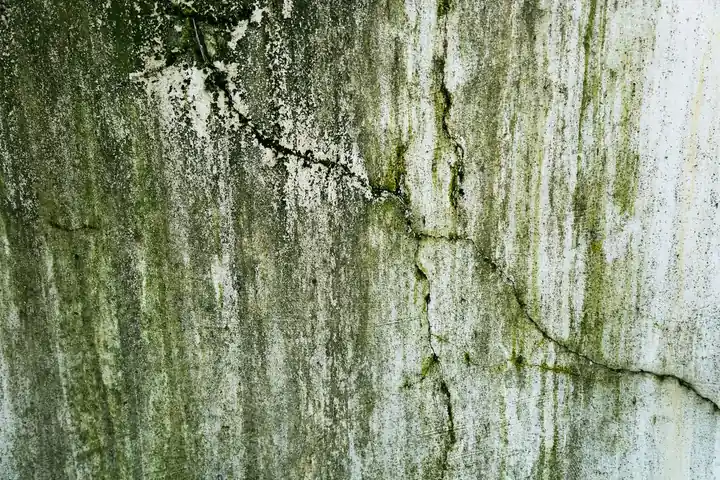
Antimicrobial treatment follows black mold remediation to kill any spores left behind after physical removal. We remove the growth, treat the surface, and verify the space is clean before we close it up.
View service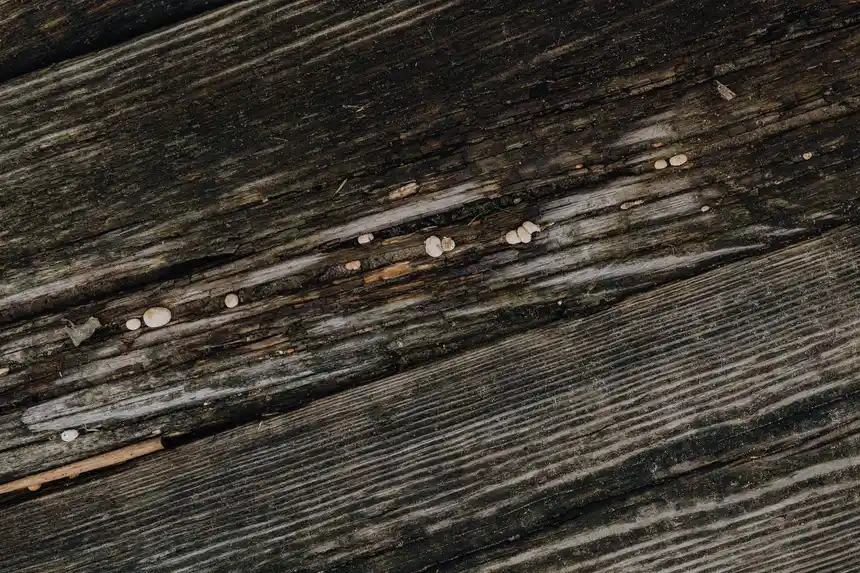
Before we treat anything, we inspect with thermal imaging and moisture meters to confirm what is growing and where. Testing tells us the species and severity, which shapes the antimicrobial product we choose.
View service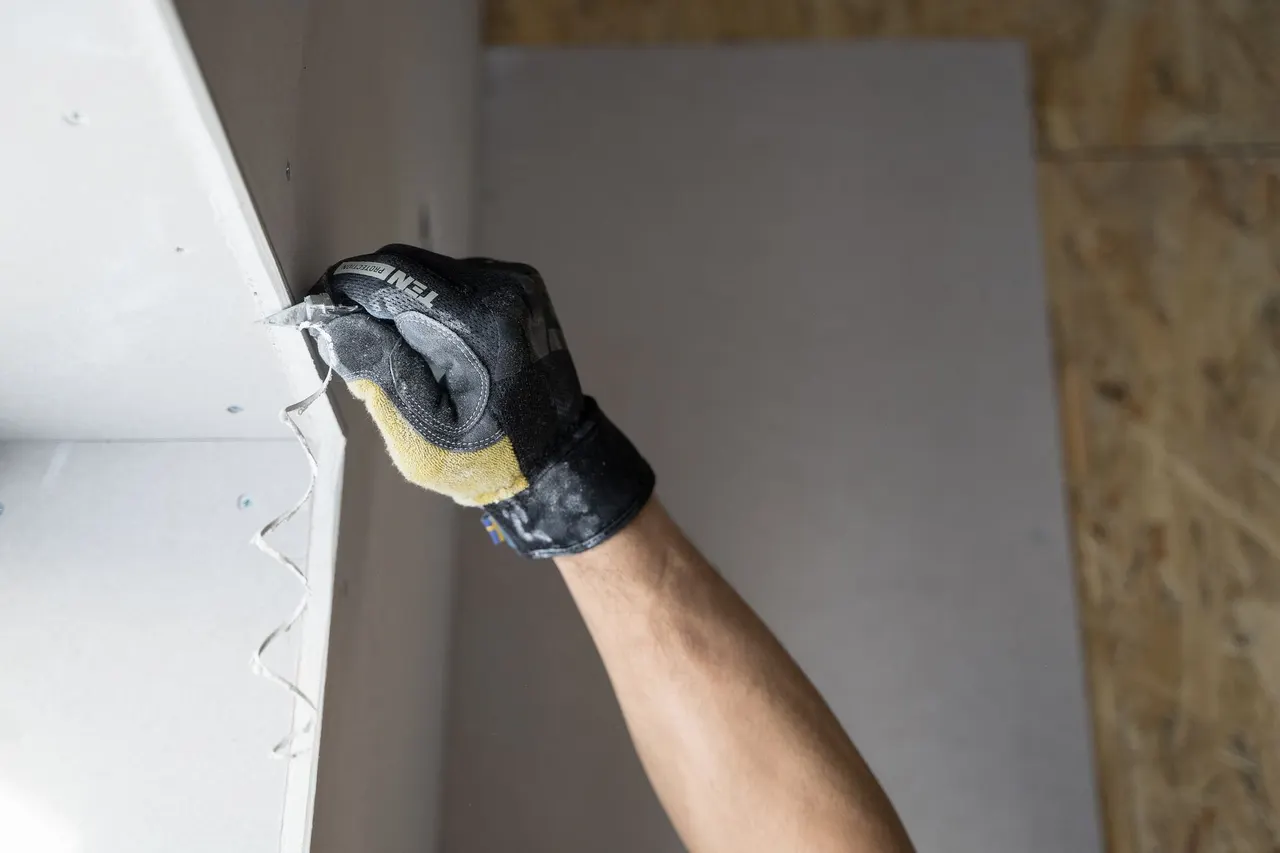
Physical removal comes first. We HEPA vacuum, bag contaminated materials, and wipe down surfaces. Antimicrobial treatment is the final step that protects the cleaned area from rebound growth.
View service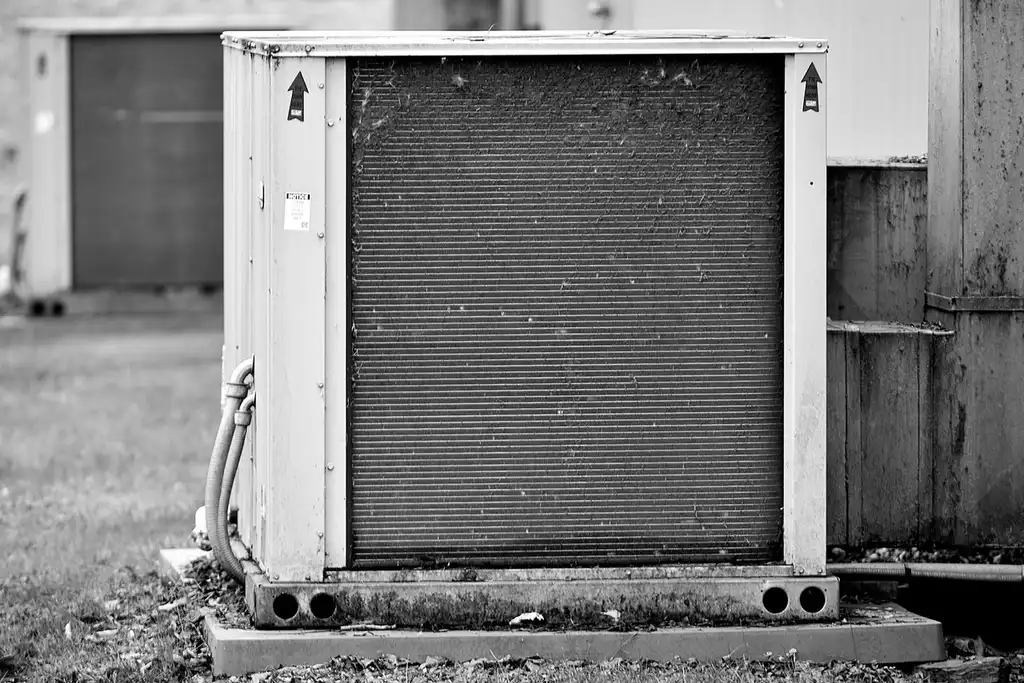
Storm flooding or a burst pipe can trigger mold within 48 hours. We respond fast, contain the area, remove damaged materials, and apply antimicrobial spray to stop the spread before it reaches the rest of your home.
View service
Call (772) 477-0320 any time, day or night. We answer live and dispatch same-day for mold inspections and emergency remediation across Fort Pierce. If you prefer email, send photos and your address to info@coveguardmoldsolutions.com and we will follow up within one business hour.